


### Blog Post:
Spray foam insulation cost is one of the most important considerations for homeowners who want a more energy-efficient, comfortable home. If you are researching how much spray foam insulation you’ll actually pay, and whether it’s ultimately worth the investment when compared to fiberglass, this guide will give you practical, no-nonsense answers backed by the latest building science.
Key Takeaways
- Real-world R-value retention of spray foam insulation is significantly higher than fiberglass, especially in attics and extreme temperatures.
- Upfront spray foam insulation cost is higher than fiberglass, but its performance, longevity, and air sealing capabilities can deliver long-term benefits.
- There are gaps in published 2024 cost data, regional price variations, and few public case studies—so homeowners should request multiple quotes and assess extra value beyond lab numbers.
- What Is Spray Foam Insulation Cost and Why Does It Matter?
- How to Approach Spray Foam Insulation Installation Cost: Step-by-Step
- Advanced Analysis & Common Pitfalls of Spray Foam Insulation Cost
- Conclusion
- FAQ
What Is Spray Foam Insulation Cost and Why Does It Matter?
Spray foam insulation cost reflects the upfront investment to upgrade your attic, walls, or crawlspace with a product that does far more than traditional fiberglass batts. While upfront pricing for closed-cell and open-cell spray foam varies—and regional 2024 data remains inconsistent—the true value often comes from real-world performance, not just square foot estimates.
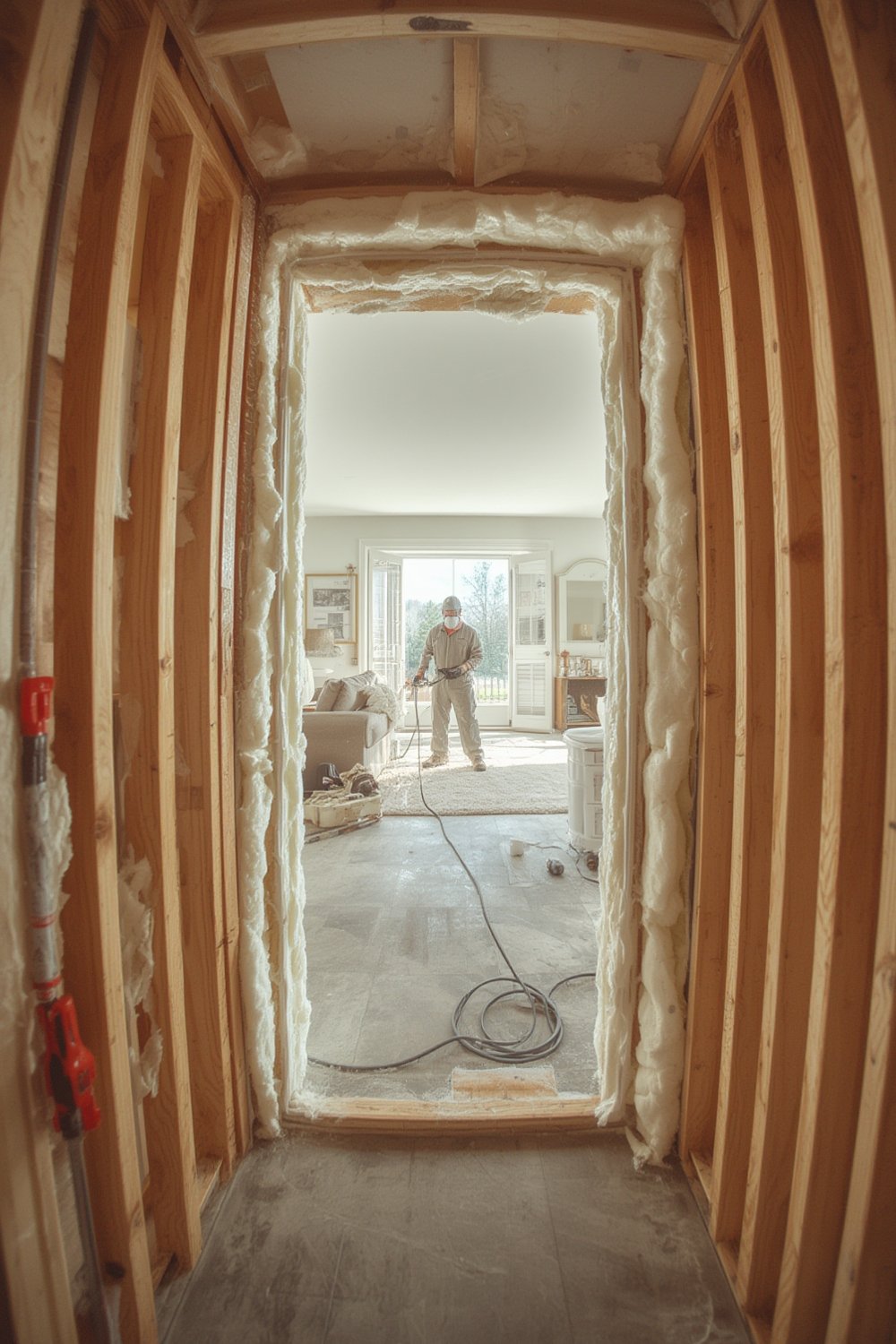
Unlike fiberglass, which loses much of its laboratory-rated R-value in attic or exterior wall installations (especially in cold or humid climates), spray foam forms an air- and vapor-tight envelope. Studies by Oak Ridge National Laboratories show closed-cell spray foam retains 74 to 83 percent of its R-value at low temperatures, while fiberglass may drop to just 46 percent. In hot attics, that gap often remains: closed-cell spray foam can hold 61 to 67 percent compared to 51 percent for fiberglass batts.[1] This means a well-done spray foam job will almost always outperform batts under real conditions—especially in windy, wet, or extreme climates.
Understanding the true cost and benefit means thinking beyond line-item prices to focus on energy savings, comfort, moisture protection, and the long-term performance of your building envelope. This is especially relevant if you plan other upgrades, like an energy efficient HVAC system or solar panels, where insulation quality directly affects your returns.
How to Approach Spray Foam Insulation Installation Cost: Step-by-Step
A smart approach to controlling spray foam insulation cost is breaking the project into clear, manageable steps:
- Audit Existing Insulation and Air Sealing: Before pricing anything, have a professional energy audit or DIY assessment to locate obvious air leaks and measure your current insulation depth. This helps determine how much spray foam you’ll need—and whether full removal is required.
- Determine Closed-Cell vs. Open-Cell Needs: Closed-cell foam has higher R-value per inch (R-5 to R-7), doubles as a vapor barrier, and resists moisture—ideal for basements or exterior walls. Open-cell is more affordable but less dense; suited for interior spaces not exposed to water.
- Get 2-3 Local Quotes: Because material and labor rates vary, contact at least two certified spray foam installers in your region. Specify whether you need partial or full coverage and ask for line items: material cost per square foot, thickness, estimated labor, and disposal (if applicable).
- Verify Installer Credentials: Spray foam application is technical. Insist on installers with SPFA (Spray Polyurethane Foam Alliance) certification or demonstrated track-records. Poor application can cause odor, off-gassing, or under-performance.
- Request Job-Specific Proposals: Demand transparency: Are they using closed-cell or open-cell? What R-value are they delivering, and at what thickness? Is any portion of existing insulation left in place? Ask if manufacturer warranties or installation guarantees are included.
- Calculate Long-Term Energy Impact: While long-term case studies are sparse, expect that spray foam—especially in attics and rim joists—will outperform batts. Assume energy bills will drop, but be cautious about ROI claims; run your numbers conservatively.
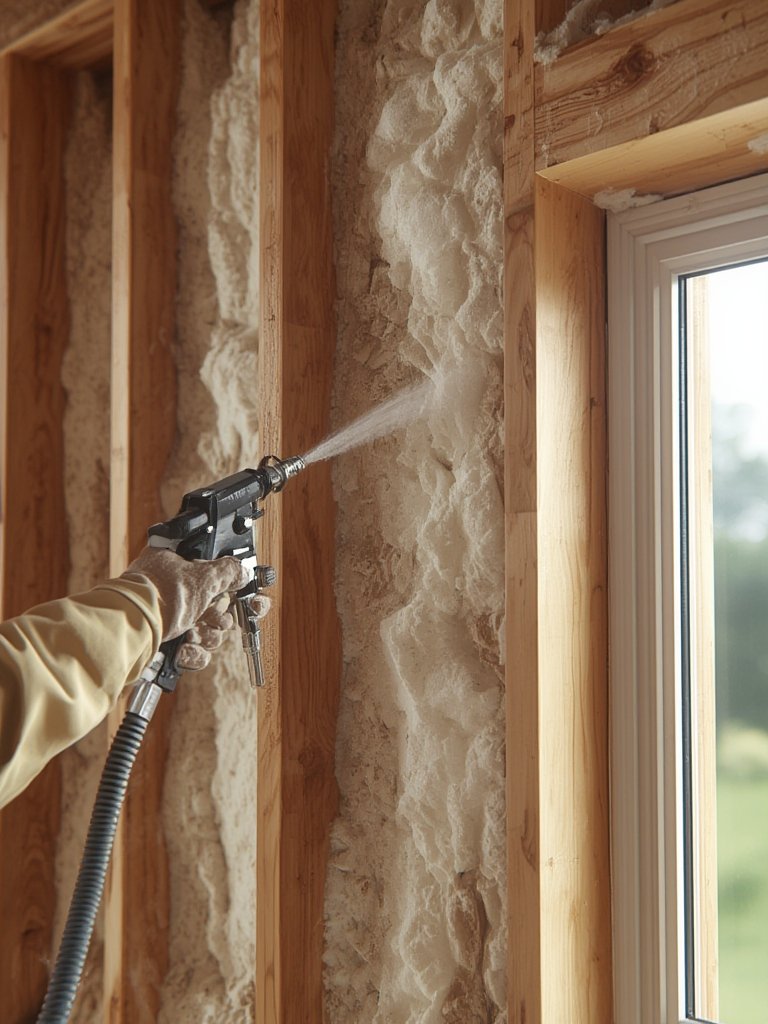
For larger exterior renovations, consider if pairing spray foam with other upgrades (such as a bathroom renovation or garage conversion ADU) allows you to leverage contractor availability and maximize energy savings across multiple spaces.
If DIY is tempting, remember: spray foam requires specialized gear, respiratory protection, and expert surface prep. Poor technique can quickly ruin air quality or structural integrity, making it a job best left to experienced professionals—just like you’d want with a composite decking installation or serious home improvement upgrade.
Advanced Analysis & Common Pitfalls of Spray Foam Insulation Cost
Choosing spray foam only for its R-value rating can lead to disappointment if you overlook real-world variables. From research and field data, here are practical pitfalls and technical details to weigh:
Real-World R-Value Retention
Closed-cell spray foam’s laboratory R-value (R-5 to R-7 per inch) isn’t just a marketing claim. In attics under extreme hot or cold, it realistically retains 74 to 83 percent of rated value, while fiberglass can retain as little as 46 percent—significantly reducing true effectiveness.[1]
Comparison Table: Spray Foam vs. Fiberglass Performance
| Performance Factor | Spray Foam (Closed-Cell) | Fiberglass Batts |
|---|---|---|
| R-Value per Inch (Lab) | R-5 to R-7 | R-2.9 to R-3.8 |
| Real-World R-Value Retention (Cold Attic) | 74-83% | 46% |
| Air Sealing | Excellent (Airtight barrier) | Poor (leaks/gaps common) |
| Moisture Resistance | High (acts as vapor barrier) | Low (loses R-value when wet) |
| Longevity | 20-30+ years, retains shape/performance | Settles, compresses, loses effectiveness |
| DIY Feasibility | Professional required | Plausible for DIY |
Common Pitfalls to Avoid
- Incomplete air sealing: If not installed as a fully continuous envelope, gaps or thin spots allow thermal bypass—negating spray foam’s main advantage.
- Underestimating Ventilation Needs: Tight envelopes may require extra attic, crawlspace, or whole-home ventilation to control indoor air quality.
- Assuming ROI Without Verifying: Many sources promote huge savings, but payback depends on climate, energy rates, home age, and your actual heating/cooling use. Conservative math is best.
- Ignoring Building Code Changes: Stay updated with local codes and insulation standards—these influence minimum R-value requirements and safe installation practices, though few sweeping 2024 changes are recorded.
- Trusting Lab-Only R-Values: Focus on effective R-value after installation, accounting for real-world performance and potential installation errors.
For context, there is remarkably little homeowner-reported dissatisfaction with spray foam insulation regarding cost or installation in published sources. Some skepticism about whether all installers truly deliver optimal results remains.[2]
Conclusion
When weighing spray foam insulation cost against fiberglass or alternatives, focus on proven real-world R-value retention, air sealing prowess, and moisture resistance. Although exact 2024 cost numbers by state or region are elusive, getting local quotes and prioritizing top-tier installation quality will safeguard your investment.
If you care about maximizing your home’s energy efficiency or are upgrading alongside other projects like cold plunge pool installation or garage conversion ADU, spray foam helps future-proof your property. Get your quotes, compare line items, and use the insights from this guide to make your next move. For detailed cost breakdowns, ask your contractors to specify each layer. A careful approach makes the most of any spray foam insulation cost.
Ready to cut utility bills and enjoy a safer, warmer home? Connect with certified pros in your area and get personalized estimates—then take the leap!
FAQ
What is the main difference between open-cell and closed-cell spray foam insulation?
Closed-cell spray foam is denser, acts as a vapor barrier, and provides a higher R-value per inch—making it more suitable for moisture-prone areas like basements and exterior walls. Open-cell is less expensive and works well for interior spaces, but it’s less effective as a moisture barrier.
Can I install spray foam insulation myself?
Spray foam installation requires specialized skills and protective gear. Poor application can cause persistent odors, air quality issues, or building code violations. It’s strongly recommended to hire certified professionals for safety and performance.
How long does spray foam insulation last?
When installed correctly, spray foam insulation typically lasts 20-30 years or more, retaining its shape, density, and R-value better than fiberglass, which may compress or settle over time.
Does spray foam insulation cause any health issues?
Once cured and properly installed, spray foam is generally safe. The main risks occur during installation from off-gassing and airborne particulates, which is why only trained professionals with ventilation and masks should do the work.
Will spray foam insulation reduce my utility bills?
Spray foam insulation delivers superior energy efficiency compared to fiberglass, often resulting in lower heating and cooling costs. The exact savings depend on climate, home size, and the quality of installation.
—
