


### Blog Post:
heat pump water heater installation is quickly becoming a top choice for homeowners seeking real energy savings, improved home efficiency, and long-term cost reductions. If you’re weighing your water heating options or considering a replacement, understanding how heat pump water heater installation stacks up compared to tankless systems—and being clear about the real pain points—is critical for a smooth project and lasting results.
Key Takeaways
- Heat pump water heater installation can cut electricity use by up to 60% compared to traditional heaters, leading to serious long-term savings.
- These systems require adequate space, ventilation, and professional installation—details that often catch DIYers off-guard.
- Upfront costs can be higher than standard models, but long-term operational expenses are significantly less, and incentives may be available.
- What is Heat Pump Water Heater Installation and Why Consider It?
- Step-by-Step Guide: Efficient Heat Pump Water Heater Installation
- Advanced Analysis & Common Pitfalls
- Conclusion: Make Your Installation Count
- FAQ: Heat Pump Water Heater Installation
What is Heat Pump Water Heater Installation and Why Consider It?
A heat pump water heater uses ambient air to heat your water tank, working much like a refrigerator in reverse. Unlike a traditional electric water heater, which generates heat directly, a heat pump system moves existing heat from the air into your water, consuming far less electricity.
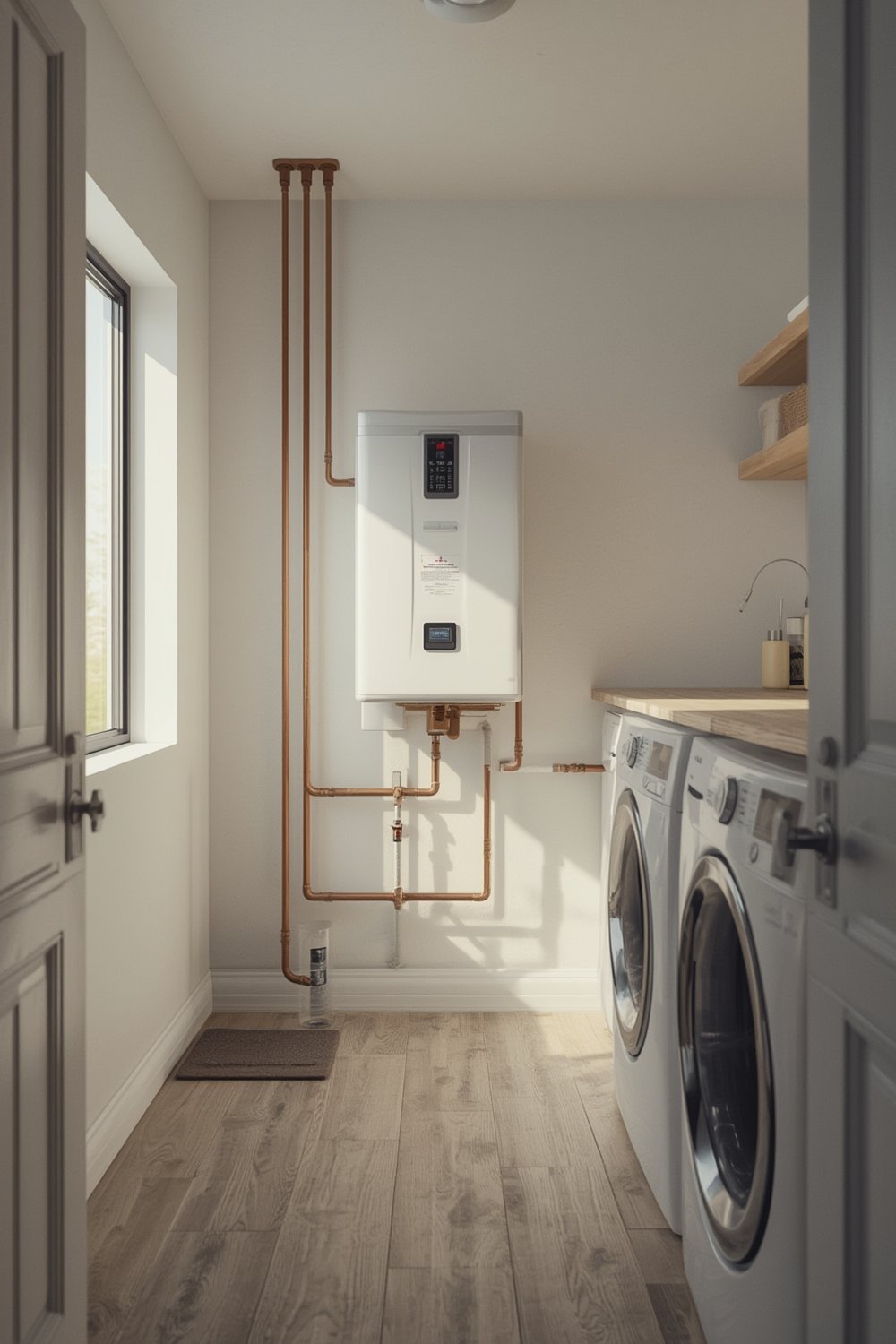
This technology can deliver up to 60% electricity savings over conventional models and is often 2 to 4 times more efficient than classic water heaters (see detailed comparison at Rheem’s expert analysis). The significant reduction in household energy use means lower utility bills and a smaller carbon footprint—important considerations for eco-conscious and budget-minded homeowners.
Installation complexity is higher than with traditional tanks or even many tankless units. Heat pump systems demand sufficient space, reliable airflow, and often a professional touch for proper setup and venting. Still, with careful planning, the benefits can far outweigh the complications.
Thinking of a bigger home upgrade? Check out how HVAC upgrades can further boost energy savings in tandem with a new water heater.
Step-by-Step Guide: Efficient Heat Pump Water Heater Installation
Proper installation is vital to getting the efficiency and longevity you want. Here’s how a typical project unfolds:
- Assess your space. Heat pump water heaters need a location with plenty of air volume (generally at least 750 cubic feet), steady ambient temperatures (ideally 40–90°F), and clearance for ventilation. Garages, basements, or mechanical rooms are common choices.
- Choose a right-sized unit. Match the heater’s capacity (usually in gallons) to your household’s peak usage. Oversizing wastes money, while undersizing means running out of hot water.
- Shut off power and water. Safety first: disconnect the electrical supply (at the panel) and switch off the cold-water inlet.
- Remove old water heater. Drain and disconnect the existing unit, ensuring you have disposal arranged.
- Prep new location. Adjust the area for drain pan with overflow installation, proper venting, and strong, level floor support.
- Position and level the heat pump water heater. Ensure clearance from walls for maintenance and sufficient space for airflow.
- Plumb water lines and install a condensate line. Many installers run high-efficiency PVC pipe for this step.
- Connect electric service. Confirm voltage and circuit requirements; many models require a dedicated breaker.
- Power on and program controls. Set water temperature (typically 120–130°F) and test operation.
- Check for leaks and verify system air intake/exhaust.
For more hands-off projects or major appliance upgrades, see our smart home installation guide for tips on working with certified professionals.
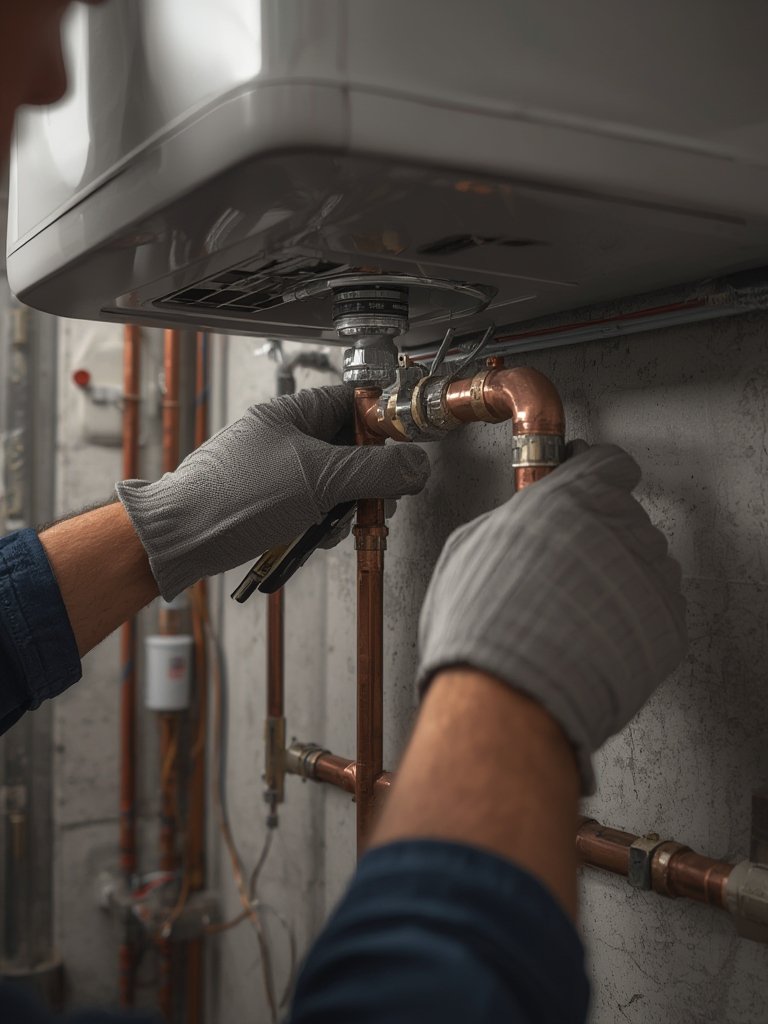
During installation, attention to detail is key. Neglecting airflow, skipping condensation drainage, or using undersized wiring are the top causes of poor performance and long-term headaches. Always follow the manufacturer’s instructions, and don’t be afraid to hire a specialist for electrical or plumbing connections.
Looking for other ways to transform your home? Discover how an outdoor kitchen installation can complement efficient indoor upgrades.
Advanced Analysis & Common Pitfalls
Even the most efficient water heater can disappoint if installed or selected poorly. Here’s a realistic look at where things go wrong and how to avoid buyer’s remorse:
| Factor | Heat Pump Water Heater | Tankless Water Heater |
|---|---|---|
| Installation Complexity | Requires space, ventilation, and professional expertise (source) | Usually requires less space, may need gas/electric upgrades (source) |
| Upfront Cost | Less expensive than tankless (source) | $1,400–$3,900, typically higher than heat pump models (source) |
| Annual Energy Use | Up to 60% saving over conventional heaters (source) | 30-40% saving over traditional tanks (source) |
| Lifespan | 10–15 years, shorter than tankless (source) | 20+ years with proper maintenance (source) |
Common Complaints and Real Pitfalls:
- Ambient Temperature Sensitivity: Heat pump water heaters perform best in environments kept between 40 and 90°F. Efficiency drops sharply when installed in cold locations.
- Noise: Users often report a persistent hum or low-level compressor noise, especially if installed near bedrooms or quiet spaces.
- Hot Water Delay: These systems are slower to recover after heavy use. Large families or those who need instant hot water may find this frustrating.
- Space Needed: Units require significant room for airflow—cramped closets or small utility rooms are not ideal.
- Shorter Lifespan: Expect around 10–15 years, which is less than most tankless models.
New construction? Compare with best practices for LVP flooring installation to maximize value across your home projects.
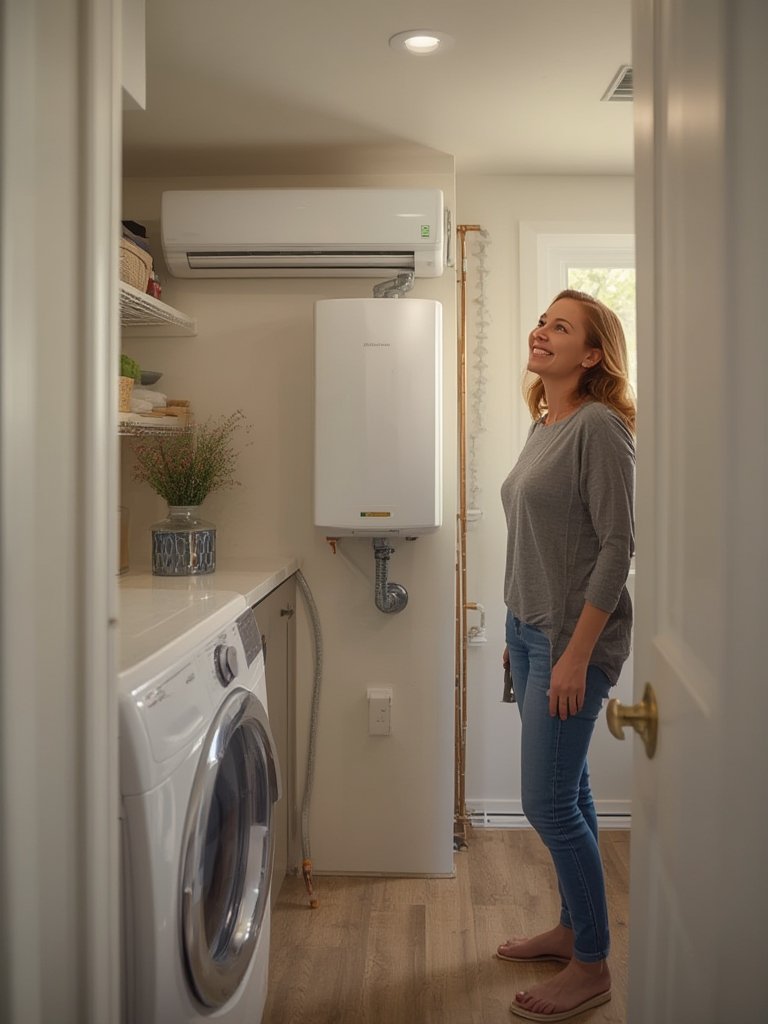
Rebates & Certification: While many heat pump water heaters qualify for tax credits or rebates, specific programs and dollar amounts change yearly. Confirm with local utilities and ENERGY STAR listings for the most up-to-date incentives and performance standards.
Pairing your water heater with smart upgrades? Our smart thermostat installation resource explains how to unlock further savings and control.
Conclusion: Make Your Installation Count
Switching to a modern system through careful heat pump water heater installation can dramatically lower your energy costs and enhance everyday comfort. Just remember: success hinges on choosing the right space, following a proven step-by-step process, and having access to expert help when needed. Weigh the pros and cons honestly, factor in your home’s unique needs, and always check for current rebates or efficiency incentives ahead of time.
Ready for your upgrade? Get started today—your wallet and the environment will thank you.
FAQ: Heat Pump Water Heater Installation
How long does it take to install a heat pump water heater?
Professional installation typically takes 4 to 8 hours, depending on your home’s plumbing and electrical setup. Complicated replacements or new construction may extend this timeline.
Can I install a heat pump water heater myself?
Because these systems require electrical work, local code compliance, correct venting, and proper condensate drainage, professional installation is usually recommended unless you have advanced skills.
How much space is required for a heat pump water heater?
Plan for at least 750 cubic feet of open air around the unit for proper operation and long-term efficiency. Small closets or tight spots are unsuitable.
Are there rebates or incentives for installing a heat pump water heater?
Many states and utilities offer rebates or tax credits for qualifying models. Check current local incentives and ENERGY STAR programs for details before you buy.
How does a heat pump water heater compare to a tankless system?
Heat pump water heaters use less energy but take up more space and don’t deliver instant hot water. Tankless systems are smaller, offer endless hot water, and tend to last longer but have higher upfront costs.
—
