


### Blog Post:
Tankless water heater installation is changing the way homeowners access hot water, but it’s a project with costs, requirements, and key decisions. Before calling a plumber or buying a unit, here’s what you need to know for a smart, realistic upgrade.
Key Takeaways
- Average tankless water heater installation costs in the US are $2,633; prices vary by region, fuel type, and installation complexity.
- Most homeowners pay more upfront than for traditional heaters, but enjoy potential long-term savings and higher resale value.
- Critical data about real maintenance needs, performance complaints, and rebate incentives is often missing from top articles—know the informational gaps before you buy.
- Understanding Tankless Water Heater Installation
- Step-by-Step Tankless Water Heater Installation Guide
- Advanced Analysis & Common Pitfalls
- Conclusion
- FAQ
Understanding Tankless Water Heater Installation
A tankless water heater installation involves replacing a traditional tank water heater with an on-demand (or “instantaneous”) system that heats water as you need it. This approach can save energy, reduce utility costs, and free up valuable space in your home. However, tankless systems cost more upfront—and require careful planning regarding venting, gas or electric lines, permits, and sizing, especially if you want enough hot water for multiple bathrooms running at the same time.
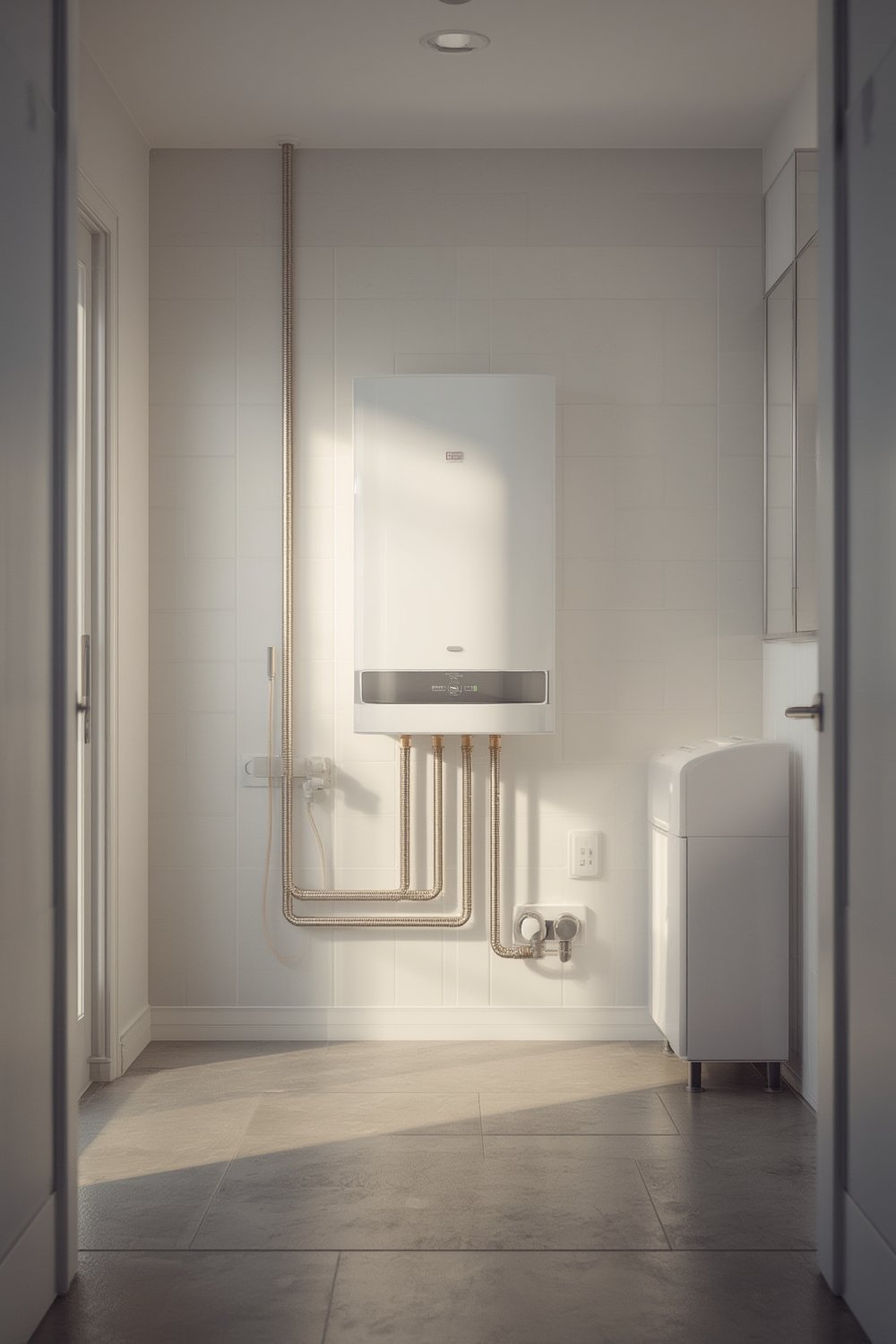
The national average for installation is $2,633, with most projects ranging between $1,401 and $3,898. In Chicago, for example, the average cost is $2,577 (HomeAdvisor, Angi Chicago). Fuel choice—electric, gas, propane, or solar—impacts both installation and future operating costs. Upgrades to infrastructure and compliance with local plumbing codes are often required, making professional installation the safer choice.
A successful tankless water heater installation can increase your home’s resale value recovery by 70% to 80% in some regions (source), especially if you choose energy-efficient models.
Step-by-Step Tankless Water Heater Installation Guide
Tankless water heater installation is complex—DIY is generally not advised unless you have substantial plumbing and electrical experience. Here’s what a typical professional installation involves:
- Assess Your Hot Water Needs
Calculate required flow rate (gallons per minute, or GPM) based on simultaneous appliance use—showers, dishwashers, washing machines. Undersizing is the number-one regret among homeowners later. - Choose Your Fuel Type & Unit
Electric models cost less and are easier to install, but may not meet demand in large homes. Gas (natural or propane) delivers higher capacities but usually costs more to install and requires venting and gas lines. Solar is rare, expensive upfront, and best for niche scenarios.Fuel Type Unit + Install Cost Range Electric $450–$1,500 Natural Gas $1,000–$1,500 Propane $1,000–$1,500 Solar $1,800–$6,000 - Site Assessment & Code Compliance
Have a licensed plumber assess your home’s existing infrastructure, confirm venting requirements, and review local plumbing code. In difficult locations, labor costs can rise an extra 10–15% due to accessibility (Angi Chicago). - Secure Permits
Factor in $100–$300 for permits and inspections. Skipping these can delay home sales or void warranties later (CR Plumbing DFW). - Remove Old Water Heater
Ensure the quote covers removal and disposal to avoid unexpected fees and code violations. - Update Gas, Electrical, and/or Venting as Required
Gas line upgrades average $800–$2,000; new venting runs $300–$800. Electric tankless models may require panel upgrades, adding $500–$1,000 to the bill. - Install Tankless Unit
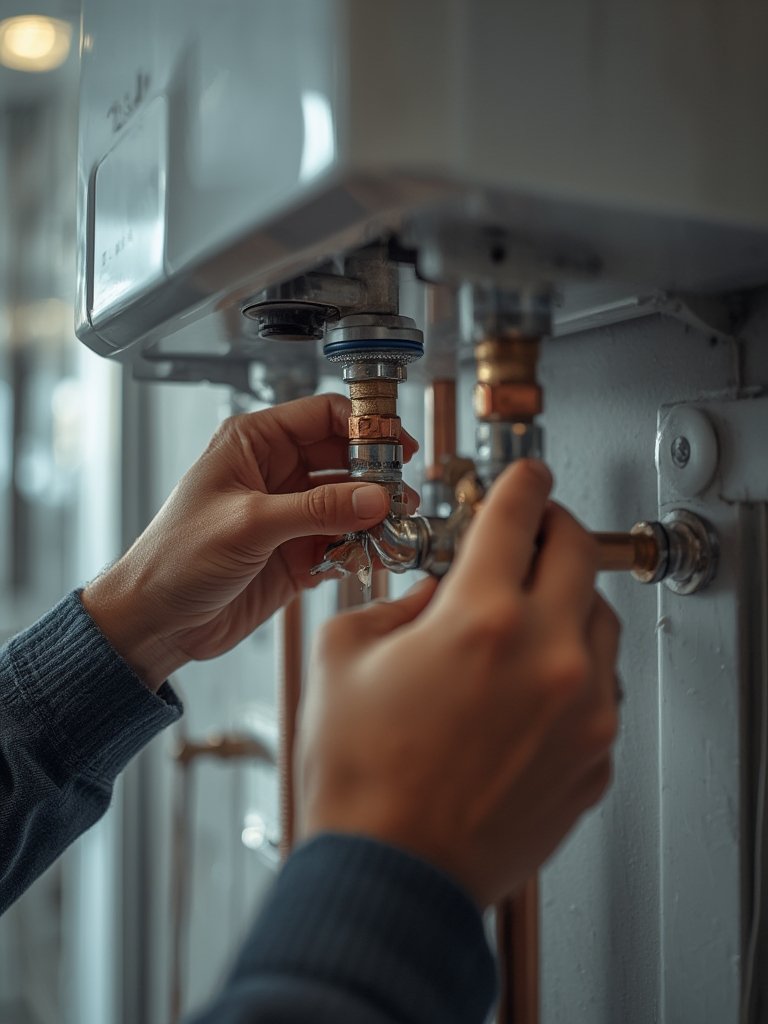
Wall-mount the new unit per manufacturer specs. Connect water, gas, and/or electricity, test for leaks, and confirm safe operation. - Inspection & Final Testing
Pass city inspection to close permits, then test hot water delivery at multiple fixtures to confirm the installation works for your household’s needs.
For those interested in energy efficiency across their entire home, check out our guide to high efficiency HVAC upgrades as a companion to your water heating update.
Also, if you’re renovating your space or optimizing for smart systems, you might appreciate integrating your project with professional smart home installation or consider heat pump water heater installation for further savings.
Advanced Analysis & Common Pitfalls
Top-ranked tankless water heater installation articles regularly skip or gloss over important details that can impact your project’s cost, success, and satisfaction.
| Pitfall | How to Avoid |
|---|---|
| Undersizing the unit (low GPM) | Use a comprehensive GPM chart and oversize slightly for multiple bathrooms or simultaneous use. Factor in climate (colder input water needs more power). |
| Ignoring code compliance | Always obtain permits and pass inspection. Ask your installer about most common failures for your region. |
| Not budgeting for infrastructure upgrades | Request a detailed site assessment. Many homes need electrical, gas, or venting upgrades to accommodate tankless models. |
| Overlooking maintenance requirements | Ask about descaling (especially in hard water regions), filter replacement, and annual service costs. Neglect can void warranties. |
| Assuming all brands are equally reliable | Request brand-specific reliability, warranty, and customer satisfaction data before choosing a unit. Rinnai and Takagi have pricing data but little public failure rate info (source). |
| Missing local or utility rebates | Search city and utility websites for incentive programs before starting. Note current gaps—rebate data is scarce but can save hundreds if available. |
Homeowners often encounter other issues: lukewarm water at distant fixtures (due to lack of recirculation), higher labor costs if installing in tight spaces, or disappointment when operating costs don’t drop as much as expected—especially with electricity prices on the rise. If you live in an older home, retrofitting can get especially expensive; be sure to get multiple quotes and clarify what upgrades (panel, pipes, venting) are included. For outdoor kitchen upgrades, make sure your water system is planned together for efficient connections (outdoor kitchen installation guide).
Conclusion
Tankless water heater installation can improve comfort and long-term efficiency, but it’s not a simple swap—there are significant costs, code requirements, and sizing choices to weigh. Always gather detailed estimates, ask for a clear breakdown of labor, and check for any local rebates before starting. To maximize your investment in a tankless water heater installation, choose quality brands, schedule regular maintenance, and never skip permitting. Want support planning a larger project? Read our resources on bathroom renovation trends or eco-friendly deck upgrades to build value throughout your home. Ready to upgrade? Contact a licensed pro for a quote—don’t risk a DIY disaster.
FAQ
How much does tankless water heater installation cost on average?
The US national average is $2,633, but most homeowners pay between $1,401 and $3,898. Costs vary by region, unit size, and installation complexity. In cities like Chicago, expect $2,577 on average. Extra charges apply for upgrades to gas, electric, or venting systems.
Do tankless water heaters need maintenance?
Yes. Tankless water heaters require annual or bi-annual maintenance, especially in areas with hard water. This usually includes descaling, filter cleaning/replacement, and professional inspection. Skipping maintenance can void warranties and reduce equipment life.
Can I install a tankless water heater myself?
In most cases, no. Installation requires plumbing, electrical, or gas line work and must conform to local codes. Permit and inspection requirements typically make professional installation necessary—and safer.
What’s better: natural gas or propane tankless water heater?
Costs and installation complexity are similar for both. Natural gas usually offers lower operating costs where available. If you’re off-grid or in rural areas, propane may be your only option. Performance is comparable, but always check local utility rates.
Are rebates or incentives available for tankless water heater installation?
Some ENERGY STAR tankless models increase home value recovery, but explicit rebate and incentive information for 2025-2026 is scarce. Check regional or utility programs for updates before proceeding.
—
