


### Blog Post:
Epoxy garage floor coating has rapidly become a top upgrade for homeowners seeking a durable, attractive space for more than just parking cars. As the demand for organized, multipurpose garages grows, understanding the real benefits, potential issues, and practical steps for applying epoxy or its rivals is critical—especially in 2024 as new products and standards shape the market.
Key Takeaways
- Epoxy garage floor coating offers outstanding durability, aesthetics, and can transform any garage—yet requires careful preparation to avoid failure.
- Polyaspartic coatings are emerging as faster-curing, flexible, and more UV-resistant alternatives with environmental advantages.
- Most online guides skip critical topics: satisfaction rates, detailed costs, and troubleshooting—be sure to research before you dive in.
- Epoxy Garage Floor Coating: What It Is and Why It’s Popular
- How to Install Epoxy Garage Floor Coating: Step-by-Step
- Advanced Analysis & Common Pitfalls
- Conclusion
- Frequently Asked Questions
Epoxy Garage Floor Coating: What It Is and Why It’s Popular
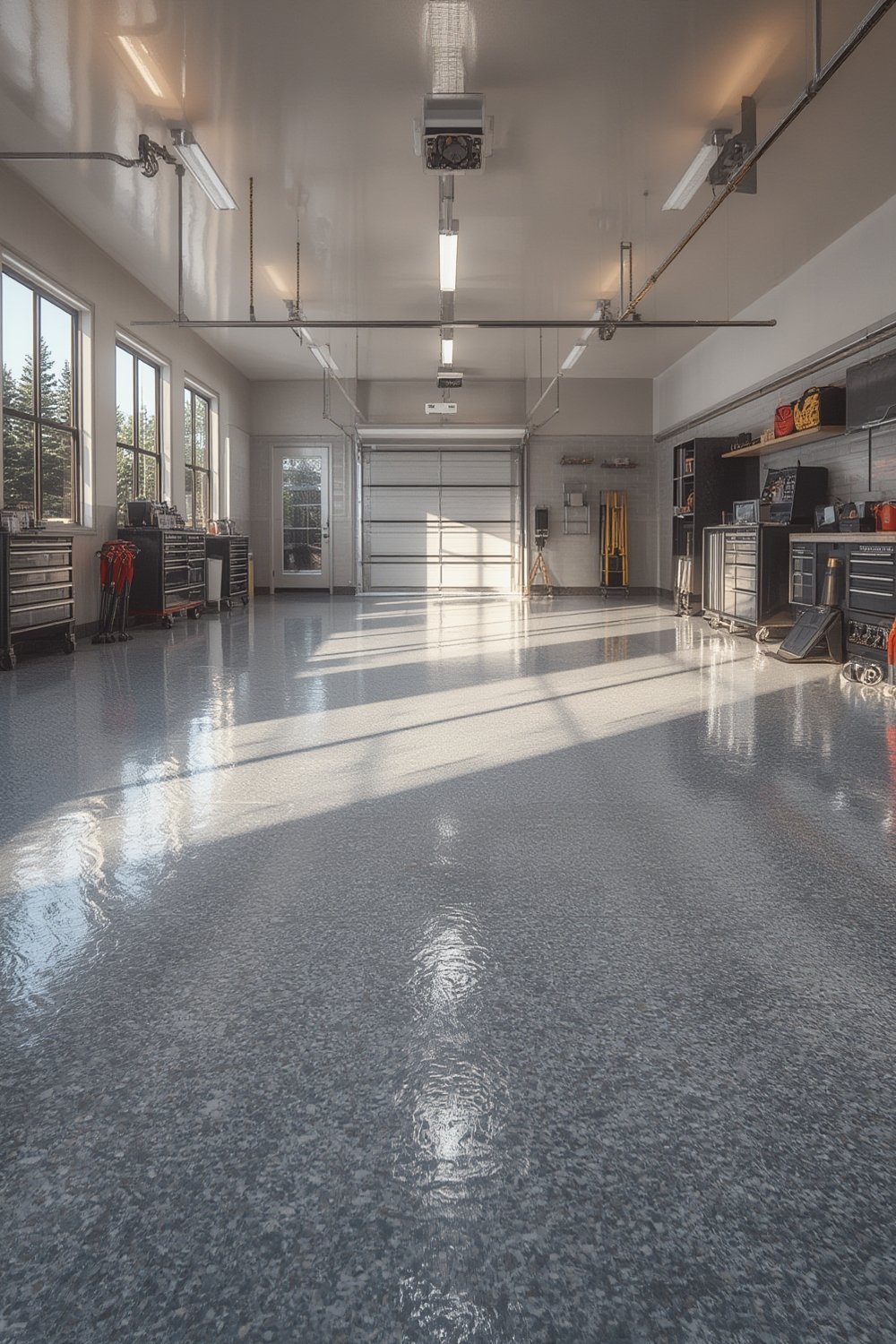
Epoxy garage floor coating is a tough, seamless surface treatment created by combining resin and hardener, then rolling it onto prepared concrete. It turns dusty, drab slabs into sleek, chemical-resistant floors that resist stains and chips. In 2024, more homeowners use their garages as gyms, workshops, or living extensions, making durable, low-maintenance floors essential.
Aside from visual impact, epoxy coatings add real value: they’re easy to clean, can hide blemishes, and offer customization with colors and decorative flakes. This widespread adoption comes as new, low-odor and DIY-friendly products appear, and eco-friendly options track with green building trends.
For context, recent analysis shows residential applications for epoxy flooring are seeing “considerable growth, characterized by steady expansion, reflecting homeowners’ increasing preference for durable, easy-to-maintain floors that enhance aesthetic appeal in living spaces.” (source)
How to Install Epoxy Garage Floor Coating: Step-by-Step
Installing epoxy garage floor coating requires careful preparation, quality materials, and realistic expectations. Here’s how to do it right:
- Clear and clean the garage: Remove all items. Sweep, vacuum, and scrub the concrete. Degrease any oil spots using a dedicated cleaner.
- Repair cracks and holes: Use an epoxy-based patching compound. Ensure the surface is smooth—uneven spots will show through the finished coating.
- Etch or grind the surface: This step is critical. Etch the floor with a mild acid solution or use a concrete grinder for best adhesion. Rinse thoroughly and let it dry completely.
- Test for moisture: Tape a plastic sheet to the concrete. If water collects after 24 hours, the floor is too damp for epoxy; address moisture issues before proceeding.
- Mix epoxy components: Follow the manufacturer’s ratio exactly. Let it “induct” (rest) if specified. Never mix more than you can apply in 30 minutes.
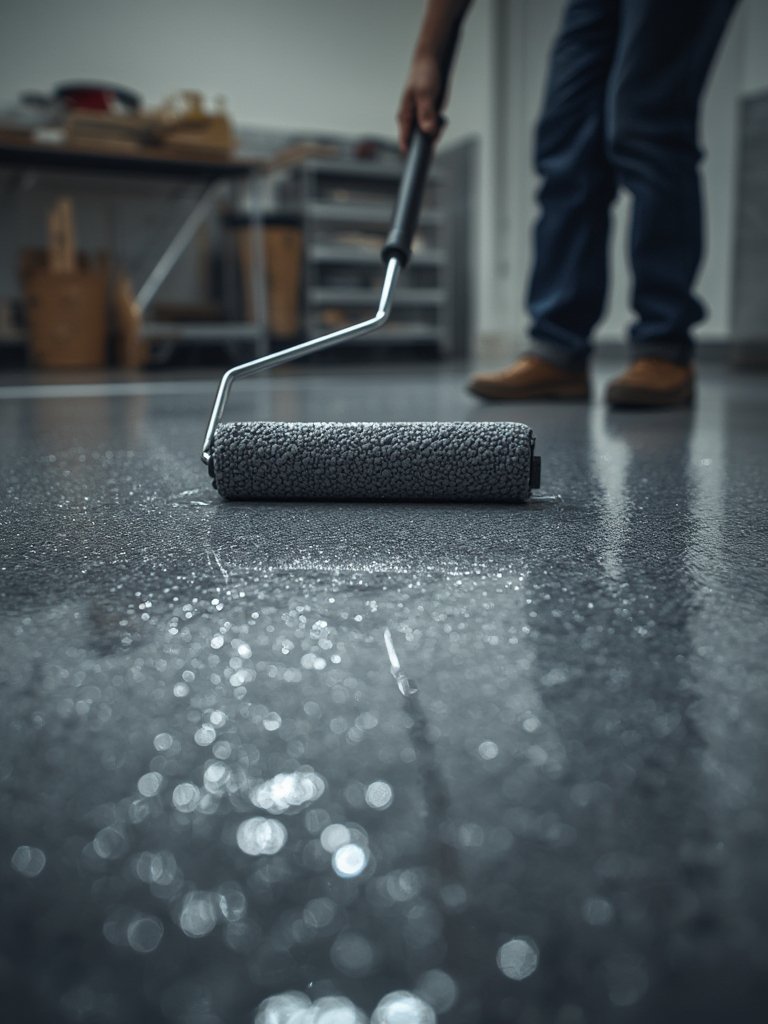
- Apply the base coat: Pour epoxy into a roller tray and use a lint-free roller to apply a thin, even coating. Work in sections and maintain a wet edge.
- Add decorative flakes (optional): Sprinkle flakes onto the wet base coat for texture and visual interest. Work quickly; epoxy sets fast.
- Apply the topcoat: Once the base is set (usually 24 hours), roll on a clear topcoat for added gloss and protection.
- Allow proper cure time: Wait at least 3-7 days before heavy use—timing varies by product and conditions.
For expert help transforming your entire property, see how professional landscaping services can upgrade your outdoor space alongside your new floor. Or, if you’re converting the garage into an ADU, expert advice is essential—learn more at this ADU cost breakdown.
Advanced Analysis & Common Pitfalls
Even the best products will fail without proper installation, and many guides miss the real problems homeowners encounter. Here are key pitfalls and an honest comparison between epoxy and polyaspartic coatings so you make an informed choice.
Most Common DIY Failures
- Improper surface prep: Skipping grinding or etching results in poor adhesion and peeling.
- Moisture issues: Invisible concrete moisture causes bubbling or delamination once the coating cures.
- Mixing errors: Incorrect ratios lead to tacky floors or early discoloration.
- Temperature conditions: Applying epoxy outside the recommended temperature window can cause uneven curing.
Sadly, reliable statistics on satisfaction or failure rates for DIY epoxy garage floor coating jobs remain unavailable as of 2024. Most manufacturers highlight successful case studies, not the frequent user complaints about peeling, hot tire pickup, or loss of gloss over time.
Epoxy vs Polyaspartic: Which Is Better in 2024?
| Attribute | Epoxy | Polyaspartic |
|---|---|---|
| Curing Time | 24-72 hours (car), 5-7 days full use | 1 day (car), 1-2 days full use |
| Durability | Very strong, but rigid and prone to cracks if concrete moves | More elastic; resists cracks, stains, hot-tire pickup |
| UV Stability | Can yellow or chalk outdoors | Excellent |
| VOC/Environment | Moderate to low (improving) | Low/zero VOC, greener options available |
| Application Conditions | Narrow temperature range | Wider temperature range |
| Cost (2024 estimate) | Varies, but no precise current data | Generally higher; no precise current data |
| Market Share (2025) | 41.7% | Rapid growth (5.5% CAGR, eating into epoxy’s lead) |
Polyaspartics are increasingly popular for speedy installations, chemical resistance, and sharp looks—backed by “overnight-curing capability that limits facility downtime” and “excellent UV stability, clarity, and resistance to chemical staining” (source, source).
Still, epoxy commands the lion’s share of residential garages due to cost and product familiarity. Remember, installation mistakes—not product selection—are the top reason for failures.
If you want to blend indoor and outdoor aesthetics, consider pairing your new floor with LVP flooring in other areas for a cohesive look. For year-round usable outdoor rooms, check out climate-resilient patio ideas. If you need more project inspiration, see modern bathroom renovations for the latest indoor upgrade trends.
Conclusion
Epoxy garage floor coating remains one of the smartest upgrades for adding value and utility to your home—if installed with care. Understand the real differences with polyaspartic, prep the surface properly, and ignore the “one-hour miracle makeover” hype. While cost info and real-world satisfaction data are still too scarce in 2024, well-applied coatings can make every square foot of your garage beautiful and functional. Ready to upgrade? Plan your project, compare both options, and consider professional help for perfect results.
For more ways to transform your space, explore maintenance-free outdoor flooring options or see how a smart home upgrade can work with your revitalized garage.
Frequently Asked Questions
How long does epoxy garage floor coating actually last in a typical residential garage?
When installed correctly on a properly prepped surface, epoxy garage floor coating typically lasts 5-10 years before needing major touch-ups or reapplication. High-traffic or sun-exposed areas may show wear sooner.
What are the biggest reasons epoxy garage floor coatings fail?
The most common causes are poor concrete preparation, hidden moisture in the slab, and incorrect resin-to-hardener ratios. Skipping etching, cleaning, or curing steps often leads to peeling or bubbling.
Is polyaspartic garage floor coating worth the extra cost?
Polyaspartic coatings cure quickly (often within 24 hours), have better UV stability, and tolerate more extreme conditions. While usually more expensive, they may be worth it for garages you need back in service quickly or that see harsh use.
How can I tell if my garage floor is suitable for epoxy coating?
Check for moisture by taping plastic to the slab for 24 hours. If it stays dry underneath, your floor is likely a good candidate. Address cracks, oil stains, or structural issues first for best results.
Are there sustainable or low-VOC options for garage floor coatings?
Yes. The latest advancements include lower-VOC products and bio-based resins. Polyaspartic systems often feature “low to zero VOC profiles” and are gaining LEED credits in green building projects (source).
