


Home office addition cost is a top concern for homeowners upgrading their workspace, but most resources hide real numbers and miss hidden fees. Before you budget for that backyard studio or addition, get clarity on what it truly costs—down to the last unexpected extra. This guide delivers real data, problem areas, and actionable steps, so you avoid unpleasant surprises.
Key Takeaways
- Average home office addition cost ranges from $10,000 to $22,000 nationally, with California often higher ($20,000 to $75,000).
- Hidden costs—such as permits, utility extensions, insulation, and zoning—can add thousands to your project.
- Prefab backyard offices and detached ADUs promise flexibility but often face overlooked legal and utility hurdles.
- Understanding Home Office Addition Cost: What You Really Pay
- How to Plan and Build Your Home Office Addition: Step-by-Step
- Advanced Analysis & Common Pitfalls
- Conclusion: Smarter Budgeting for Your Home Office Addition
- FAQ: Home Office Addition Cost
Understanding Home Office Addition Cost: What You Really Pay
If you’re considering a home office addition, costs vary dramatically depending on the type of build, region, and hidden factors. Traditional home office additions in 2024 average $10,000 to $22,000 across the U.S., or $50 to $200 per square foot for spaces between 50 and 150 sq ft. In California and premium urban markets, expect $100 to $400 per sq ft—making standard additions $20,000 to $75,000 or more. Detached structures like garage conversions and ADUs run $20,000 to $80,000, driven by local labor, permitting, and code complexity. Prefab office sheds and garden pods exist but lack public cost and spec breakdowns; most data centers on attached additions. See supporting detail at HomeLight, Construct Elements, and Norman Builders. Costs rise fast in regions with stricter permits and higher labor, while central U.S. and rural areas trend toward the lower end.
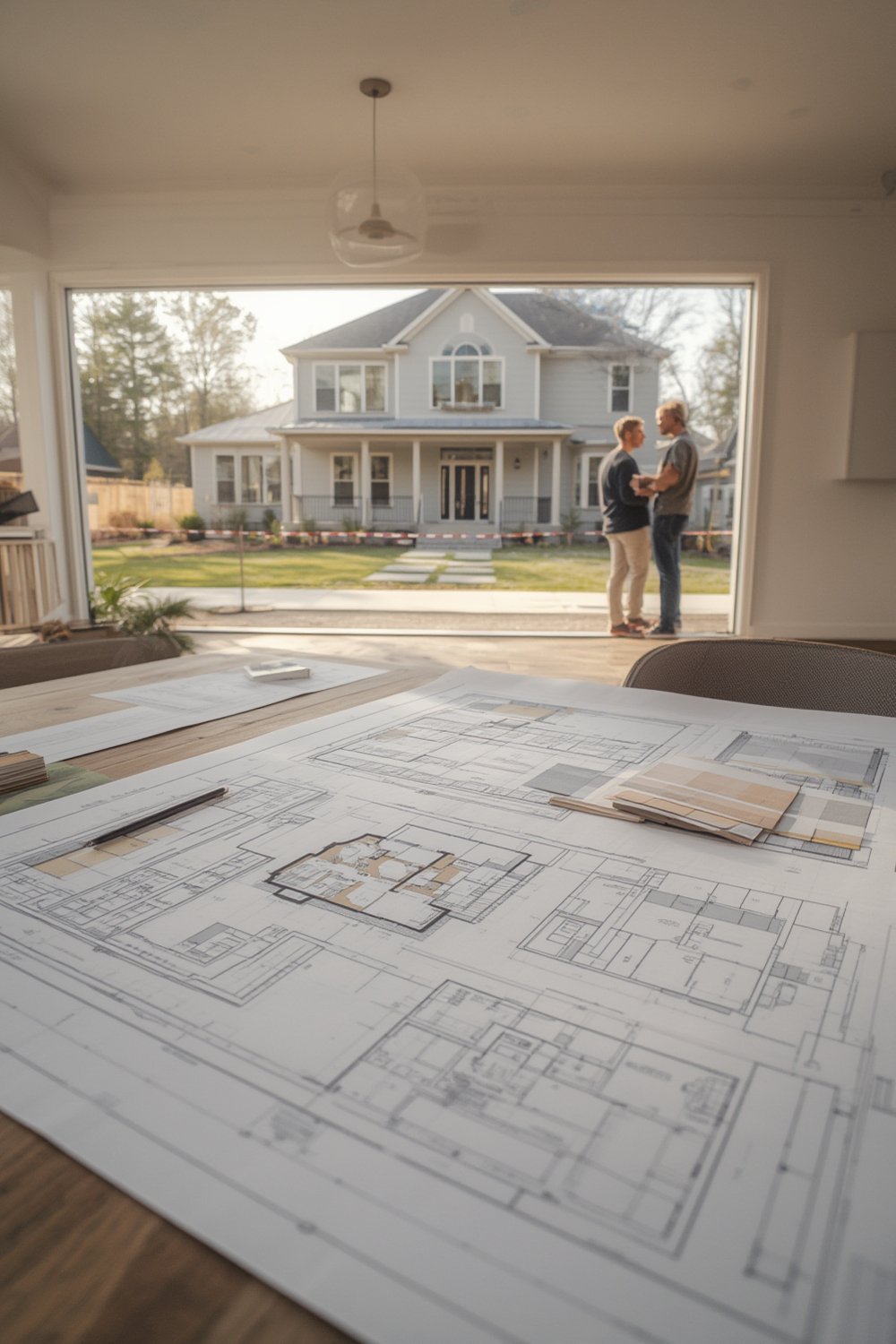
Detaching your workspace—via backyard offices, pods, or garage ADUs—sounds attractive for privacy but brings new complications. Utility extensions, environmental surveys, and complex HOA or zoning rules can quickly double or triple your initial estimate. If you’re looking for cost efficiency, using existing space (like basement or attic conversions) skews higher ($30,000-$80,000) due to structural work and code upgrades. Over five years, a home office addition can deliver significant equity gains, especially if it’s convertible to a legal bedroom, compared to ongoing costs of coworking rentals. However, returns vary by region and market trends.
How to Plan and Build Your Home Office Addition: Step-by-Step
Getting real about your home office addition cost demands more than picking a shed or getting a bid. Follow these actionable steps to avoid gaps in your budget and delays in your timeline.
-
Define Usage and Budget Parameters
Decide if you need a dedicated detached space, traditional addition, or if reworking existing rooms makes more sense. Set your all-in ceiling. Consider a 20% margin for surprise costs. -
Research Local Regulations
Major metros like Los Angeles and San Francisco have strict zoning, permit, and environmental review requirements. Permit costs can range from $1,000 to $7,500. Consult your city’s planning office up front. This prevents costly project delays, and allows you to budget for regulatory variances, which are often overlooked in national articles. -
Get Detailed Bids That Include All the Extras
Request itemized quotes covering architectural fees ($2,400-$14,000), foundation work ($5–$37 per sq ft), insulation ($0.30–$6.75 per sq ft), electrical and HVAC ($50–$100 per hour, $3,000 for HVAC extension), and utility trenching. Don’t ignore recurrent fees like city inspections ($2,000–$7,000 in some areas). -
Factor In utility extensions for Detached Offices
Most projects underestimate the cost and complexity of running water, sewer, power, or WiFi to a backyard pod or ADU. In some regions, this can add $5,000-plus—sometimes double initial estimates due to trenching, code, and labor. Learn more about cost-effective insulation and energy options in our spray foam insulation cost guide and energy efficient HVAC upgrade. -
Plan for Material and Weather Delays
Lumber, concrete, and finish materials vary widely in price and availability by region. Insist on locked-in bids, and expect weather or supply delays—especially for sitework on detached structures. -
Consider Equity and ROI
If your home office can be converted to a legal bedroom later, average ROI reaches 56%. Extras like garage conversions into rentable spaces can further boost long-term value.
Interested in big ROI improvements? See our guide to garage conversion ADU costs and what buyers expect.
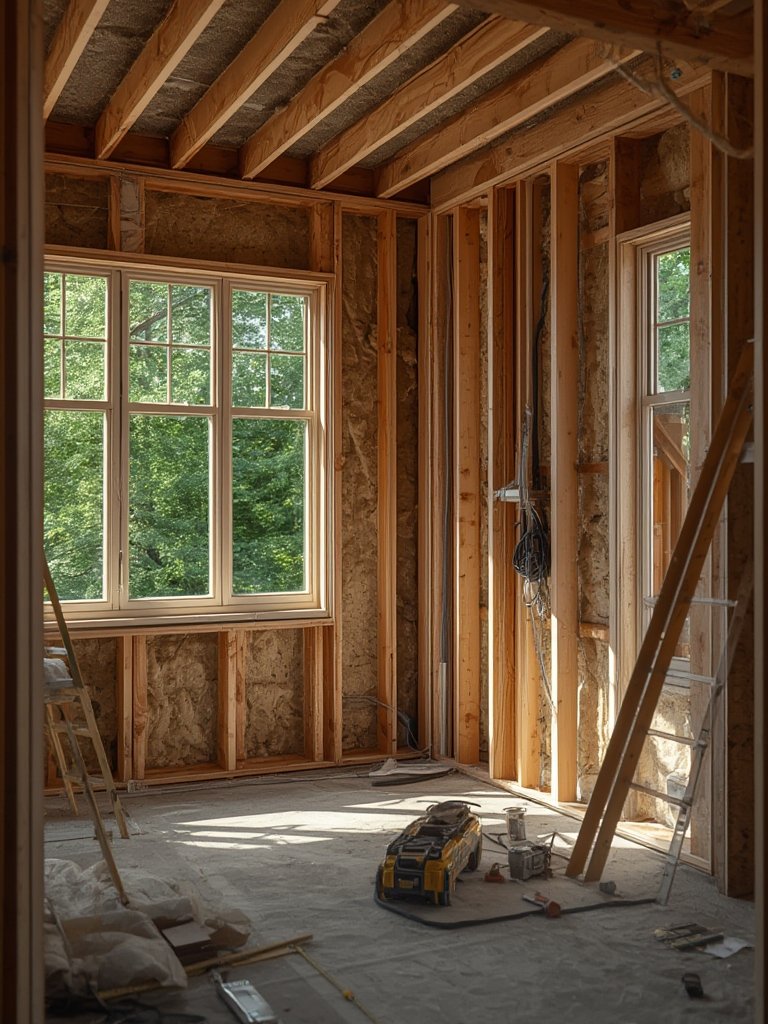
During planning, don’t overlook the synergy between your office and outdoor spaces. Tie in landscaping upgrades for better curb appeal and usability. Need outdoor transformation ideas? Check out our resources for landscaping services and outdoor space enhancement. If you’ll power lots of smart devices, consider referencing our smart home installation guide for compatibility and energy tips.
Advanced Analysis & Common Pitfalls
Even experienced homeowners stumble into the same budget traps when adding home offices. Here’s what the research reveals—and what most high-ranking articles miss:
- Regional Regulatory Surprises: Permit costs in California and other high-demand cities can reach $12,000+ after reviews and inspections. HOA and metro zoning delays are common, especially near environmentally sensitive districts or allowed building footprints. Always get clarity before breaking ground. See this local breakdown of hidden regulatory costs.
- Utility and Foundation Extensions: Running power, plumbing, or HVAC to a detached building can be as expensive as the structure itself. Bids rarely include trenching, multi-trip inspections, or required energy upgrades. Save headaches by consulting utility professionals early.
- Lack of Prefab Transparency: Prefab offices or sheds look cheaper up front, but the cost for code upgrades, insulation, and permits is often excluded in online prices. Details on size limits, durability, or connectivity are rarely disclosed—forcing DIYers to gamble on compatibility.
| Option | Project Cost Range | Permit/Utility Risk | ROI Potential | Timeline Impact |
|---|---|---|---|---|
| Traditional Home Office Addition | $10,000–$22,000+ ($50–$200 per sq ft) CA: $20,000–$75,000 |
Medium to High (varies by city) | Up to 56% (if bedroom convertible) | 12–20 weeks |
| Garage/Detached ADU Conversion | $20,000–$80,000 | High (multiple inspections) | High for rental markets | 16–26 weeks |
| Prefab Office Shed/Pod | Unknown—site prep & permits extra | High (often overlooked) | Variable | 2–6 weeks (plus delays) |
| Existing Space Conversion | $30,000–$80,000 (basement: higher, garage: variable) |
Lower (no new foundation) | High if up to code | 6–18 weeks |
Competitor articles routinely overlook these realities:
- Local permit landscape can swing total cost by thousands. Articles gloss over this, but it’s critical—especially in coastal or ultra-regulated metros.
- Many guides ignore the cost and technical obstacles of utility lines. Plan to dig or route lines—budget both time and money.
- Prefab solutions are tempting but rarely turn-key. Expect to budget for additional code upgrades, insulation, HVAC, and electrical—often negating so-called “budget” benefits.
- Verified buyer complaints are scarce online, but indirect pain points include regulatory delays and unforeseen code requirements once projects are underway.
Conclusion: Smarter Budgeting for Your Home Office Addition
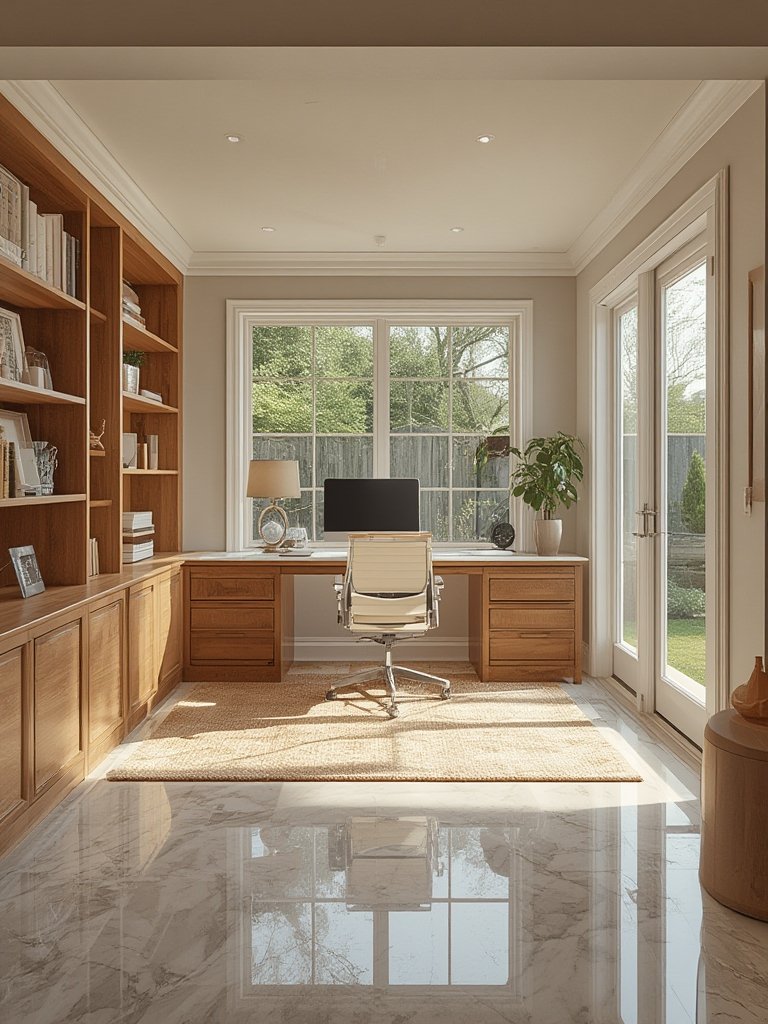
Most homeowners radically underestimate their true home office addition cost. Strict permits, utility extensions, and local code surprises routinely push projects thousands over the starting bid. By getting highly detailed quotes, double-checking your local rules, and planning for code-compliant upgrades, you can control your budget and timeline. The best investment is knowledge—get local advice early, and always build in a margin for the unexpected.
Ready to build your new workspace? Start with a detailed plan and realistic cost benchmarks. For more home upgrade inspiration, explore premium guides like our composite decking installation guide or find out how a smart thermostat can optimize your new office with our smart thermostat installation guide.
FAQ: Home Office Addition Cost
How much does a typical home office addition cost in 2024?
National averages for traditional home office additions run from $10,000 to $22,000, or $50 to $200 per square foot. In California or major cities, costs can reach $400 per square foot or $75,000+ total for higher-end finishes and strict permitting.
What hidden costs should I watch out for?
Many underestimate permit fees ($1,000–$7,500), code-required utility extensions ($3,000+ for HVAC, plus electrical and plumbing fees), insulation costs ($0.30–$6.75 per sq ft), foundation work, and required inspections. Delays from HOA or zoning reviews are also common.
Are prefab backyard office sheds really cheaper?
Upfront shed or pod prices appear lower but rarely include permit costs, utility hookups, code upgrades, or sitework. By the time all extras are included, out-of-pocket costs can rival traditional construction, especially in cities with strict codes.
Is it cheaper to convert an existing room or garage?
Sometimes, yes—if the structure is sound. However, attic, basement, or garage conversions often require hefty upgrades to meet code, improve insulation, add egress, or update wiring. Typical costs range $20,000–$80,000.
How does ROI compare to renting a co-working space?
Home office additions add equity and can deliver high resale value (up to 56% ROI if convertible to a bedroom). Renting space has no equity return and costs accumulate indefinitely. However, initial capital outlay for an addition is much higher.
