


### Blog Post:
Cold plunge pool installations are quickly becoming the backbone of home wellness spaces, offering a powerful way to experience cold therapy right in your backyard. But before you jump in, it’s essential to understand the benefits, practical steps, and hidden hurdles so you can make the right choice without regrets.
Key Takeaways
- Cold plunge pool adoption is rapidly rising in the US and globally, with residential installations gaining momentum due to wellness trends.
- Practical challenges–from plumbing to maintenance–require careful planning before installing your own home ice bath or plunge pool.
- Smart tech, water sanitation, and energy efficiency are emerging as important but under-discussed topics for future-ready plunge pool owners.
- Understanding Cold Plunge Pools: What & Why
- Installing a Cold Plunge Pool: Step-by-Step Guide
- Advanced Analysis & Common Pitfalls
- Conclusion
- FAQs
Understanding Cold Plunge Pools: What & Why
A cold plunge pool is a purpose-built tub or small pool, typically designed for immersion in cold water, often in the range of 39°F to 55°F. Its main draw is quick, intense cold exposure, often used after workouts for muscle recovery or as a daily wellness ritual. With origins in European and Asian spa traditions, cold plunges are now a sought-after feature for home gyms, outdoor living spaces, and backyard retreats across North America and worldwide.
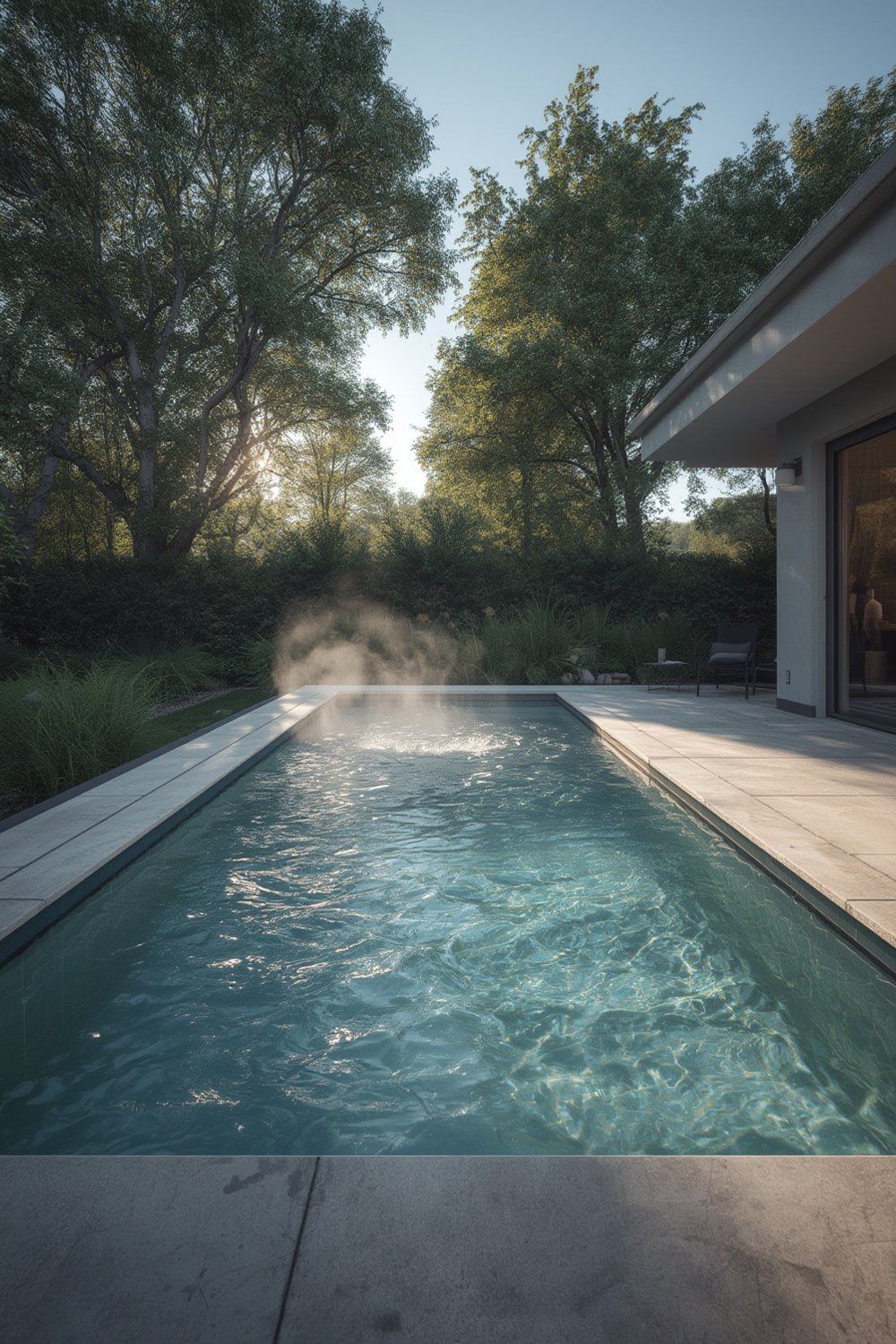
Global market data shows explosive growth: the worldwide cold plunge pools market is valued at USD 746.65 million in 2024, with projections reaching USD 1.1 billion by 2032. North America claims about 33% of this share. The rise is fuelled by biohacking, longevity, at-home wellness trends, and celebrities highlighting recovery routines. Whether for athletic recovery, mental clarity, or the endorphin rush, the “why” behind cold plunging is only getting stronger.
Curious how a wellness-focused backyard comes together? Dive into our guide on outdoor kitchen installation to discover other ways homeowners are upgrading their exterior spaces for both health and lifestyle value.
Installing a Cold Plunge Pool: Step-by-Step Guide
Setting up a cold plunge pool at home requires more than just a roomy backyard and a love for brisk dips. Here’s a detailed, actionable pathway to a safe and satisfying install.
- Assess Your Space & Readiness
Check local codes and HOA rules. Make sure your chosen area is level, accessible, and can handle weight when filled (water is heavy). Consider consulting expert landscapers for prep and design. - Pick Your Model: DIY or Pre-Built
DIY setups (such as converted barrels or troughs) can cost under $800 but require regular ice additions—or an aftermarket water chiller for consistent temp. Pre-built plunge pools range from $3,000 to $12,000+ but offer smart tech, filtration, and insulation for all-season use. - Plan Utilities: Plumbing, Drainage, and Electrical
Most plunge pools need a dedicated GFCI outlet for a chiller or heater. Drainage is a must for cleaning and safety. Professional install (especially for electrical work) is sometimes required for local permit compliance. See comparisons in recent industry analysis for more model options. - Insulation & Weatherproofing
Proper insulation helps hold icy temps in summer and prevents freezing and cracking in winter. Consider weatherproof covers, wind breaks, and, if budget allows, energy-efficient plunge pool models with built-in insulation. - Install Sanitation & Filtration
Consistent water quality is critical. Simple DIYs usually need weekly draining and cleaning, while high-end models use ozone, UV, or advanced filters. Explore other home improvement projects, like composite decking, for inspiration in building out your cold plunge deck or surround. - Set & Control Water Temperature
Modern plunge pools may feature digital smart controllers or programmable cooling cycles. Budget systems often rely on manual ice addition or basic chillers; premium tubs may connect to WiFi for app-based management. For more on smart home tech, see this smart home installation service guide. - Safety Features & Ongoing Maintenance
Anti-slip decking, child locks, alarms, and regular chemical or physical cleaning are all part of responsible cold plunge ownership. Factor ongoing costs—electricity, water, and filtration—into your decision.
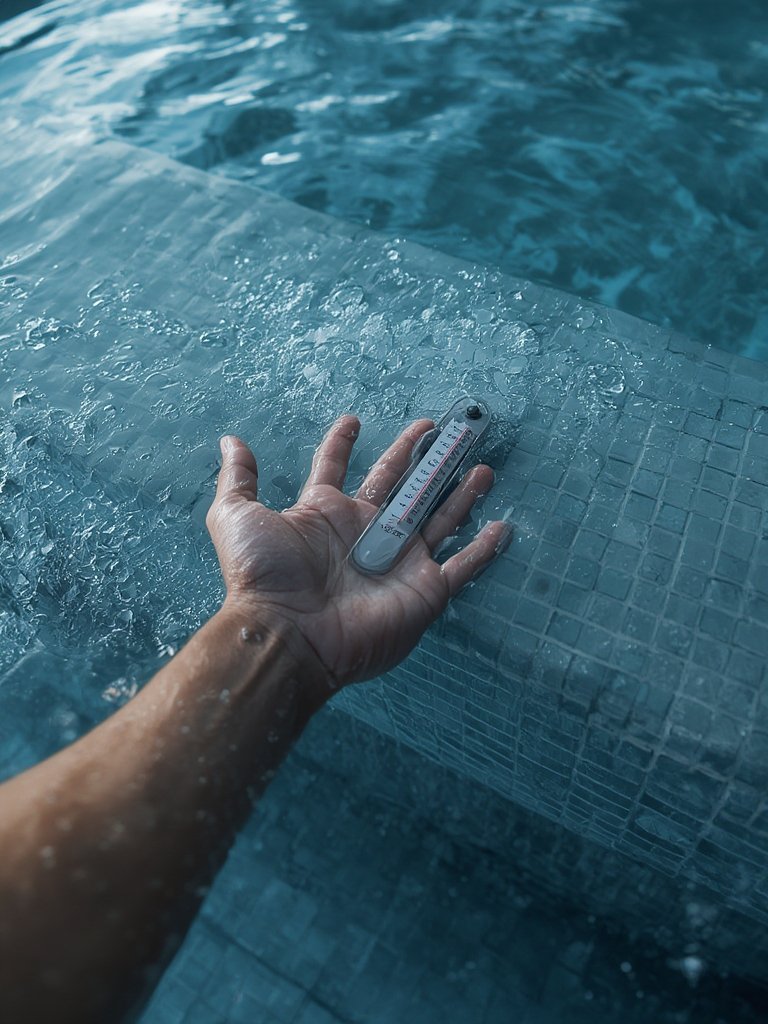
Many homeowners integrate a cold plunge setup as their ultimate wellness add-on, right beside their spa-inspired bathroom renovation projects. This approach creates a relaxing retreat both indoors and outdoors—doubling your home value and self-care options.
Advanced Analysis & Common Pitfalls
Recent consumer feedback and research reports highlight a surprising number of hidden issues with home cold plunge pool projects. Despite trend-driven demand, most buyers overlook key challenges that can lead to frustration or added expenses down the line.
| Pitfall | DIY Setup | Pre-Built System |
|---|---|---|
| Temperature Control Consistency | Manual ice addition, difficult at scale, poor insulation | Automated, reliable, but requires power and may break down |
| Sanitation & Water Quality | Requires frequent draining and scrubbing | Often features advanced filtration or water sanitation options |
| Energy Efficiency | Inefficient, no insulation | Newer models feature insulation and smart controls |
| Permitting & Compliance | Often skipped, potential code violations | Installation may require inspection and permits |
| Long-Term Maintenance | Labor-intensive cleaning, short lifespan | Simplified, but service costs may apply |
| Safety Issues | Slippery surfaces, no alarms, no covers | Better safety features, but not always included by default |
Other owner-reported frustrations include unexpected freezing of plumbing in winter, costly repairs due to poor insulation, overshooting budgets for temperature control accessories, and confusion on safe chemical use. Issues like required local permits or electrical upgrades add time and costs, especially in municipalities with strict outdoor water regulations.
Smart controls and new tech are arriving from manufacturers worldwide, particularly from Asia (see data here), but U.S. adoption can lag behind. If you want smooth installation, research ahead and don’t assume plug-and-play simplicity, especially for outdoor or four-season use.
Want to ensure your outdoor project stands out for the right reasons? Consider reading our tips on landscaping transformations to help frame your plunge pool as the crown jewel of your backyard sanctuary.
Conclusion
Cold plunge pools are a fast-growing, high-impact upgrade for any wellness-oriented home, but choosing the right type and understanding real-world challenges makes all the difference. By planning carefully and attending to installation, sanitation, smart features, and ongoing costs, you’ll enjoy the true regenerative benefits this feature offers. If a cold plunge pool is on your wishlist, get expert advice and invest in the right preparation—your body and backyard will thank you. Ready to elevate your space? Explore your options and connect with local professionals to take the next step.
FAQs
How much does a typical cold plunge pool cost?
Entry-level DIY setups can start under $800, while premium pre-built models range from $3,000 to $12,000+, depending on size, technology, and materials. Don’t forget to factor in ongoing energy, filtration, and maintenance expenses.
What are the most important safety considerations for a home cold plunge pool?
Prioritize non-slip decking, proper electrical setup, water sanitation, and safety covers or alarms—especially for homes with children or pets. Always supervise use and consult local codes.
How do I keep the water clean in my cold plunge pool?
Simple DIY kits require frequent water changes and manual cleaning. Higher-end systems often have advanced filtration, ozone, or UV tech. Always monitor water quality and consult your system’s manual for detailed maintenance.
Can a cold plunge pool be used outdoors year-round?
Yes—with the right insulation and weatherproofing. Freezing temperatures can burst pipes or damage equipment if unprepared. Many homeowners winterize their setups; premium models often include features for year-round use.
Are there health risks with regular cold plunging?
While most healthy adults tolerate cold plunges well, risks like hypothermia or shock are real for certain individuals. Always start slow, never use alone, and consult your doctor if you have cardiovascular or neurological conditions.
—
