


Outdoor covered patio ideas are turning backyards into essential extensions of the home, making year-round comfort and usability a real possibility for homeowners who demand more from their outdoor spaces.
Key Takeaways
- Covered patios are the most popular outdoor living upgrade, with more than 60% of new homes now including one.
- Innovation in weather-resistant patio covers (like smart shading and recycled composites) deliver better durability and comfort for all seasons.
- Regional climate, design choices, and building material trends all impact outdoor covered patio projects—there is no one-size-fits-all solution.
- What Is an Outdoor Covered Patio (And Why Upgrade)?
- How to Plan and Build an Outdoor Covered Patio: Step-by-Step
- Advanced Analysis & Common Pitfalls
- Conclusion
- FAQ
What Is an Outdoor Covered Patio (And Why Upgrade)?
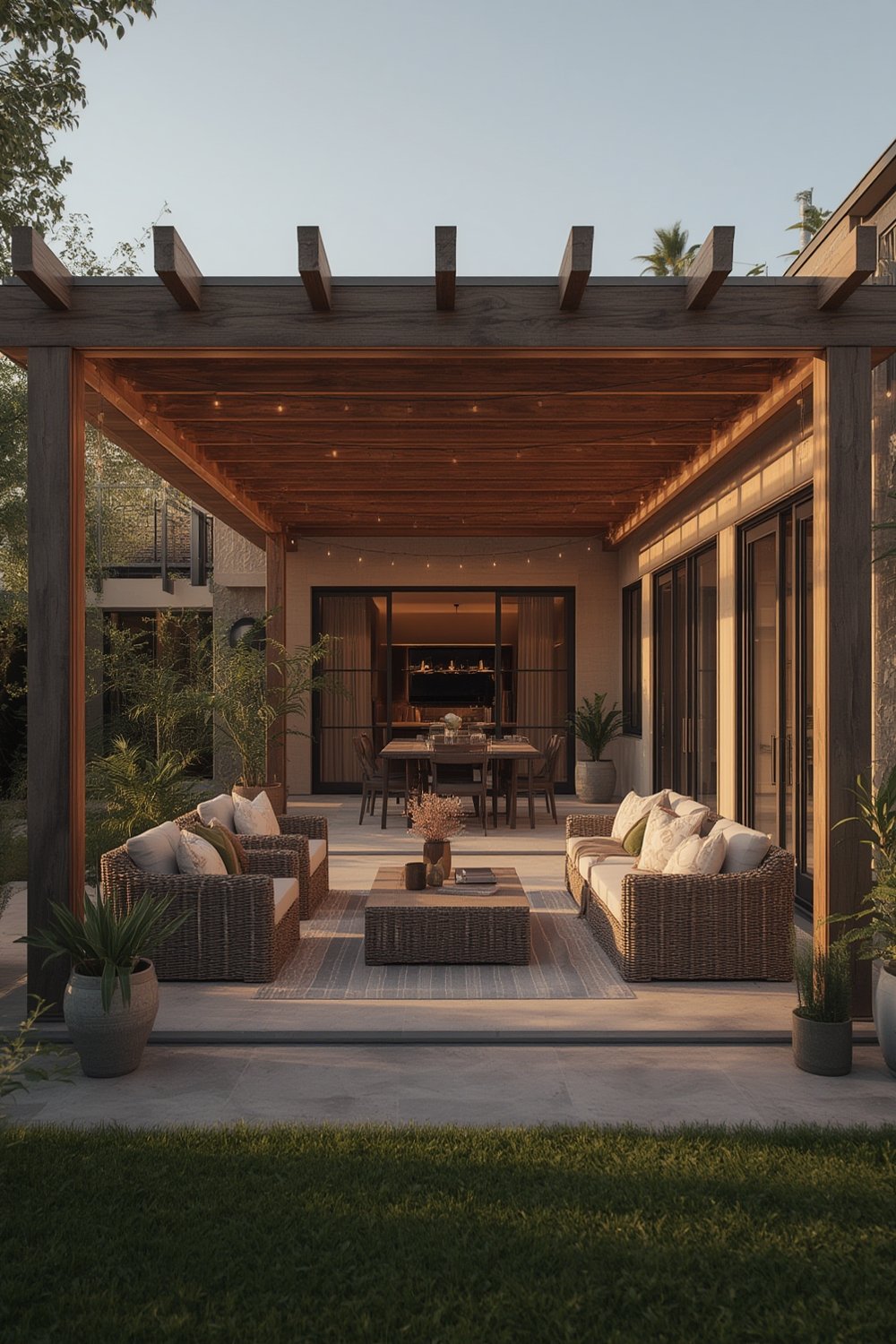
An outdoor covered patio is a paved or decked area adjacent to a house, featuring a permanent or semi-permanent structure overhead—like a roof, pergola, or awning—designed for shelter from sun and rain. The appeal is straightforward: these spaces deliver shade, boost comfort, protect from the elements, and extend the functional living space into your backyard. In 2024, over 61% of new homes included patios, and covered patios now top the list as the most popular outdoor living area type among homeowners and experts alike. Outdoor living demand surged 50% since 2020, turning patios from a luxury into an expected standard. Whether you want to entertain, cook outside, or create a relaxing environment for family and friends, a covered patio is often the foundation for all-season outdoor enjoyment and property value growth.
How to Plan and Build an Outdoor Covered Patio: Step-by-Step
Creating a well-designed outdoor covered patio is more than pouring concrete and propping up a roof. Successful projects require upfront planning, the right materials, and an understanding of your region’s climate and codes. Here’s how to go from an empty yard to a reliable outdoor living area:
- Define Your Goals and Use Cases: Determine what activities this space will support—dining, lounging, grilling, working, or all of the above. The function dictates layout, size, and features. For inspiration on achieving a practical and stylish design, check out this outdoor design guide.
- Review Local Codes and HOA Guidelines: Before drawing up plans, check setback rules, coverage ratios, and materials restrictions, which can vary widely regionally. Permits are usually required.
- Choose a Patio Location and Size: Maximize usability by considering access points, sunlight, and wind exposure. In warmer regions, positioning for extra shading delivers greater comfort, while northern areas may prioritize protection from snow or rain. Average new patios range from under 200 square feet in the South to 400+ square feet in the Midwest (source).
- Select a Cover Type and Materials: Options include solid roofs, louvered pergolas, awnings, or hybrid structures. Materials matter—composite and treated wood dominate in cold or warm climates, while concrete is common in the Pacific. Demand for low-maintenance, weather-resistant options like recycled composite is rising fast (source). If you want to go the extra mile, modern covers can include integrated lighting, climate-control, and weather sensors. Read about next-gen features in this outdoor kitchen installation guide.
- Prepare the Base: Excavation and foundational work are critical. A sub-par base leads to sinking and cracking.
- Frame and Install the Cover: Hire a professional or use a proven DIY kit. Louvered pergolas require level installation and precise assembly for water resistance. Consider integrating eco-friendly decking; see this composite decking guide for tips.
- Seal and Weatherproof: Proper seals, coatings, or flashing are essential for water management and longevity. This is especially important if your area faces heavy rain, snow, or shifting temperatures.
- Furnish, Light, and Accessorize: Outdoor lighting, furnishings, and decor complete the space. Smart features, heaters, and roll-down screens are common upgrades. For more ideas on outdoor transformations, see this landscaping services guide.
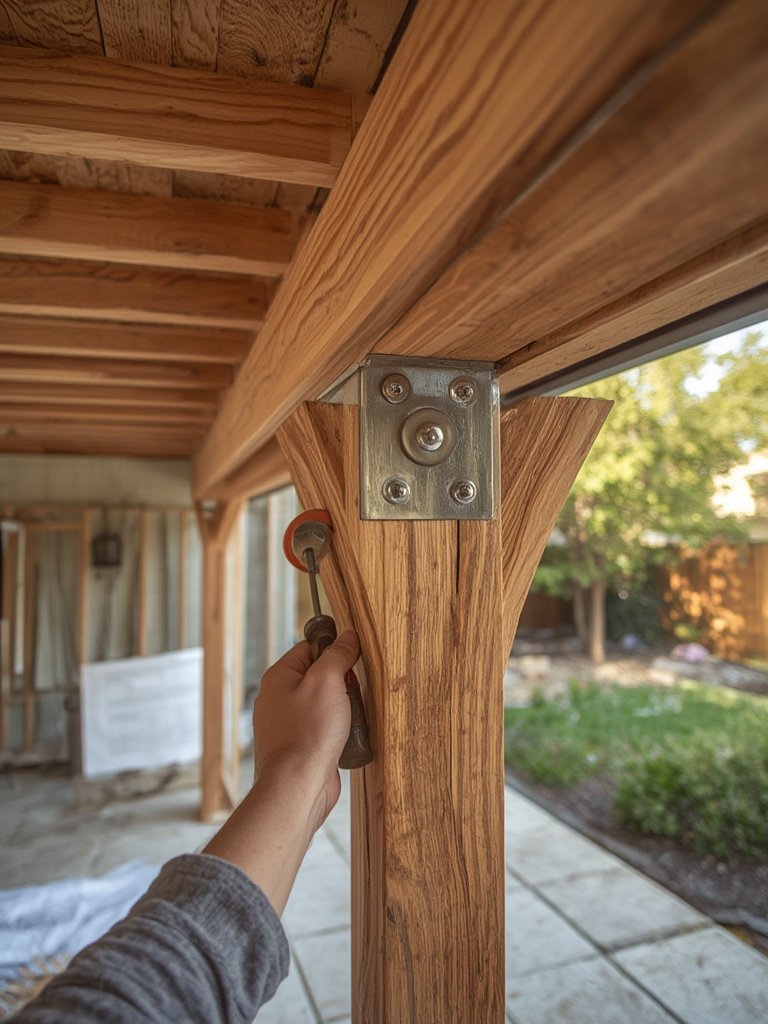
These steps aren’t just for new builds. Upgrading an existing patio with a weather-resistant cover can often be done in a single weekend, especially with modern modular systems and smart attachments. If your dream patio will include outdoor cooking, see how to integrate a weatherproof kitchen for all-season dining.
Advanced Analysis & Common Pitfalls
Most covered patio projects look great on day one—but real-world use and changing seasons quickly reveal weaknesses. Based on industry and construction reports, here are the major pitfalls worth considering:
- Underestimating Climate Effects: Material and design must match local sun, wind, and precipitation. For instance, poorly installed wood structures may warp or rot in humid regions while unsealed composites can crack in freezing climates.
- Poor Drainage or Flashing: Lack of proper water management leads to leaks, puddles, or erosion—the number one culprit in patio failures over time.
- Ignoring Regional Codes: Overhang size, snow load, and setback requirements can kill a project or cost thousands in modifications if overlooked.
- Choosing the Wrong Cover Type: Fabric awnings or budget pergolas often cannot stand up to severe storm events, resulting in expensive repairs.
- Maintenance Surprises: All coverings require periodic cleaning and inspection. Even “maintenance-free” materials may need attention after wind, hail, or debris events.
| Cover Type | Durability | Weather Resistance | Maintenance Level | Best for Region |
|---|---|---|---|---|
| Solid Roof (Metal/Composite) | Excellent | High | Low | All climates |
| Louvered Pergola | Good – Excellent | High, if sealed | Medium (annual service) | Mild to moderate climates |
| Fabric Awning | Fair | Moderate (UV & rain only) | High (replace/cleaning) | Mild regions, budget installs |
| Traditional Wood Cover | Good | Moderate | Medium-High (annual treatment) | Warm, dry climates |
The takeaway? Every region and use case is different. For reliable long-term results, match your cover to local climate, usage, and aesthetic preferences. For those considering a broader yard transformation, partnering with landscape pros offers turnkey solutions and can coordinate code compliance, grading, and materials selection.
Conclusion
Investing in an outdoor covered patio is no longer a luxury reserved for a few. It’s a practical way to expand your livable space, enjoy nature in all seasons, and add genuine resale value—provided you plan for your local climate, select the right materials, and invest in resilient, weather-smart design. With innovations like automated shading and eco-friendly composites, today’s covered patios outperform their predecessors, making now the perfect time to explore your options. If you’re ready to start your own outdoor covered patio project, consult a local installer or designer to make sure your vision is perfectly matched to your home, region, and budget. Want even more backyard inspiration? Discover expert outdoor upgrades with these landscaping services.
FAQ
What’s the best material for an outdoor covered patio in wet climates?
Composites or concrete are the top choices for patios in wet climates. They resist rot, mold, warping, and are generally low maintenance.
Do I need a building permit for a covered patio?
Most regions require permits for permanent structures, especially those attached to your home. Always check with your local building department before starting construction.
How long does it take to install an outdoor covered patio?
Smaller modular covers or pergolas can be installed in a few days. Custom solid-roof patios often take one to three weeks, depending on complexity and weather delays.
Is a louvered pergola worth the cost?
Louvered pergolas offer controllable shade and weather protection. They’re especially valuable in areas with variable weather, but their higher upfront cost only pays off if you use the adjustable features regularly.
Can I convert an existing deck into an outdoor covered patio?
Yes, in many cases. The main factors are deck structural strength and whether local codes and setbacks allow adding a permanent cover. Professional assessment is recommended.
