


Biophilic design home is rapidly gaining attention among homeowners seeking more natural, healthy, and restorative living spaces, but practical challenges are often overlooked. Let’s break down how to bring nature indoors, avoid costly pitfalls, and make biophilic design work for every home.
Key Takeaways
- Biophilic design promotes wellbeing by connecting your home to nature but can involve hidden costs and maintenance challenges.
- Many homeowners underestimate ongoing upkeep, sustainability, and access to affordable natural alternatives.
- Simulated natural materials and smart layout decisions make biophilic design achievable and practical for more budgets.
- What Is Biophilic Design and Why Use It at Home?
- Step-by-Step Guide: Bringing Biophilic Design Home
- Advanced Analysis & Common Pitfalls
- Conclusion
- Frequently Asked Questions
What Is Biophilic Design and Why Use It at Home?
Biophilic design is the practice of weaving natural elements into indoor spaces, creating an environment that feels connected to the outdoors. Core strategies include maximizing natural light, incorporating greenery, using raw or natural-like materials, and designing for views of nature. The goal? Improved health, reduced stress, and a calmer atmosphere.
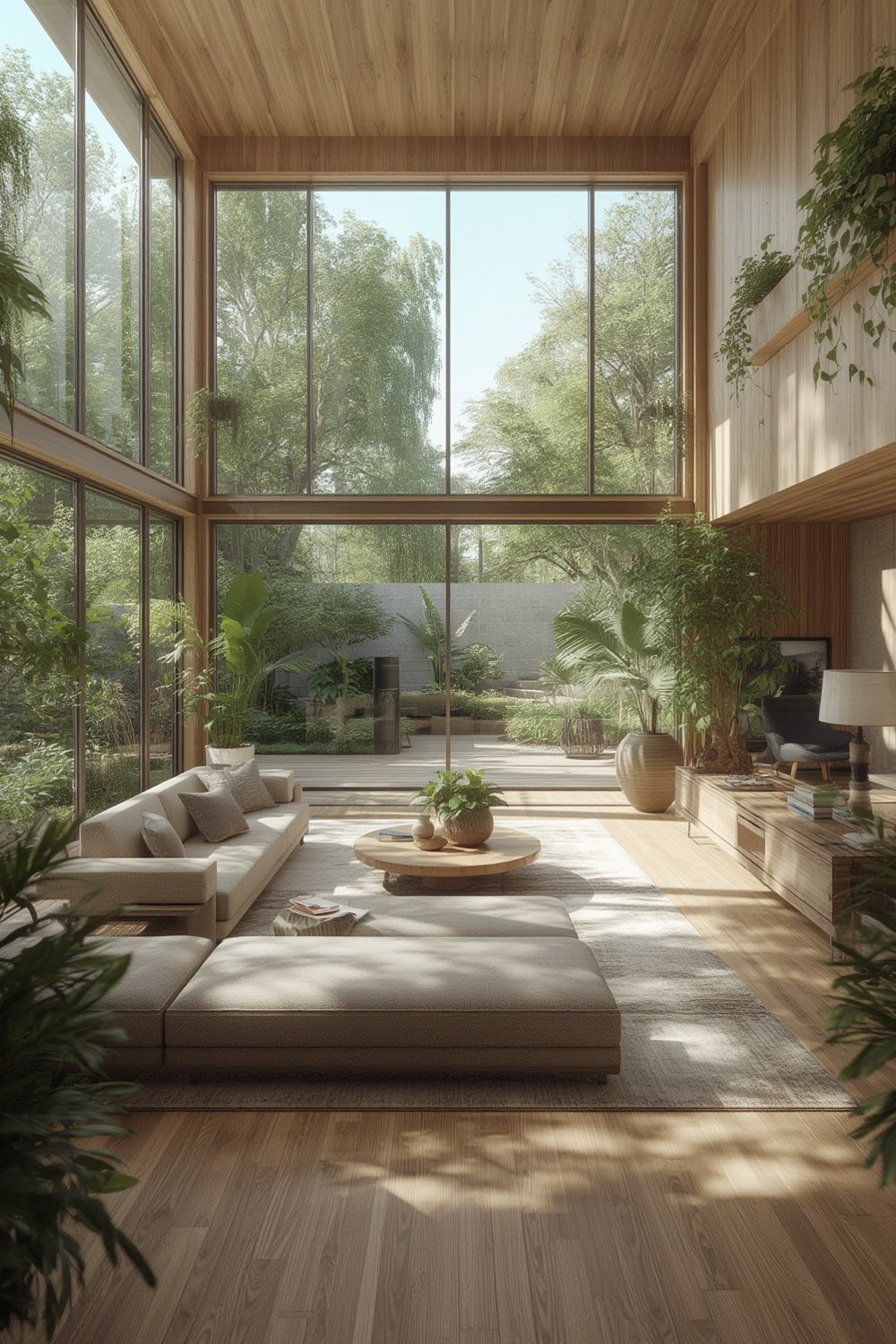
While there’s broad agreement that biophilic design supports better wellbeing, specific scientific data in 2024 remains limited. However, many designers cite benefits such as increased happiness, focus, and mental calm through natural light and elements.
See this resource for a deep dive on recent challenges and innovations.
This movement goes beyond style—it’s about function. Biophilic design can foster relaxation, mindfulness, and a sense of natural balance at home. But, as you’ll see, long-term success depends on making practical, sustainable, and realistic choices.
Step-by-Step Guide: Bringing Biophilic Design Home
-
Assess Your Home’s Natural Light
Identify spaces that get daylight. Before renovating, note how sunlight enters different rooms. Consider using lighter window treatments or strategically placed mirrors to enhance brightness. -
Start with Affordable Greenery
Choose easy-care, local plants instead of rare tropical varieties. Snake plants and pothos are reliable and tolerate various light conditions, making them ideal for beginners. -
Choose Materials Wisely
While real wood feels wonderful, advances in simulated wood and stone now offer nearly identical aesthetics, better durability, and much lower costs.
2024 trends highlight reclaimed wood, crafted stone, and water features. -
Integrate Water and Nature Sounds
Small tabletop fountains or sound machines can add the calming energy of water without high installation costs. -
Plan for Maintenance
Consider time and budget required for plant care, dusting, and repair. Factor in the real costs of long-term upkeep. -
Make Layout Mindful
Arrange furniture to create open views to windows or green features. Remove unnecessary clutter so natural elements stand out. -
Opt for Sustainable, Scalable Solutions
Where possible, choose products with third-party eco certifications, or look to simulated natural finishes that avoid off-gassing and reduce the need for frequent repairs. -
Boost Outdoor Connections
Upgrade patios, balconies, or even window boxes for an indoor-outdoor feel. For more on expert outdoor transformations, see Finding Expert Landscaping Services Near Me: Enhance Your Outdoor Space.
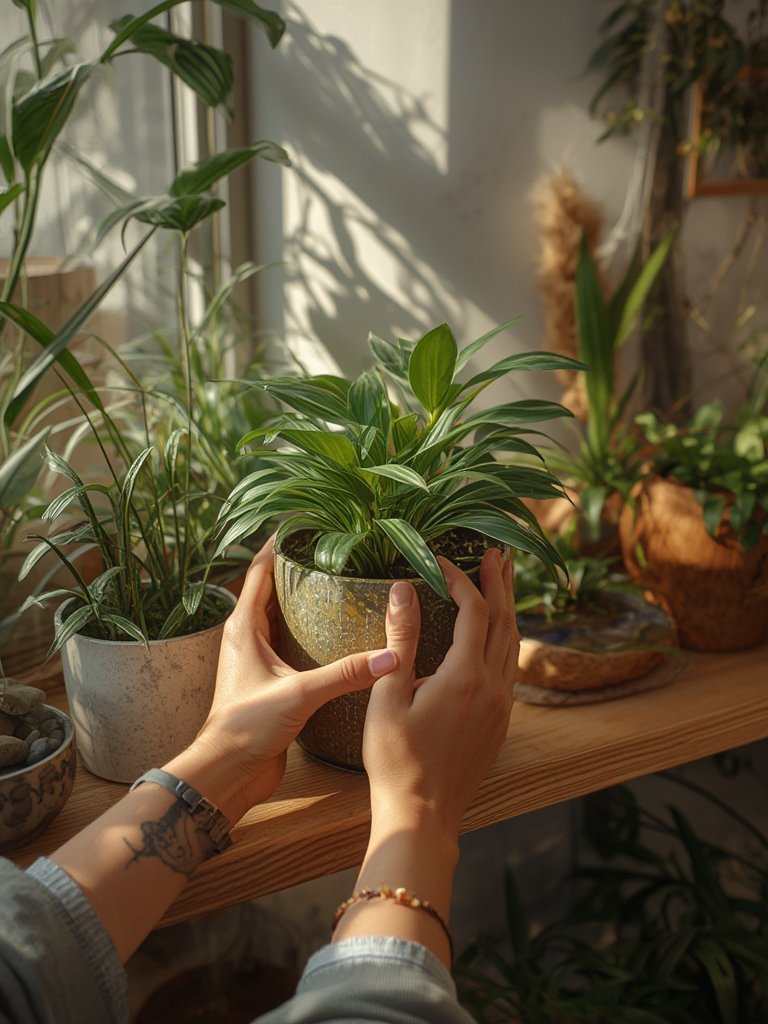
For eco-friendly decking or patios that don’t demand ongoing staining and can weather the seasons, look into composite decking installation. This simulated solution gives you the biophilic look outside, with far less maintenance than real wood.
Another effective strategy: use strategically placed smart thermostats to regulate light and temperature for your indoor greenery. Explore full smart climate options by reading smart thermostat installation tips.
Advanced Analysis & Common Pitfalls
Integrating biophilic design into homes isn’t always straightforward. There are real downsides if you don’t plan carefully.
Long-Term Maintenance Issues
Genuine natural materials often require regular upkeep—sealing, refinishing, or replacing after wear. Plants may need daily care and easily die if neglected, leading to wasted investments and frustration.
Sustainability & Accessibility Gaps
Imported hardwood at $30+ per square foot or expansive window installations can skyrocket initial project costs. These choices may not be environmentally friendly or feasible for most homeowners.
Limited Awareness of Alternatives
Many still think ‘simulated’ materials look cheap, even though 2024 options offer realistic textures with low maintenance and no harmful off-gassing. Limited familiarity with these advances can keep you from saving thousands over the lifetime of your renovation. Check this analysis on scalable biophilic solutions.
| Approach | Initial Cost | Maintenance | Sustainability | Common Pitfalls |
|---|---|---|---|---|
| Genuine Natural Materials | High (e.g. $30+/sq ft for hardwood) | Time intensive; can exceed purchase cost over time | Potentially low if imported/rare | Wear, repair costs, fading, humidity issues |
| Simulated Natural Materials | Low–Moderate | Minimal (resistant to rot, staining, pests) | High if made from recycled content, no off-gassing | Poor choice if visual quality is low; avoid the cheapest versions |
| Plants & Living Features | Low–High (varies by species/scale) | Ongoing watering, pruning, replacement | Depends on sourcing | Neglect leads to dead plants, mold risk, bug infestations |
To maximize your investment, it’s essential to research and source wisely. Some homeowners discover that the total upkeep cost of real materials or intensive green installations actually exceeds their original renovation budget after a few years.
If you want to transform your garden or outdoor areas, consider reading Finding the Best Landscaping Services Near You for Stunning Outdoor Transformations, which breaks down how to hire professionals for eco-driven upgrades.
Conclusion
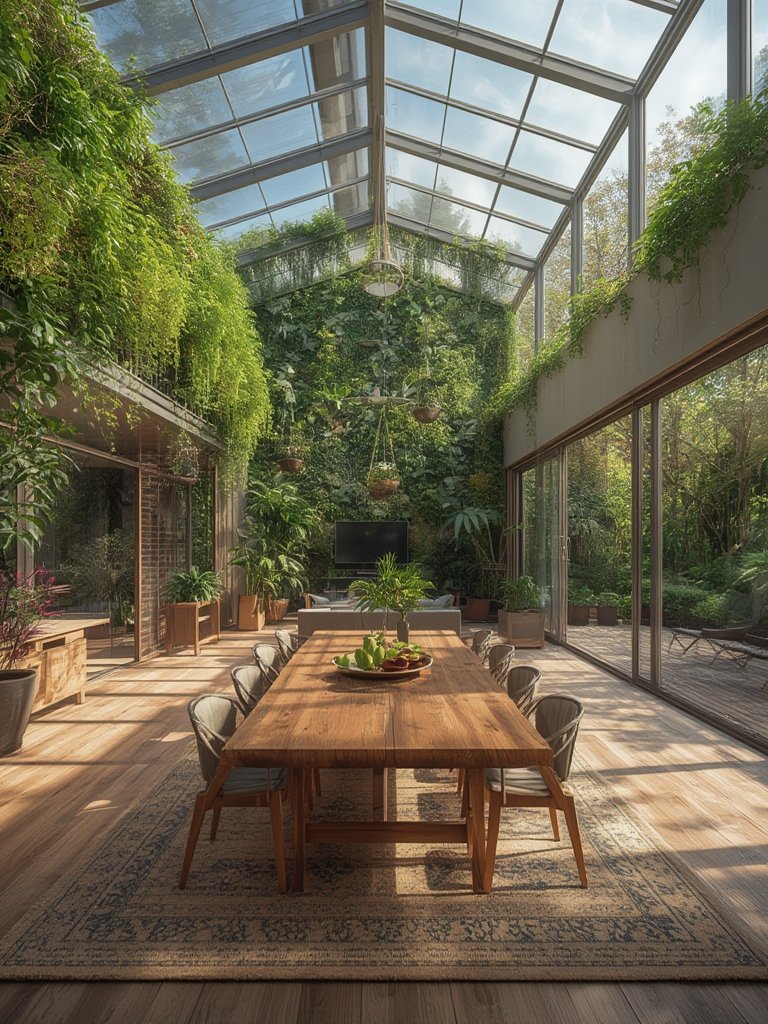
Biophilic design has real power to enhance the way you live, but its magic lies in the details. By choosing sustainable and scalable materials, planning for the long-term, and learning about today’s high-quality alternatives, anyone can create a biophilic design home that feels restorative without overwhelming their budget.
Ready to begin? Apply these strategies to your next project—choose one zone to transform and see how biophilic design home principles change the feel of your space. For more inspiration, check guides on outdoor kitchen installation and cold plunge pool wellness features.
Frequently Asked Questions
Is biophilic design expensive for the average homeowner?
Costs vary widely. Real natural materials like imported wood can be expensive ($30+ per square foot), while simulated materials and local plants dramatically reduce spending. Strategic choices can bring biophilic design within reach of most budgets.
What are the easiest ways to start biophilic design at home?
Start with indoor plants that suit your light levels and use simulated wood or stone finishes for accent walls. Arrange furniture to maximize daylight and natural views, and add water features for calming ambience.
How do I maintain a biophilic home without high upkeep?
Opt for hardy, low-maintenance plants and simulated materials that are scratch- and moisture-resistant. Factor in automated watering systems or self-watering planters to simplify care routines.
What should I avoid when planning a biophilic design home?
Avoid overcommitting to costly natural materials that need frequent repairs, or filling the space with demanding plants you can’t realistically care for. Also, don’t ignore the potential of high-quality synthetic options.
Does biophilic design really improve wellbeing?
While formal 2024 scientific data is still emerging, most designers and users report calmer, happier, and more focused living spaces as a result of connecting the home with nature.
