


Biophilic design home is more than a buzzword—it’s a proven approach that brings nature-inspired elements into your living space for tangible wellness and mental health benefits. Today’s homeowners are searching for actionable, realistic ways to create these health-supporting environments at home, but mainstream advice often overlooks real-world challenges, ROI insights, or technical advances. Here’s what you need to know if you want to transform your home using nature’s power—without the fluff or the hype.
Key Takeaways
- Biophilic design at home delivers measurable wellness and mental health improvements, supported by science.
- Realistic challenges include maintenance, sourcing materials, balancing costs, and scaling solutions for daily life.
- Integrating smart technology and following practical, stepwise strategies maximizes benefits and minimizes frustration.
- The Core Concept: What Is Biophilic Design Home?
- Step-by-Step Guide: Bringing Biophilic Design Home
- Advanced Analysis & Common Pitfalls
- Conclusion
- FAQ
The Core Concept: What Is Biophilic Design Home?
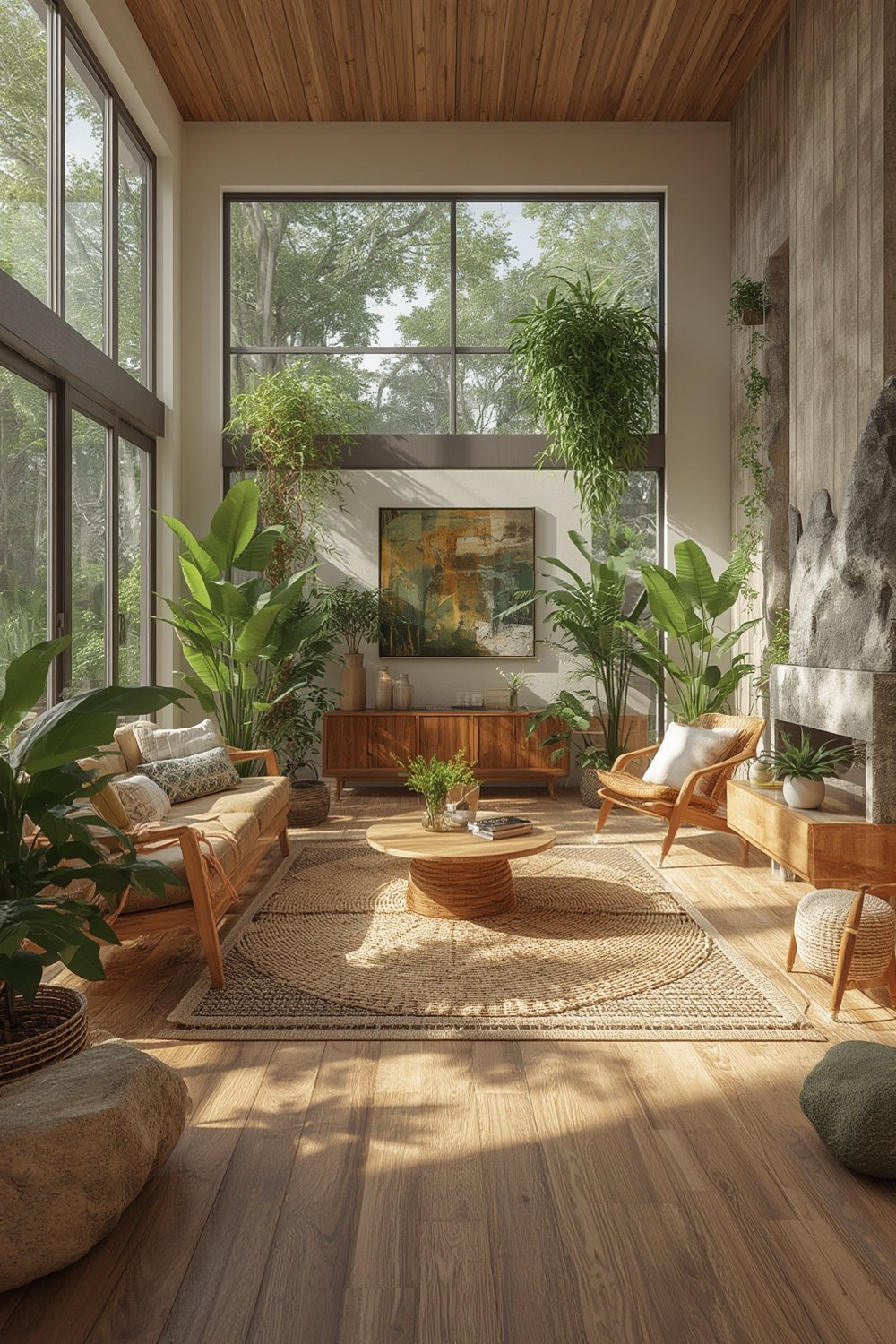
Biophilic design home means thoughtfully integrating nature—like plants, natural light, materials, and organic shapes—into residential interiors to nurture our physical and mental wellbeing. This isn’t about scattering a few potted plants—it’s a holistic design philosophy rooted in science.
A 2024 systematic review of 13 years of studies finds that environments with biophilic elements (plants, natural materials, outdoor views, sunlight) directly reduce stress, anxiety, patient harm, and even lower mortality and pain in clinical settings. These benefits translate to the home: plants and nature-inspired materials can reduce your heart rate, lower blood pressure, and boost mood.
But biophilia isn’t just about wellness. Nature-inspired interiors create spaces that feel welcoming, calming, and inspiring—qualities missing from sterile, all-white or “trendy” industrial design trends. If you want a home that truly feels like a refuge, biophilic principles are the foundation.
Step-by-Step Guide: Bringing Biophilic Design Home
Below is an actionable roadmap to start or refine your biophilic design home journey.
-
Assess Your Space and Needs
Walk through your home. Where do you feel least relaxed? Where is natural light or outdoor views lacking? Identify these “pain points” first. -
Maximize Natural Light
Rearrange furniture and remove heavy drapes. If lighting is poor, consider full-spectrum LED bulbs to mimic natural sunlight, or install smart lighting that adapts with the time of day. -
Bring In Greenery—The Smart Way
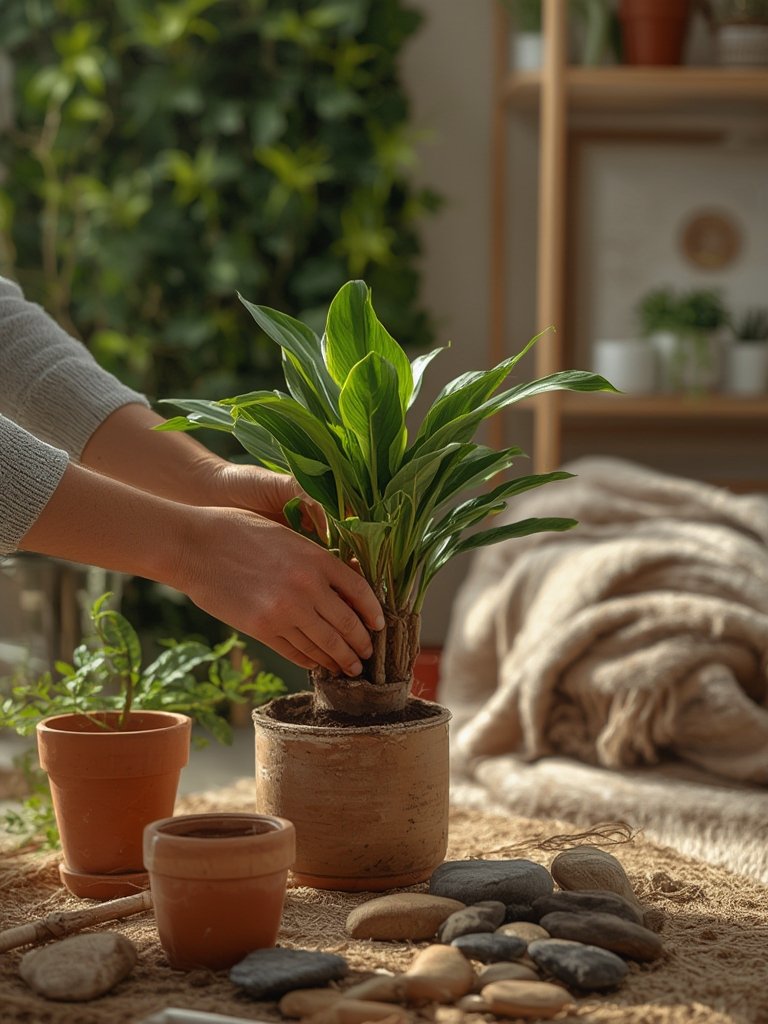
While studies confirm any indoor plants help (see research), low-maintenance options like snake plant, pothos, or ZZ plant require little care but deliver big results on stress and air quality. Start with a few, monitor their needs, and scale up.
Expert landscaping advice can also extend these principles to your outdoor living spaces. -
Integrate Natural Materials
Choose real wood (look for FSC or reclaimed), bamboo, clay, wool, or natural stone where possible. Seek sustainability certifications to ensure ethical sourcing. Start small—replace a coffee table, add a reclaimed wood shelf, or swap out factory-made for hand-crafted decor. -
Connect with Outdoor Views
If privacy is a concern, install sheer curtains. Use mirrors opposite windows to amplify outdoor greenery and daylight. French doors or even a picture window in a focal gathering space can make a major impact on your daily wellbeing. -
Automate and Maintain with Tech
Many forget that maintenance is the most common stumbling block. New tech—from smart sensors that water and monitor plants, to humidity and air quality monitors—make daily upkeep simple. Smart home installers can help integrate these devices easily. -
Personalize with Art, Sound, and Scent
Finish your space with nature-inspired artwork, gentle water features, or natural essential oils diffusers programmed via your home automation system for subtle, seamless biophilia. Even nature-soundscapes piped through connected speakers add value.
For innovative approaches, the latest Ecotonal Design trend is merging smart technology (like analog sunrise simulators, adaptive lighting, and live plant sensors) with biophilic principles. This helps your wellness features scale along with your evolving needs.
If you’re embarking on a more comprehensive remodel (like a wellness-focused bathroom upgrade or outdoor kitchen installation), integrating biophilic concepts from the start ensures better outcomes and lower stress.
Advanced Analysis & Common Pitfalls
Not every biophilic design home project goes smoothly. Here’s where most homeowners run into issues—and how to avoid them.
-
Maintenance Overload
Without automation, manually caring for plants or maintaining natural materials can quickly become tedious. Missed watering or poor lighting kills motivation—and your greenery. -
Cost and ROI Ambiguity
Most online guides fail to break down costs clearly. While some biophilic upgrades—like potted plants or a reclaimed wood shelf—are affordable ($50-$300), extensive renovations using high-end sustainable materials or professional landscaping often run into the thousands. Accurate ROI data for homes (not healthcare) is still limited. -
Poor Material Choices
Not all “natural” materials are equal. Bamboo may be cheap but can warp; reclaimed wood is eco-friendly but sometimes less durable; natural stone is long-lasting but costly and heavy. Local climate and your lifestyle dictate the best choices. -
Scaling Problems
Overcommitting leads to clutter and neglect—keep things modular and flexible, and add only what you can realistically maintain. -
Tech Integration Frustrations
New automation tools—like plant sensors or adaptive lighting—show promise but frequently require careful setup and troubleshooting. Consider using a cross-platform smart home protocol like Matter for seamless integration.
| Material | Sustainability Certification | Maintenance | Durability | Estimated Cost (per sq ft) |
|---|---|---|---|---|
| Bamboo | FSC, Cradle to Cradle | Low (but moisture-sensitive) | Moderate | $4–$10 |
| Reclaimed Wood | FSC, regional eco labels | Moderate (prone to scratches) | Good (depends on species) | $7–$15 |
| Natural Stone | Varies, no universal standard | Low–Moderate (sealing needed) | High | $10–$35 |
*Indicative costs and certification info based on 2024 market research and supplier data. Actual pricing varies by region and supplier.
If you need expert help with outdoor transformation (including native plants and low-maintenance landscaping), check our guide on finding the best landscaping services near you.
Conclusion
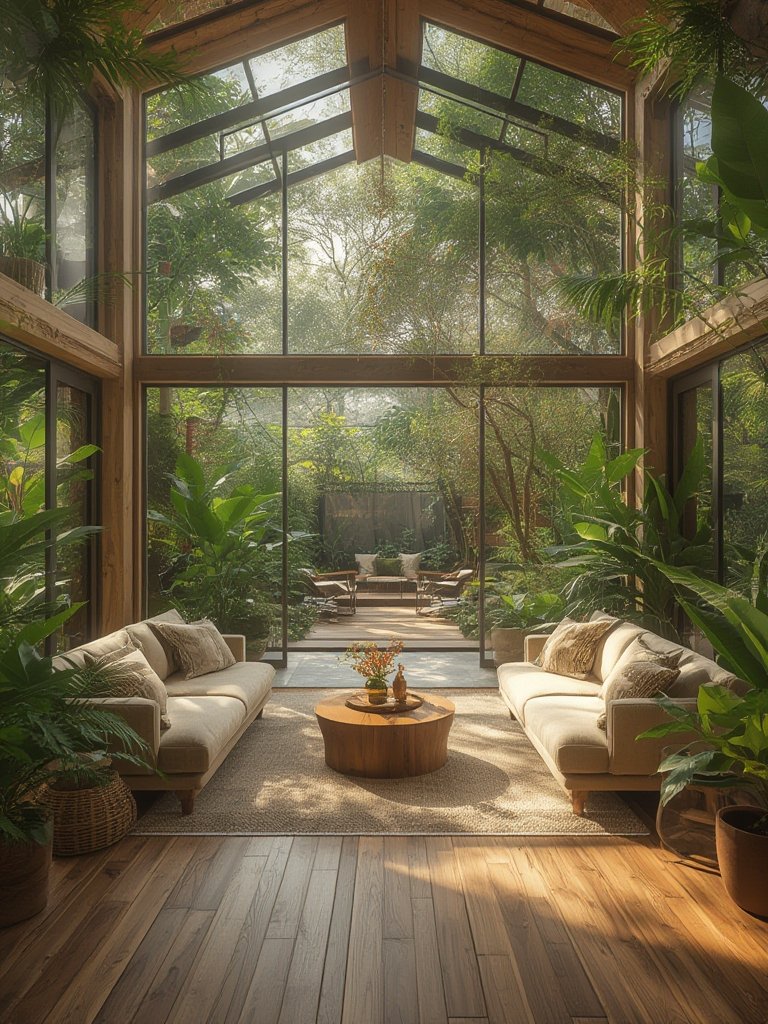
Biophilic design home principles, when applied with intention and adaptability, deliver science-backed wellness results. The best approach is to blend modest, manageable upgrades—plants, light, natural textures—with modern smart home features to make daily wellness part of your routine. Address practical realities like maintenance and costs up front. When you’re ready, turn to professional guidance or tech-enabled solutions to scale your biophilic transformation.
Ready to create a biophilic design home that truly supports your health, happiness, and everyday quality of life? Take the next step—assess, plan, and start implementing nature-inspired changes today for a sanctuary you’ll love.
FAQ
What are the easiest low-maintenance plants for biophilic design at home?
Some of the most forgiving, health-supporting indoor plants include snake plant, pothos, ZZ plant, and peace lily. These require very little attention, tolerate indirect light, and have proven stress reduction benefits.
Do biophilic interiors cost a lot to create?
Not necessarily. Simple changes—like adding a few quality plants, introducing reclaimed wood shelves, or maximizing sunlight—can cost as little as $50–$500. Large-scale renovations or premium sustainable materials can raise costs into the thousands, but phased approaches keep the project budget-friendly.
How can technology help maintain biophilic home features?
Smart sensors, automated lighting, self-watering planters, and voice-controlled environmental controls simplify plant care and adapt lighting to mimic natural cycles. Modern systems also help maintain optimal humidity for both plants and people.
Are all natural materials suitable for every climate?
No. For example, untreated bamboo may swell in humid areas, while some reclaimed woods need extra sealing in dry climates. Always consult local suppliers or experts before selecting large installations.
Can I get professional help for outdoor biophilic features?
Yes. If you want to blend indoor and outdoor wellness, consult professional landscape services to ensure native, low-upkeep choices.
