


Outdoor fire pit installation is quickly becoming one of the most popular upgrades for homeowners who want to transform basic yards into year-round gathering spaces. With more Americans spending time outside than ever, and fire features at the top of wish lists, the right installation can boost relaxation, property value, and usability in almost any backyard.
Key Takeaways
- The outdoor fire pit market is booming, with over 38% of US homeowners planning an installation or similar upgrade by 2025.
- New trends emphasize eco-friendly materials, smart features, and modular designs that suit various backyards and budgets.
- Proper planning—especially code compliance and fuel selection—is crucial for a safe, successful outdoor fire pit installation.
- What Outdoor Fire Pit Installation Means (And Why It Matters)
- Step-by-Step Guide to Outdoor Fire Pit Installation
- Advanced Analysis & Common Pitfalls
- Conclusion
- Frequently Asked Questions
What Outdoor Fire Pit Installation Means (And Why It Matters)
Installing an outdoor fire pit is far more than simply adding a decorative flame to your backyard. It’s a targeted investment that fundamentally shifts how you use and value your exterior space. According to the latest research, the global fire pits market reached $7.7 billion in 2024 and is projected to nearly double by 2034, with North America leading due to surging demand for usable outdoor living areas (Market.us). In the US, 38% of homeowners plan to add fire pits or outdoor heaters for outdoor living, with 87% agreeing these features enhance property value.
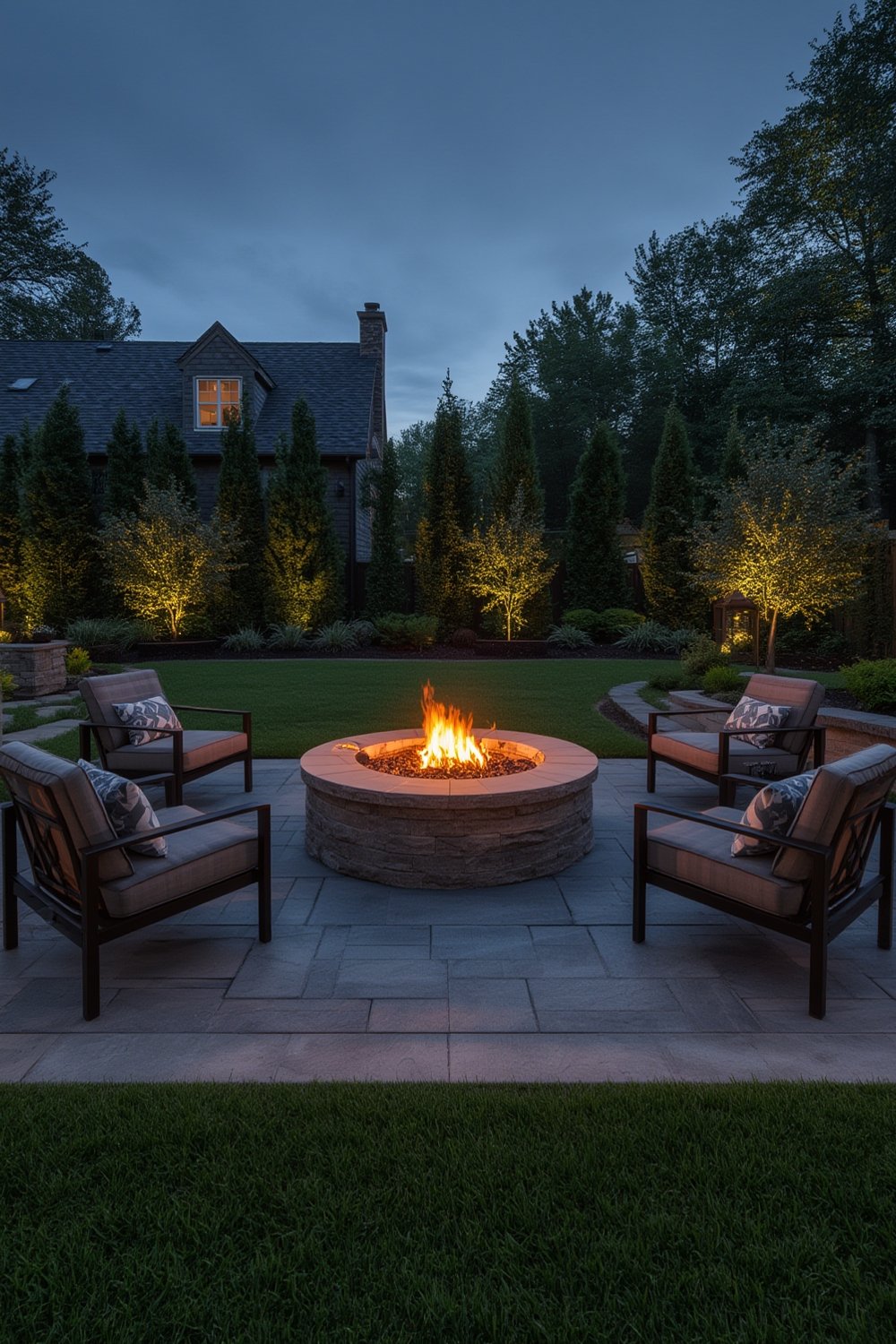
Fire pit installation offers multiple benefits:
- Extended outdoor use: Enjoy your patio even in cooler months.
- Social gathering hub: Create a focal point for entertainment and relaxation.
- Property value: Boost curb appeal and marketability—features that buyers are prioritizing.
The key is making informed decisions, from picking fuel type and design to staying legally compliant throughout the process. If you want to enhance your entire yard, see our guide on finding expert landscaping services.
Step-by-Step Guide to Outdoor Fire Pit Installation
Installing an outdoor fire pit is a manageable project for many homeowners, but a safe, long-lasting result demands careful planning and execution. Below is a proven step-by-step approach:
-
Visualize and Plan the Space
- Assess your backyard layout: Stay at least 10-15 feet away from your home and overhanging trees.
- Decide on fire pit style: Permanent (stone, brick, concrete) or portable (metal, composite). Modular fire pits are growing in popularity for their flexibility and reduced installation times.
- Think through usage: Is this a cosy gathering spot or an accent to a larger outdoor kitchen? If you’re interested in integrating your fire feature with premium outdoor amenities, our outdoor kitchen installation guide details the latest in alfresco design.
-
Choose Your Fuel Type
- Wood-burning: Traditional ambiance but requires regular cleaning and produces smoke.
- Natural gas or propane: Clean, instant-on flames, but may require professional gas line installation and inspection.
- Smokeless and eco-friendly: New for 2024, smokeless fire pits and electric options offer hassle-free operation and minimal environmental impact (PR Newswire).
-
Check Codes, Permits, and Utilities
- Investigate all local building and fire codes.
- Get HOA approval if required.
- “Call Before You Dig” to mark underground lines before beginning site work.
-
Site Prep and Foundation
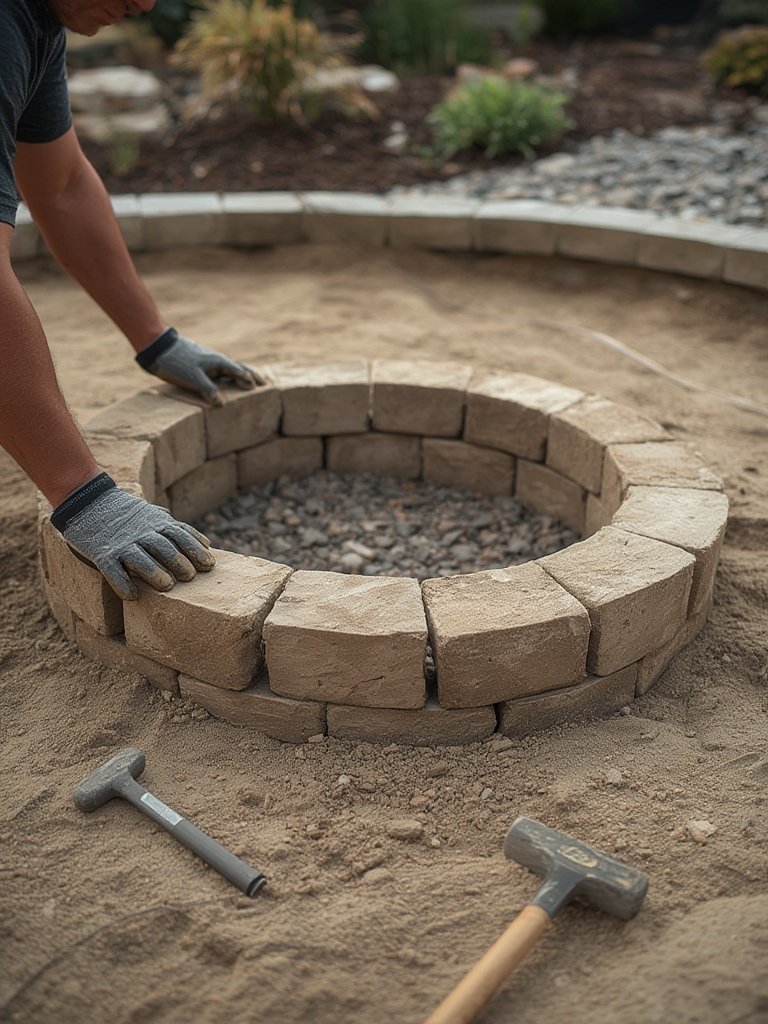
- Clear the area and ensure a flat, stable base, using gravel or a concrete slab.
- Install barriers if needed to keep embers in check and children safe.
-
Professional vs DIY Installation
- Permanent natural gas or custom masonry fire pits usually require professionals, due to code and safety complexity.
- DIY kits are widely available for basic wood or propane pits—just ensure they’re certified for safety.
-
Final Installation and Safety Check
- Inspect connections and stability before lighting your first fire.
- Add safety screens, seating, and surrounding pavers or gravel to complete the look.
-
Ongoing Maintenance
- Clear ash, debris, and residue regularly.
- Check fuel lines (for gas setups) annually for leaks and damage.
For projects where yard grading or design transformation is required, partnering with a professional landscape service ensures site drainage, plantings, and your new fire pit work in harmony.
Advanced Analysis & Common Pitfalls
Even experienced homeowners—and many pros—often underestimate the subtle complexities of outdoor fire pit installation. According to market research, top user complaints aren’t well-documented, but several problems routinely surface on forums and in post-project surveys:
| Aspect | Common Pitfalls | How to Avoid |
|---|---|---|
| Fuel Choice | Unexpected smoke (wood), expensive fuel bills (propane), gas line leaks | Choose certified units, get professional gas line help, and consider smokeless models (source). |
| Permitting | Fines, forced removal, insurance claim denials | Check with city and HOA before starting; get everything in writing. |
| Safety & Placement | Too close to structures or trees; trip/fall hazards; child safety lapses | Follow minimum setback requirements; use barriers or screens. |
| Maintenance | Ash/soot buildup; blocked gas lines; cracked stone from freeze-thaw cycles | Regular cleaning; cover the unit in winter; annual inspection for gas models. |
| Long-Term Durability | Rust or discoloration; low-quality pre-fab kits fail | Prioritize high-quality materials like stainless steel, copper, or stone (Market.us). |
Insider tip: Smart fire pits and new modular units offer Wi-Fi, Bluetooth, or voice control to manage flames, lighting, and even safety shutoffs. While they cost more up front, they can help overcome user experience and maintenance issues common with older models (see 2024 innovation trends).
If your project will require a new patio or composite deck, our composite decking installation guide covers durable, eco-friendly surfaces that hold up beautifully under a fire feature.
Conclusion
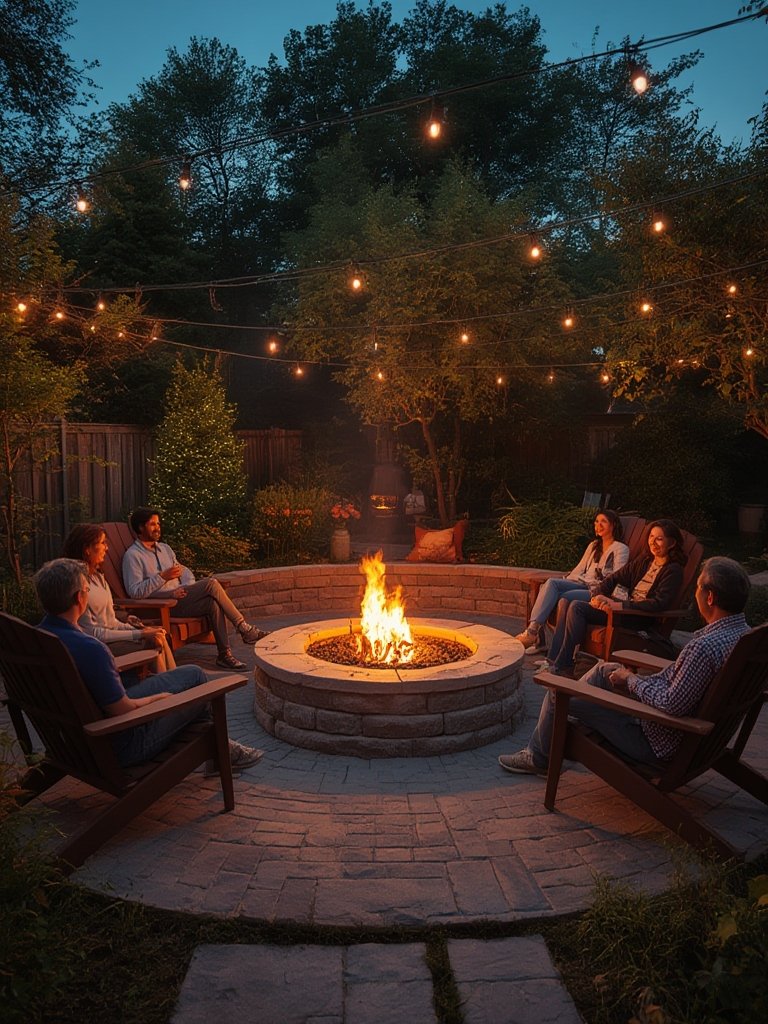
Done right, outdoor fire pit installation turns basic backyards into vibrant, functional living spaces that deliver social, economic, and personal returns. With market growth showing no sign of slowing, and new design trends favoring eco-friendly materials and tech innovation, now is the time to reconsider your yard’s potential. Remember: safety, fuel selection, and compliance come first. Plan ahead and source quality materials, and your fire pit will be a centerpiece for years to come. For more guidance on transforming your outdoor environment, check out our latest advice on finding the best landscaping services.
Ready to get started? Research your local codes and suppliers, or contact a trusted pro to tackle your outdoor fire pit installation this season!
Frequently Asked Questions
How close can I install a fire pit to my house or deck?
Most experts recommend keeping at least a 10-15 foot buffer between your fire pit and any structure, fencing, or overhanging trees. Always check your city or local codes for stricter minimums.
Do outdoor fire pits increase home value?
Yes, 87% of surveyed homeowners believe that a quality outdoor fire pit enhances property value and sale appeal. The market is growing rapidly as buyers prioritize versatile outdoor living spaces.
What’s the best fuel type for low-maintenance outdoor fire pits?
Natural gas and propane setups offer easy ignition and less mess, but require professional installation. New smokeless or electric models are gaining traction for being almost maintenance-free and more eco-friendly.
Is a permit required for building a backyard fire pit?
Often yes—especially for permanent, masonry, or gas-connected fire pits. Temporary or pre-fab units may be exempt, but always check your local building department and HOA before proceeding.
Can I install a fire pit on a composite deck?
It’s possible, but you need fire-resistant pads or pavers underneath, and the fire pit must be rated for deck use. See our composite decking installation guide for full precautions.
