


Multi-level deck design can transform not just your backyard, but the overall value and functionality of your entire home. With homeowner demand at an all-time high in 2024 and ROI numbers that beat most outdoor upgrades, it’s no wonder this ambitious project is catching on with everyone from beginners to luxury renovators.
Key Takeaways
- Multi-level deck design delivers superior ROI and faster home sales compared to single-level builds.
- Budgeting typically ranges from $15,000 to $65,000+, with composite and wood each offering unique advantages.
- Planning ahead for complex features and local codes is essential to avoid expensive mistakes.
- The Core Concept: What Makes Multi-Level Deck Design Special?
- Step-by-Step Guide: Planning and Executing Your Multi-Level Deck
- Advanced Analysis & Common Pitfalls
- Conclusion
- Frequently Asked Questions
The Core Concept: What Makes Multi-Level Deck Design Special?
A multi-level deck design takes the idea of a basic platform and turns it into a connected series of outdoor “rooms,” each tailored for different uses—dining, lounging, entertaining, or even adding a fire pit. Why go multi-level? Short answer: better ROI, enhanced lifestyle, and a dramatic first impression. A multi-tiered layout also maximizes sloped yards and integrates seamlessly with landscaping and features like sunken seating or covered patios.
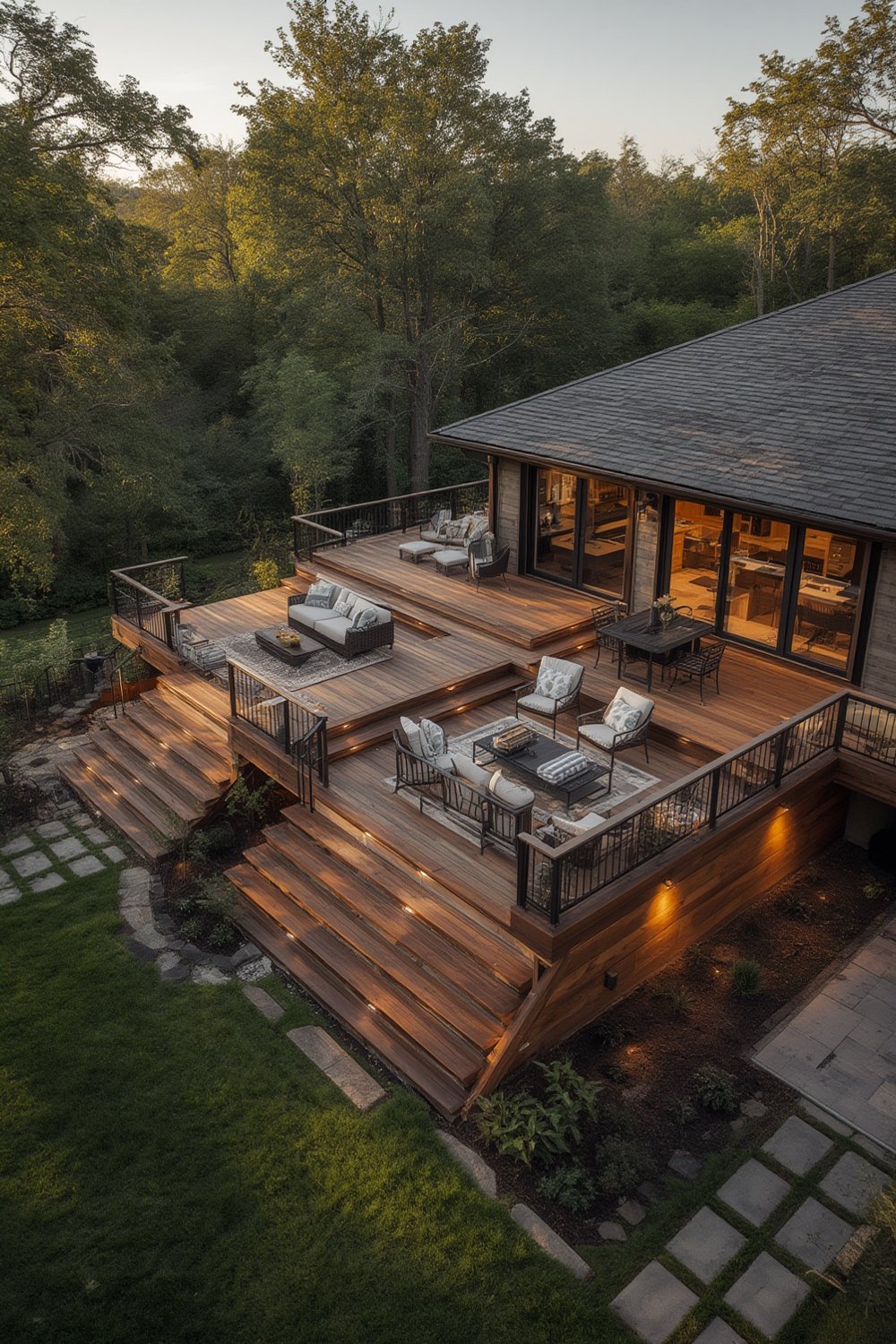
Recent reports show the global decks market has surged past $14 billion in 2024, with residential demand still rising. In North America, multi-level decks typically return 70-80% of your investment, compared to 55-70% for single-level decks. In hot markets, homes with modern, multi-tier outdoor spaces sell up to 20% faster and command a 3-5% price premium.
Unlike single platforms, these decks let you separate zones visually and functionally, working especially well for corner lots, slopes, or when you want to create different atmospheres for cooking, gathering, and relaxing. Materials like composite decking or engineered wood extend lifespan and simplify maintenance, as discussed in our composite decking installation guide.
Step-by-Step Guide: Planning and Executing Your Multi-Level Deck
Approaching a multi-level deck project means thinking through each phase—design, budgeting, permitting, build, and finishing details. Here’s how to set yourself up for success.
Step 1: Evaluate Your Site and Needs
- Assess your yard’s slope and sun exposure—multi-levels shine on uneven or sloped lots.
- Define your main activities: dining, lounging, grilling, play, etc.
- Walk through the yard and visualize the “flow” from indoors to outdoors and between the zones.
Step 2: Budget & Typical Costs
- Basic multi-level decks: $15,000 – $25,000 (ROI 65-72%)
- Mid-range: $25,000 – $40,000 (ROI 72-78%)
- Premium: $40,000 – $65,000 (ROI 75-85%)
- Materials are 40-50% of cost, labor/design 30-40%, permits/features 10-15% (regional variation applies)
See numbers from the DMV region: composite at $25,000 (62% ROI), wood at $19,000 (64% ROI).
Step 3: Design & Features
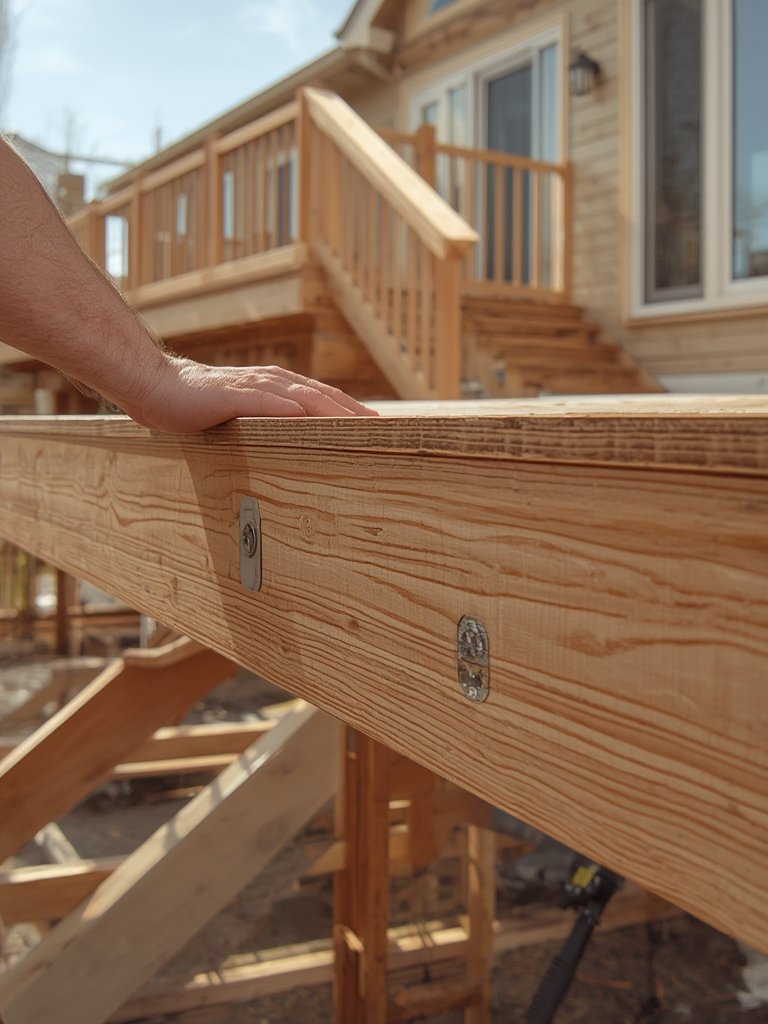
- Sketch layouts and mark heights of each deck tier—common height difference: 8–16 inches.
- Integrate features: sunken fire pit, outdoor kitchen (see our kitchen installation guide), covered patio (covered patio ideas), built-in seating, garden edges.
- Choose material: composite for low-maintenance, wood for warmth—see eco-friendly decking options.
Step 4: Permitting and Codes
- Regulations vary—always check with your city officials or hire a pro. Most municipalities require specific footing depth, railing specs, and structural tie-ins for multi-tier construction. Lack of permit info can delay resale or cause fines.
Step 5: Build in Logical Order
- Start with lower base deck to create stability for upper tiers.
- Install staircases and railings as each level is finished for safety.
- Double-check joist sizes and connections—multi-tiered decks transfer more load between levels.
Want professional help with landscaping or level transitions? Explore how expert landscaping services can maximize your results.
Step 6: Final Touches & Maintenance
- Seal wood portions for added durability; composite usually needs only simple cleaning.
- Stagger annual maintenance—focus first on upper decks, stairs, and any spots prone to pooling water.
- Consider investing in lighting or smart home integration for enhanced safety and usability at night.
For more project ideas, see our functional outdoor design guide.
Advanced Analysis & Common Pitfalls
Even with a clear vision, multi-level deck design can present significant challenges. Here’s what often goes wrong—and how to avoid it.
| Issue | Potential Impact | Solution or Prevention |
|---|---|---|
| Complex Drainage | Water pooling between levels, warping, mildew on lower decks. | Integrate drainage slopes and under-deck systems at design stage. |
| Structural Load Transfer | Joist/foundation failure, sway, or cracks from improper support. | Use correctly sized beams; consult a structural engineer when in doubt. |
| Poor Transition Flow | Awkward steps, tripping hazards, disjointed traffic flow. | Stagger stairs, use integrated planters/benches, avoid steep drops. |
| Permit & Code Issues | Work delays, fines, reduced resale value, insurance problems. | Secure all permits, follow local codes on footings and railing. |
| Maintenance Overload | Deck ages poorly if not maintained; re-sealing and repairs add up. | Choose composite for tough spots; create a yearly maintenance checklist. |
| Incomplete Integration | Deck looks out of place with landscaping, awkward to access yard/garden. | Plan landscaping at the same time, or hire a professional. See yard makeover strategies. |
Not every home or lot benefits from going multi-level. If your lot is completely flat or exceptionally small, the project might add more complexity than value.
Some user pain points include cleaning between levels, leaf/pine needle buildup in hard-to-reach nooks, the need to remove snow in stairs or on lower decks in cold climates, and greater difficulty with repairs if structural issues develop where multiple levels connect.
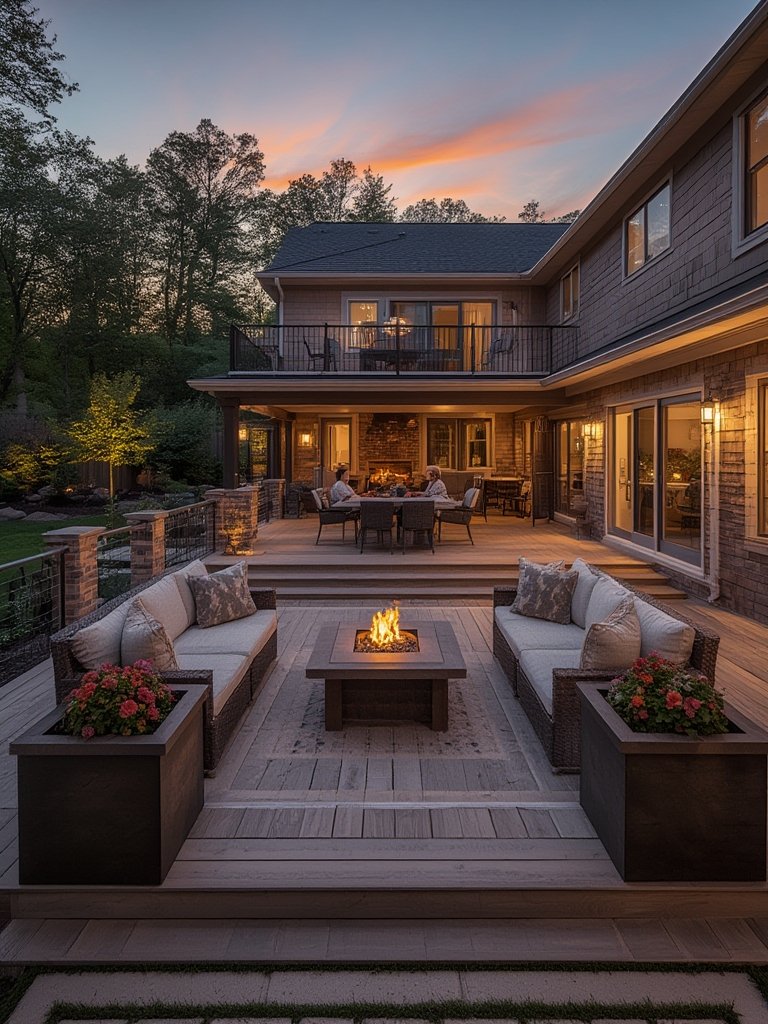
Case studies show that while premium decks bring impressive return (81% ROI in Phoenix, 80% in Denver), they also demand detailed planning for custom features. For example, integrating a sunken fire pit requires careful fireproofing and code compliance. Poor planning can result in expensive rework or even insurance claim denial.
Conclusion
Investing in multi-level deck design is a high-impact way to extend your living space, boost home value, and create unique outdoor experiences. The right planning, smart material selection, and attention to detail will ensure your multi-tier deck becomes a showcase without introducing headaches. If you’re considering building or upgrading, make your first step a solid plan—and explore professional landscaping integration for lasting results. Real homes prove the ROI is there—now it’s up to you to unlock the potential of multi-level deck design in your own space.
Ready for your transformation? Start designing today, or consult an expert for custom solutions and rapid ROI.
Frequently Asked Questions
How much value does a multi-level deck add to my home?
Multi-level decks typically add 65-80% of their construction cost to your property value, outperforming single-level decks. Depending on your market and project grade, you could see a value increase of $8,000 to $15,000 on a $20,000 investment.
What is the average cost to build a multi-level deck?
Costs range from $15,000 for basics up to $65,000+ for premium builds with features like fire pits or covered zones. Material choice, site slope, and region affect final pricing.
Do I need a building permit for a multi-level deck?
Almost always, yes. Codes differ widely by location and may require specific footing depths and safety railings. Check with your local authority before breaking ground.
What are the biggest maintenance challenges?
Keeping debris cleared between levels, watching for water pooling, and maintaining safe, non-slippery stairs are top issues. Composite boards can reduce upkeep but won’t eliminate it entirely.
How do I incorporate a fire pit in a multi-level deck safely?
Position your fire pit on a fireproof base (stone, paver, or metal deck mat), maintain clearances from railings and overhead features, and confirm local code allows it. Consider built-in benches for a safer, lower-maintenance result.
