


Composite decking installation is transforming the way homeowners build long-lasting, low-maintenance outdoor spaces. Whether you’re tired of endless staining and splinter repairs or planning a brand new deck for your backyard, understanding today’s composite deck options can save you time, money, and frustration.
Key Takeaways
- Composite decking installation costs range from $15 to $34 per square foot installed in 2024, often higher than wood but with much lower yearly maintenance.
- Proper preparation—including joist layout, fastener selection, and spacing—directly impacts deck durability and warranty coverage.
- While composite decks are marketed as “no-maintenance,” understanding real challenges and best practices is essential for long-term satisfaction.
- Composite Decking Installation: What and Why It Matters
- Step-by-Step Composite Deck Installation Guide
- Advanced Analysis & Common Pitfalls
- Conclusion
- Frequently Asked Questions
Composite Decking Installation: What and Why It Matters
Composite decking installation refers to building an outdoor deck using boards made from blended recycled plastics and wood fibers. These products—brands like Trex, TimberTech, and Fiberon—offer resistance to rot, splinters, and fading, setting them apart from traditional lumber.
Homeowners choose composite decking for hassle-free outdoor living: no painting, staining, or rotting boards. Upfront costs are generally higher than wood (averaging $15 to $34 per square foot installed), but lower maintenance and longer warranties drive sustained savings and peace of mind.
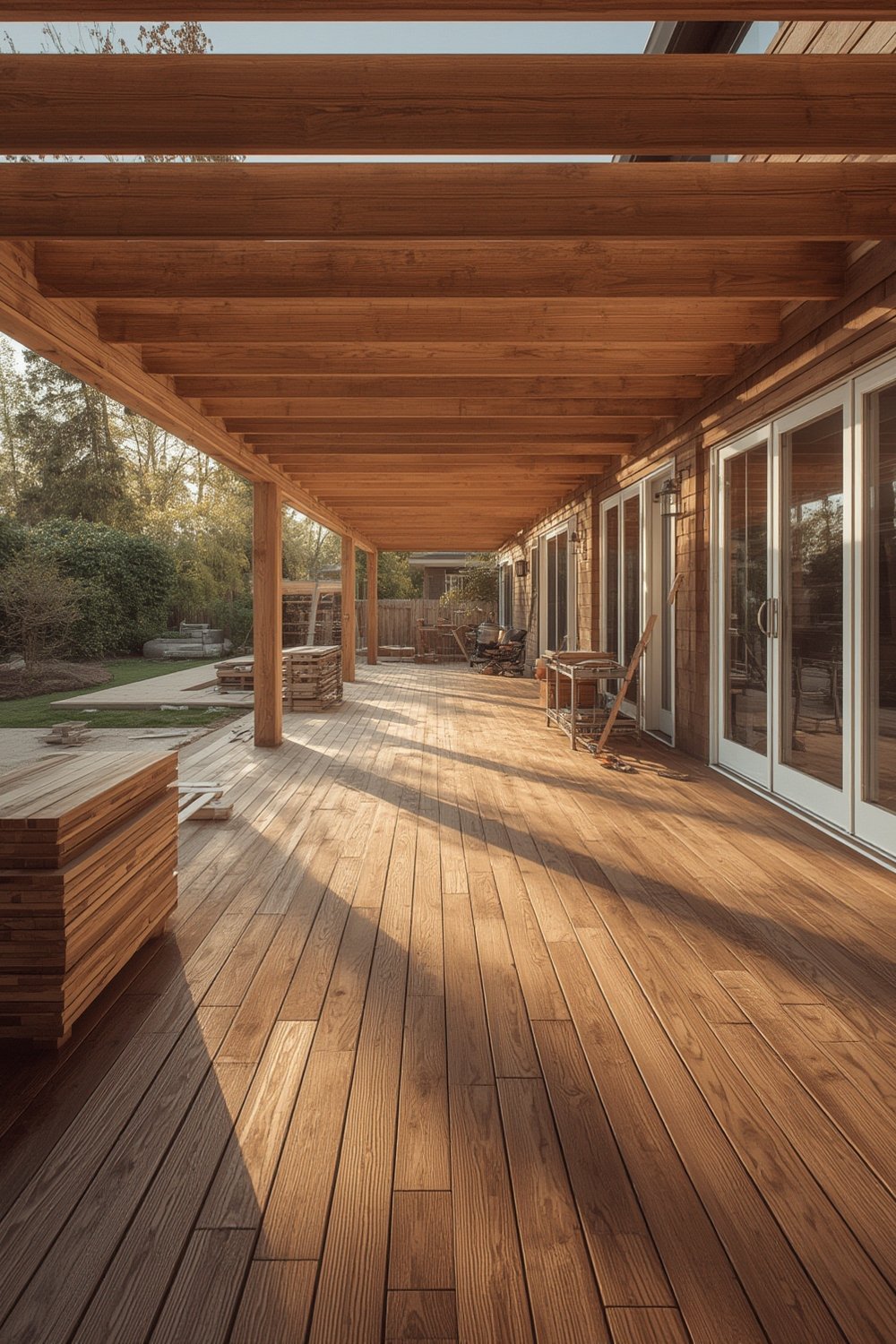
With skilled landscaping services, a composite deck can seamlessly connect your home to your backyard, adding enjoyment and real home value.
Step-by-Step Composite Deck Installation Guide
- Plan Your Deck Layout
Measure your space, choose your board color/style, and sketch a simple frame plan. Consider adding railings or stairs. Most composite systems work with standard deck joists (typically spaced 16 inches on center). - Inspect and Prepare the Substructure
Your deck frame must be level, stable, and code-compliant. Composite decking can be installed over a sound existing frame if it’s solid and damage-free. Replace any rotted or undersized joists. - Install Joist Tape
Self-adhesive butyl tape on joists helps block moisture and extends frame life—critical when investing in a premium composite surface. - Choose Your Fasteners
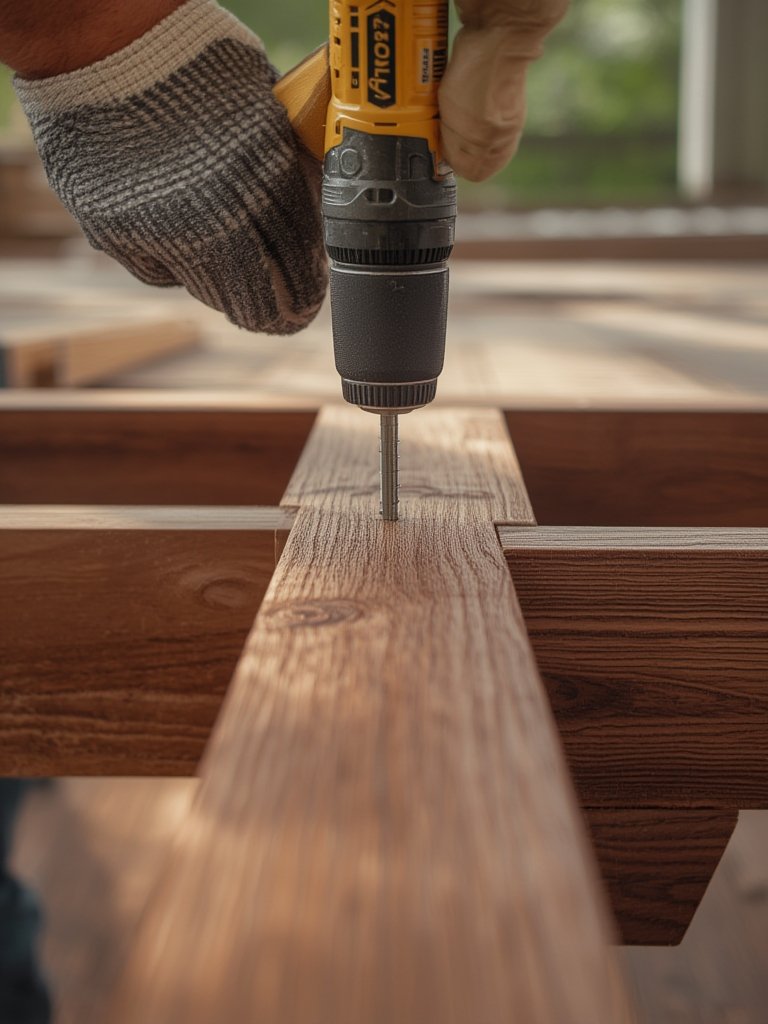
Decide between hidden fasteners (for a seamless look, usually $1 to $2 per square foot extra) or face screws. Many manufacturers require specific fasteners for warranty coverage. - Deck Board Installation
Start at the end of the deck and work your way across, maintaining consistent board spacing (usually 1/8″ to 3/16″). Use spacers or clips according to your product’s guide. - Finish Edges and Add Railings
Use matching fascia boards and post sleeves. Double-check all fasteners are snug and make sure stairs meet local code. - Final Inspection & Cleanup
Sweep the deck, remove any debris from fastener holes, and verify smoothness/safety across the surface.
Need more support with your outdoor upgrades? Explore how best landscaping services can integrate decking into a bigger outdoor renovation.
Advanced Analysis & Common Pitfalls
Composite decking promises simple, elegant outdoor living, but installation and ownership are not without challenges. Here are key issues and how to avoid them:
Cost and Material Comparison
| Product | Installed Cost per sq. ft. (2024) | Warranty | Maintenance |
|---|---|---|---|
| Trex Enhance | $15-20 | 25 years | Low (no painting/staining) |
| Trex Transcend | $25-30 | 25 years | Low |
| Other Composite | $20-38 | 20+ years (varies) | Low |
| PVC/Vinyl | $20-38 | 25+ years | Very Low |
| Pressure-Treated Wood | $8-14 | None to 10 years | High (annual) |
Source,
LumberPlus,
HomeAdvisor
Common Pitfalls
- Poor Framing: Composite boards sag or bounce more than expected if joists are spaced too far apart. Follow 16″ on-center max, or closer for boards laid diagonally.
- Improper Fastening: Not using manufacturer-approved fasteners can void warranties and cause boards to lift, squeak, or crack.
- Inadequate Drainage: Framing that traps water beneath the deck reduces lifespan—even for “waterproof” boards.
- Lack of Expansion Gaps: Composite boards expand and contract; skipping the recommended gaps can cause buckling or edge chipping over time.
- High Cost Surprise: Labor and hidden fasteners push project cost 20% higher than basic wood decks—budget realistically.
Installation and Maintenance Challenges
While composite decks don’t require staining, they are not 100% maintenance-free. Mold and surface staining can occur with debris buildup, especially in shaded or humid areas. Power-wash gently once or twice a year and clear gaps between boards to prevent trapped dirt.
Thinking beyond the deck? Consider combining composite installation with professional landscape transformations for maximum outdoor impact.
Sustainability-minded homeowners should know that while most composites use recycled plastic, specifics around recycled content and third-party eco-certifications can be vague. When green credentials matter, contact manufacturers for current details before purchase.
Still evaluating your options? Learn more about outdoor kitchen installations and how they pair with composite decks.
Conclusion
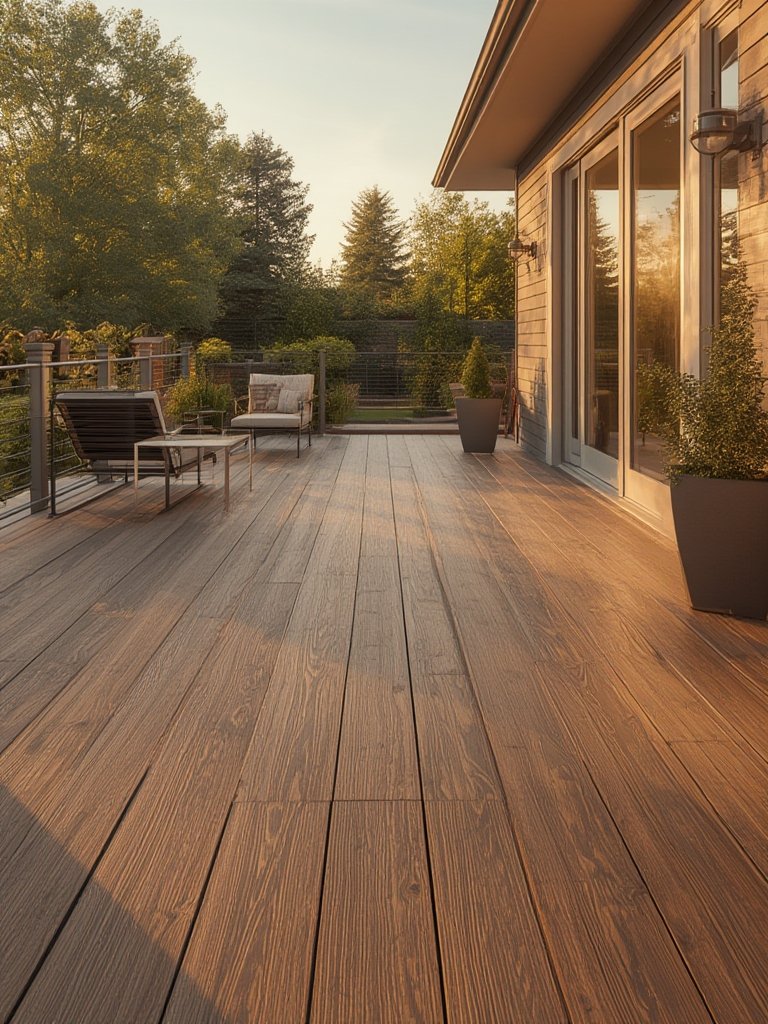
Composite decking installation offers a modern solution for building beautiful, low-maintenance decks that stand up to the elements. Costs are higher up front than for basic wood, but the payoff is fewer weekend chores, longer warranties, and lasting curb appeal. Use the steps and best practices above to get the most from your composite decking installation—and always confirm requirements for both fasteners and joist spacing before you start.
Ready to upgrade your outdoor living? Connect with a trusted local deck pro to start planning your composite deck project today.
Want more home improvement inspiration? Check out all our tips on 2025 bathroom renovations for your next interior project.
Frequently Asked Questions
How much does composite decking installation actually cost in 2024?
National averages range from $15 to $34 per square foot installed, depending on board brand, fastener style, and deck complexity. Labor alone is usually $5 to $15 per square foot.
Can I install composite decking over my old wood deck frame?
Yes, if the frame is structurally sound with no rot or major sagging. Joists may need to be spaced closer (16” or less) and capped with joist tape.
What’s the typical maintenance for a composite deck?
Sweep regularly, wash with gentle soap and water, clear out gaps each spring/fall, and avoid using harsh chemicals or stiff brushes. Mold can still appear if organic debris builds up.
Does composite decking really last longer than wood?
Yes. Major manufacturers like Trex offer 25-year fade and stain warranties—significantly longer than standard pressure-treated lumber. Composite boards also resist rot, splinters, and bugs better than wood.
Are composite decking boards eco-friendly?
Most use some recycled materials, but check with each manufacturer for specifics on recycled content and certifications. Claims vary and are often not detailed on retailer websites.

[…] Unlike single platforms, these decks let you separate zones visually and functionally, working especially well for corner lots, slopes, or when you want to create different atmospheres for cooking, gathering, and relaxing. Materials like composite decking or engineered wood extend lifespan and simplify maintenance, as discussed in our composite decking installation guide. […]