


Energy efficient HVAC upgrade is a top priority for homeowners and businesses in 2024, delivering major cost savings and real reductions in energy use without sacrificing comfort. If you’re planning a high efficiency upgrade or a smart climate control install, this step-by-step guide gives you real stats, practical steps, and the realities few guides mention.
Key Takeaways
- Upgrading to energy efficient HVAC can cut annual energy bills by $500 for homes, saving 20% to 50% in energy use.
- Most frustrations with smart or high efficiency HVAC involve up-front cost or unclear rebates, not technical failures.
- Long-term savings and potential 8% home resale value boost often offset higher installation costs over time.
- Understanding Energy Efficient HVAC Upgrades
- Step-by-Step Guide: Upgrading Your HVAC System
- Advanced Analysis & Common Pitfalls
- Conclusion
- FAQ
Understanding Energy Efficient HVAC Upgrades
When you replace an old HVAC system with a modern variable-speed unit or a high-efficiency heat pump, you directly reduce both your utility bills and your energy footprint. These systems use advanced motors and smart controls to adapt output to your home’s needs, eliminating wasted power that’s common with fixed-speed or oversized equipment.
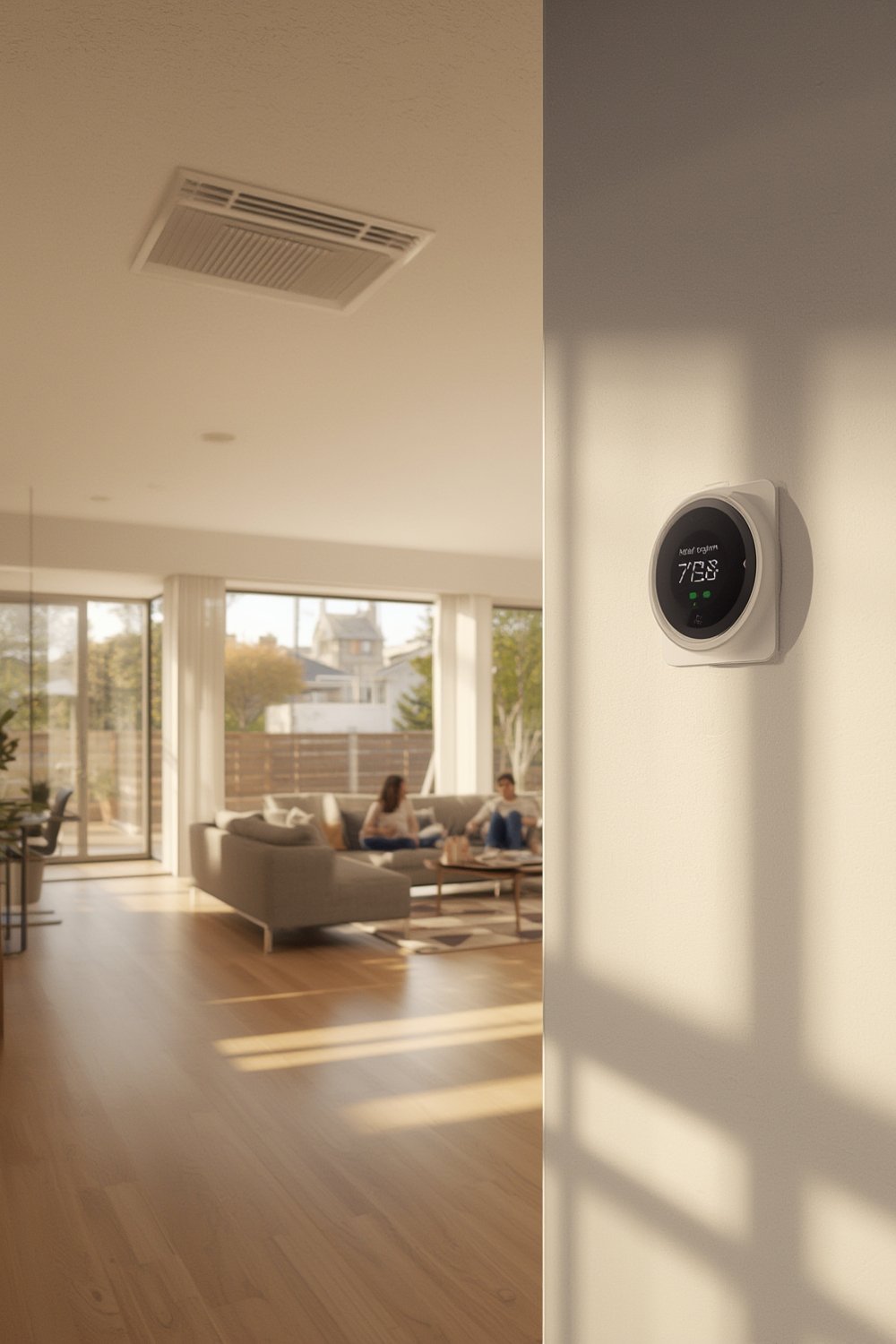
Here’s what the numbers say: Homeowners who install these systems often see savings of $500 per year compared to standard HVAC, and upgrading businesses achieve 20% to 50% lower energy use (source). Heat pumps, in particular, can use as little as 25% of the electricity required by electric resistance heating, and commercial VRF (variable refrigerant flow) setups consistently cut energy by up to 30% (source).
In many cases, you can amplify these benefits with smart thermostats—delivering another 8% shave off heating and cooling costs. Not only does this make your energy use leaner, it also positions you for future home tech and automation upgrades. For even more value, energy efficient upgrades can increase your home’s resale value by up to 8% (source).
For related home investments, consider the value of landscaping services, which can further optimize your home’s comfort and energy use.
Step-by-Step Guide: Upgrading Your HVAC System
- Audit your current system and utility bills. Review your last year’s energy use and get a pro home energy audit—many utility companies offer them free or at a low cost. This gives you a baseline to justify an energy efficient HVAC upgrade.
- Research system types: Variable Speed or Heat Pump? Decide if a variable speed furnace/AC, a ducted heat pump, or a ductless mini-split fits your home size and climate. VRF systems are best for large or multi-zone commercial spaces.
- Get local, detailed quotes. Always compare several licensed HVAC contractors. Ask about ENERGY STAR or high SEER/EER/HSPF ratings. Get written estimates that break down equipment, labor, and any extras. Verify if they offer integration with smart home systems.
- Assess available incentives and rebates. Ask each contractor to identify federal, state, or utility rebates. Eligibility and availability change frequently, so double-check current programs.
- Choose integrated smart controls. For maximum comfort and savings, opt for smart thermostats or zone controls that are compatible with your automation platform. See this guide if you’re also investing in smart home installation services.
- Schedule installation in advance. Prime HVAC contractors book out months ahead during peak seasons. Try to schedule early spring or late fall for the best pricing and turnaround.
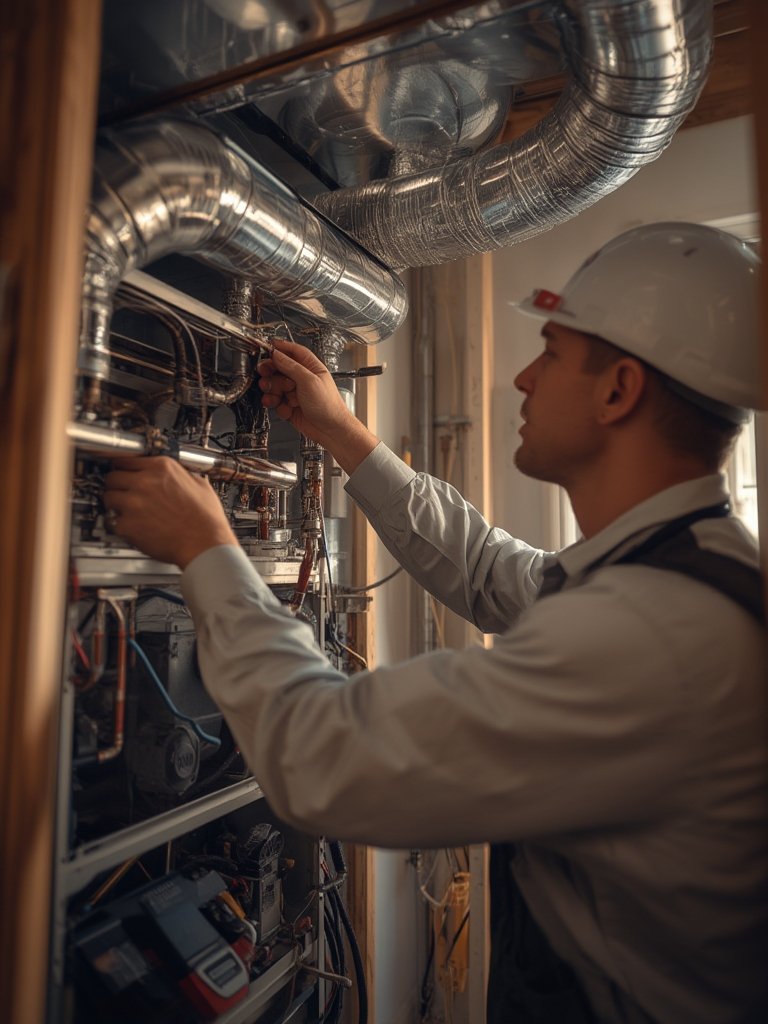
- Verify warranty details and maintenance requirements. High efficiency systems often require pro maintenance to keep warranties valid—plan a yearly checkup and clean. This also ensures long-term performance and lower risk of breakdowns.
If you’re also planning outdoor upgrades, pairing HVAC improvements with an outdoor covered patio or outdoor kitchen can further cut heating and cooling demand while increasing your home’s lifestyle value.
Advanced Analysis & Common Pitfalls
While headlines focus on dramatic energy savings, there are real-world factors and obstacles to consider:
- Upfront Cost vs Return: You will pay more for high efficiency HVAC—sometimes 20% to 50% higher up front. However, $300 to $500 average annual savings can offset these costs within a few years (source).
- Lack of Transparent Regional Costs: System price, installation fees, and even rebates vary greatly by region. Beware of general estimates from online calculators—get location-specific bids from local pros.
- Incentives Are Good, But Often Vague: While government or utility incentives can lower your net cost, details change each year. As of 2024, programs exist, but most require persistent checking, paperwork, and contractor verification. See your utility’s website and this recent DOE study for examples.
- Insufficient Coverage of Complaints: User complaints in the latest studies are surprisingly absent—most feedback is positive or neutral. Still, some users experience learning curves with smart thermostats or face compatibility headaches when mixing brands.
- System Sizing & Ductwork: An oversized or undersized system can destroy any gains in efficiency. Duct leaks or poor insulation can also undercut your investment. Insist on a Manual J load calculation before installation.
| Feature | Standard HVAC | Variable Speed/Heat Pump |
|---|---|---|
| Upfront Cost | Lower | 20%–50% Higher |
| Annual Utility Bills | Higher | $300–$500 Lower |
| Payback Period | No Payback | Typically 3–7 Years* |
| Energy Consumption | Baseline | 20%–50% Less |
| Home Value | Neutral | Up to 8% Higher |
| Common Issues | Lower Repair Costs, Steady Performance | No current user-reported issues, potential learning curve with smart controls |
*Actual payback depends on utility rates, climate, and specific equipment cost.
Looking for further home enhancements? Explore LVP flooring or boost security with smart systems for a more valuable and comfortable home.
Conclusion
Upgrading to an energy efficient HVAC system is a proven way to reduce energy use, lower your bills, and prepare your home for future tech—all with relatively few downsides beyond upfront cost and local incentive complexity. For most, the energy efficient HVAC upgrade pays for itself within several years, delivering a noticeable boost in comfort and property value. For best ROI, research all rebate options carefully and partner with pros who can handle both installation and smart integration.
Ready to take the first step towards comfort and savings? Contact local HVAC experts, request a detailed quote, and check if you qualify for 2024 rebates. You’ll be on your way to a greener, leaner home or business.
FAQ
How much can I really save by upgrading to an energy efficient HVAC system?
Most homeowners save between $300–$500 annually on utility bills with a high efficiency upgrade, while businesses often see 20%–50% lower energy use, depending on building size and system type (source).
Are there any new government rebates or tax credits for 2024?
Incentive programs exist but change yearly. Always check your state energy office or local utility for up-to-date rebates and requirements before starting a project.
What are the most common problems with high efficiency HVAC or smart thermostats?
Research shows few reported reliability issues, but some users face confusion with smart controls, setup, or integration with existing home automation platforms.
Is a heat pump or a variable speed air conditioner better for my climate?
Modern heat pumps work well in most U.S. climates, but extremely cold regions may benefit from hybrid systems. Your HVAC contractor should perform a Manual J calculation and suggest the best fit.
How does upgrading my HVAC system improve my home’s resale value?
Energy efficient upgrades can increase home resale value by up to 8%, especially when paired with smart tech and well-documented energy savings (source).

[…] you’re planning other home upgrades like an energy efficient HVAC upgrade or smart thermostat installation, coordinate these projects. Many install teams can quote for […]