


Matter smart home devices are rapidly changing how homeowners control, secure, and automate their living spaces, promising true cross-platform compatibility without the headaches of the past. But does the reality match the hype, and what should you know before investing in this universal platform?
Key Takeaways
- Matter offers seamless interoperability between Apple, Google, and Amazon ecosystems, but the transition costs and true real-world reliability still present challenges.
- User pain points mainly remain unaddressed publicly, especially regarding setup in multi-brand environments, while privacy concerns persist.
- Industry projections are bold, but careful research and planning are crucial before migrating your existing smart home devices to Matter certification.
- What Are Matter Smart Home Devices and Why Do They Matter?
- How to Transition to Matter Smart Home Devices: A Step-by-Step Guide
- Advanced Analysis and Common Pitfalls
- Conclusion
- FAQ: Matter Smart Home Devices
What Are Matter Smart Home Devices and Why Do They Matter?
Matter is an open-source, royalty-free protocol developed to unify smart home devices across brands and ecosystems, enabling users to control lighting, security, climate, and more from Apple, Google, or Amazon platforms with one unified standard. Unlike previous protocols, Matter focuses on seamless interoperability, robust encryption, and simple onboarding, striving to eliminate the frustration of device incompatibility and fragmented user experiences.

Since 2024, adoption of Matter-certified smart devices has surged. The global market is estimated between USD 4.2 and 13.2 billion, with over 5.5 billion Matter-compliant devices expected to ship by 2030. This growth is led by North America’s 38% market share and Europe’s rapid adoption, driven largely by strict energy regulations.
Residential applications now account for approximately 65% of industry revenue, chiefly from categories like lighting and security (source).
Matter builds on Wi-Fi, Thread, Ethernet, and Bluetooth connectivity, ensuring reliability and low power consumption. Unlike past attempts at interoperability, Matter genuinely allows users to mix and match products regardless of manufacturer—endorsed by initiatives from Apple HomeKit, Google Home, and Amazon Alexa.
To learn more about professional installation and protocol setup, visit our smart home installation service guide.
How to Transition to Matter Smart Home Devices: A Step-by-Step Guide
Migrating a legacy smart home to Matter-certified devices can drastically improve interoperability, but cutting corners or skipping research can backfire. Here’s how to do it right.
- Inventory and Plan Your Ecosystem: List your current smart devices (models, brands, protocols). This helps determine which devices already support Matter, which can be upgraded, and which must be replaced.
- Research Device Compatibility: Use manufacturer websites, product forums, or trusted guides to confirm if your preferred devices support Matter. At present, most Matter-certified hardware falls into these categories: lighting (bulbs, switches), plugs, thermostats, sensors, security cameras, locks, and hubs. For professional assistance with system mapping or upgrade paths, check out our smart thermostat installation guide.
- Upgrade or Replace Hubs/Bridges: Many older hubs (or bridges) do not support Matter. Upgrading to a Matter-ready hub (from Apple, Google, Amazon, or Samsung) is usually required if you need local Thread network control. Be wary of hidden upgrade costs or migration fees, which manufacturers rarely detail upfront (source).
- Ensure Proper Connectivity: Matter relies heavily on robust Wi-Fi (52% of devices), Thread, and occasionally Ethernet or Bluetooth. Network dead spots, outdated routers, or insufficient bandwidth can interfere with onboarding or operation. Running a network scan before adding devices is recommended (source).
- Onboard Devices Using Connected Apps: Most Matter-certified devices allow onboarding from any major ecosystem app (HomeKit, Google Home, Alexa). Always keep apps updated for bug fixes and Matter version improvements (the protocol saw key updates in Matter 1.3 and 1.4 releases in 2024).
- Set Up Automations and Test Interoperability: Once onboarded, set up simple automations involving devices from multiple brands, such as turning on lights and adjusting thermostats together. Run multiple tests to confirm cross-platform commands work as expected.
- Monitor for Firmware Updates and Security Notifications: Regularly check for device and hub updates. Matter includes robust encryption and authentication protocols, but prompt patching is essential for safety and privacy.
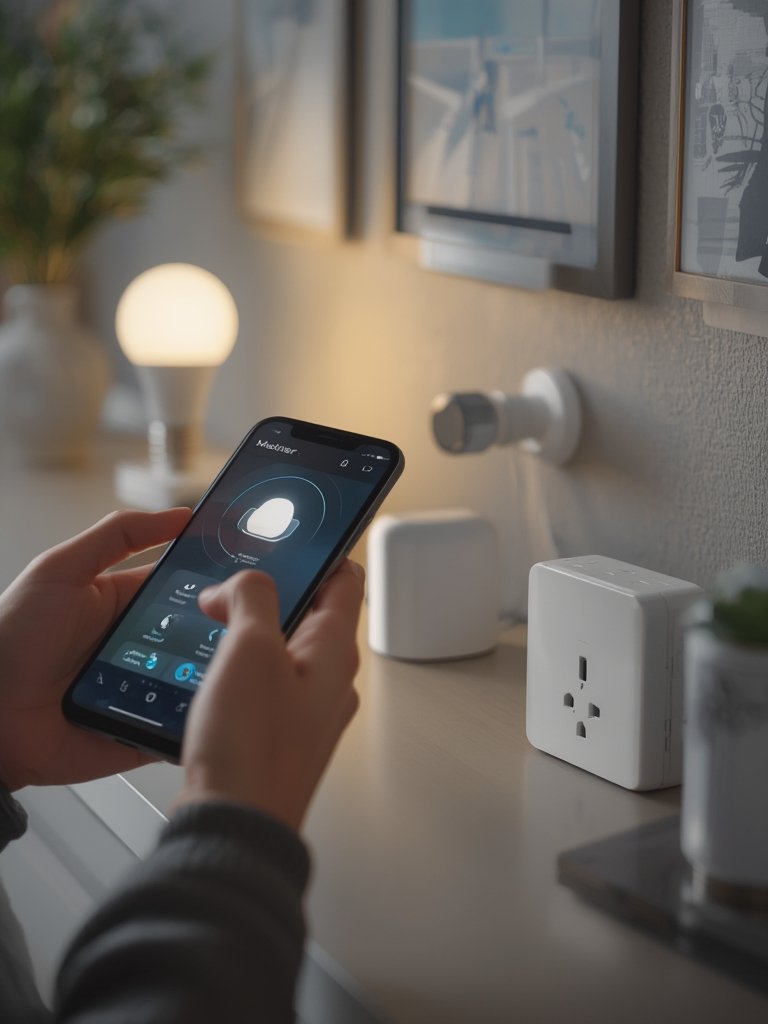
Migrating to Matter is rarely plug-and-play if you’re dealing with legacy Zigbee, Z-Wave, or proprietary setups. For large homes or advanced systems, hiring a professional smart home installer is often worth the investment to reduce setup headaches.
Budget for surprise expenses—some hubs and devices require paid upgrades, and older systems may demand a full replacement. For more on finding reliable professionals for end-to-end installations, see our guide to landscaping services that complement smart home investments.
Advanced Analysis and Common Pitfalls
Matter promises universal compatibility, but real-world experiences and transparency about device-level pain points remain limited in public data and media reports. Here’s what research and industry insights reveal about the current state, pitfalls, and challenges.
| Aspect | Matter Devices | Legacy Devices (Zigbee/Z-Wave/Proprietary) |
|---|---|---|
| Onboarding/Setup | Mostly app-based, but problems with outdated hubs, network issues, or unclear upgrade paths. Few direct user surveys exist (source). | Hub or bridge often required; compatibility limited to specific brands or ecosystems; complex configuration for cross-platform use. |
| Interoperability | Promised between Apple, Google, Amazon (and others). No detailed public reports of exceptions, but early adopters face occasional glitches and slow device recognition. | Fragmented; mixing brands often leads to unreliable automations or full incompatibility. |
| Privacy & Security | Enhanced encryption and authentication. 57% of users remain concerned about privacy and data collection, with 46% worried about hacking (source). Specific standards not yet public. | Diverse; some use proprietary encryption, others lack updates or transparent policies. Privacy rarely guaranteed. |
| Transition Costs | No detailed public data; potential hidden expenses for hubs, device upgrades, and installation. | Lower up-front cost if sticking with single-brand setups, but limited by vendor lock-in and poor interoperability. |
Three major areas of concern are not fully addressed by most leading publications:
- Opaque market metrics: Industry statistics bundle Matter-ready and non-Matter devices together, making it hard to track actual adoption rates or returned product rates.
- User feedback gaps: While data privacy and security concerns remain top of mind for 57% and 46% of users, published surveys rarely clarify whether these problems are unique to Matter (source).
- Hidden costs and upgrade complexity: Transitioning often means new hubs or replacements rather than simple software updates, contradicting much of the mainstream marketing.
For a more detailed look at how the modern smart home integrates with renovation and outdoor living projects, explore our insights on outdoor kitchen installation and stunning outdoor transformations.

Conclusion
Matter smart home devices offer an unrivaled opportunity to experience true cross-platform automation, blending devices from Apple, Google, Amazon, and more under one protocol. But the transition requires detailed planning, budget awareness, and realistic expectations. As industry adoption rates climb, focus on incremental upgrades, network readiness, and researching professional installation options to maximize returns on investment. Ready to simplify your home automation? Start with a Matter-compatible device or schedule an install with professionals who truly understand the new standard.
Be sure to bookmark our guides on smart home installation and home improvement essentials to help make your Matter smart home devices work even better.
FAQ: Matter Smart Home Devices
Which brands currently offer Matter certified smart home devices?
Leading brands such as Apple, Google, Amazon, Samsung, and Philips now offer various Matter-certified products, including lights, plugs, thermostats, locks, and sensors. However, always verify support per model, as not all products in a brand’s catalog will support Matter immediately.
Can I upgrade my old smart home devices to be Matter compatible?
In limited cases, device firmware updates may add Matter support to existing hardware. However, most legacy Zigbee, Z-Wave, or proprietary devices will require replacement or a new hub that bridges them to Matter.
What network requirements do Matter smart home devices have?
Matter devices primarily use Wi-Fi, Thread, Ethernet, or Bluetooth. For optimal performance, ensure your home Wi-Fi is fast and reliable, and consider upgrading your router if it’s more than five years old or lacks mesh networking support.
Are there hidden fees when moving to Matter?
Potentially yes. While Matter itself is royalty-free, hardware upgrades, installation, and new hubs can add up. Always ask vendors about compatibility and upgrade fees before buying.
How secure and private are Matter smart home devices compared to other protocols?
Matter incorporates advanced encryption and improved authentication for security and privacy. Still, most users remain wary, and transparency around data policies is an ongoing concern. Regular updates and vigilance are recommended.