


Outdoor kitchen installation is transforming backyards across North America, turning patios into functional spaces for cooking, dining, and entertaining. The trend is booming in 2024, but success depends on smart planning—from material selection to code compliance and maintenance. Here’s exactly what you need to know before you build or upgrade your own outdoor kitchen.
Key Takeaways
- Outdoor kitchen installation is surging in popularity, with North America holding nearly half the global market share in 2024.
- Modular and pre-configured systems are making installations faster, but costs and local codes can cause real headaches.
- Choosing weatherproof materials and following a step-by-step plan are critical for a safe, durable outdoor kitchen that lasts.
- Understanding Outdoor Kitchen Installation
- Step-By-Step Guide: How to Install an Outdoor Kitchen
- Advanced Analysis & Common Pitfalls
- Conclusion
- FAQ Section
Understanding Outdoor Kitchen Installation
Outdoor kitchen installation combines multiple trades—masonry, plumbing, electrical, carpentry—into a single project, requiring careful coordination. The goal? Seamless indoor-outdoor living complete with cooking, storage, and entertaining zones. Driven by rising homeowner incomes and the love of gathering outdoors post-2020, installations have soared. In 2024, North America accounted for 46.73% of the global outdoor kitchen market, with homeowners investing heavily in stylish cabinets, appliances, and durable layouts for year-round use. (source).
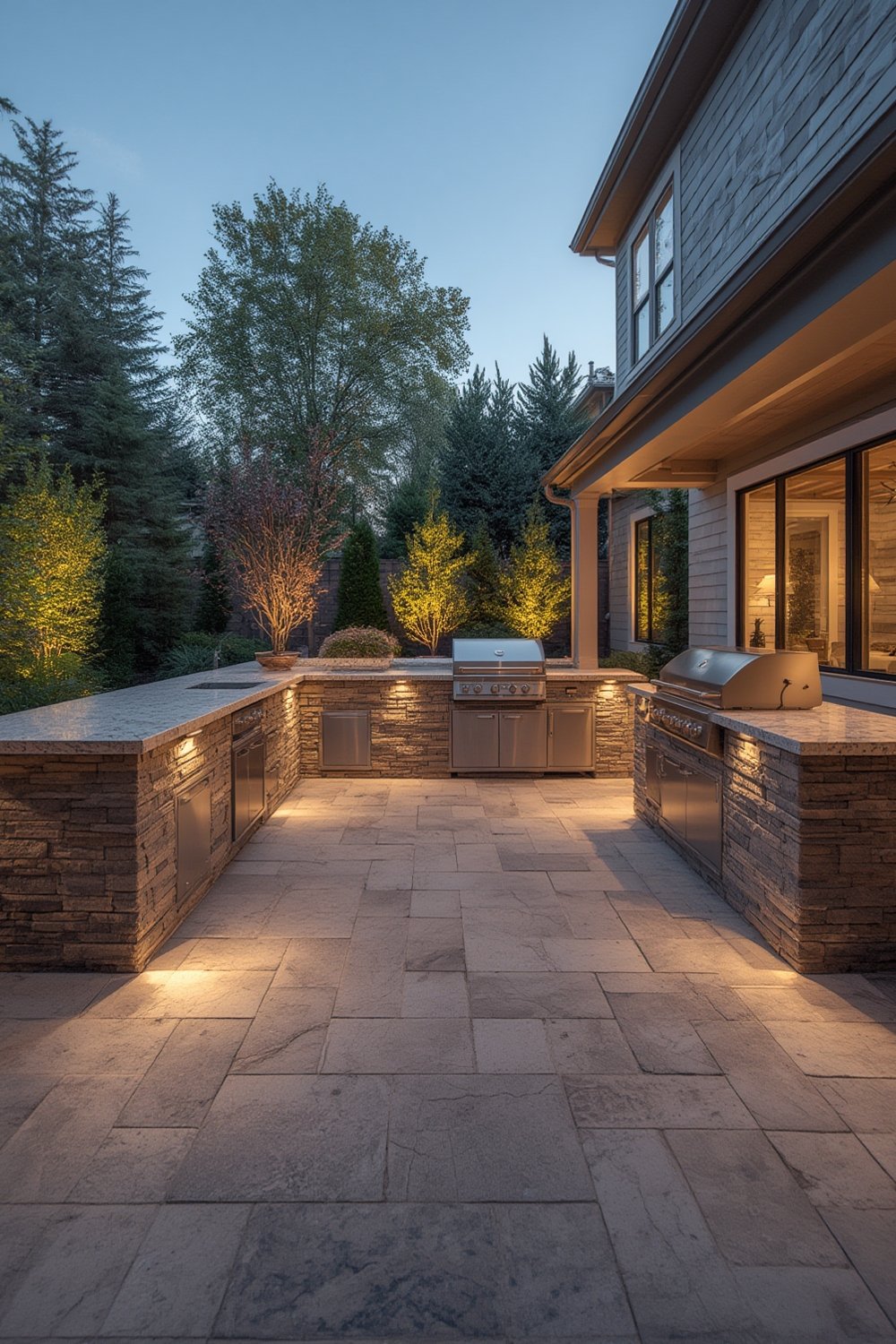
Unlike simple barbecues, a complete installation integrates grills, sinks, refrigerators, counters, and storage in weatherproof, code-compliant arrangements. Popularity spikes in regions like California, Texas, and Florida, where year-round use is possible—modular and pre-configured systems and luxury options are especially sought-after by suburban homeowners. Transaction values range from a few thousand dollars for kits to $30,000+ for custom builds, often taking several months to finish (source).
If you’re considering this upgrade, understanding modern materials, appliance options, and technical demands will ensure you end up with a beautiful, functional backyard kitchen that stands the test of time—and weather.
Step-By-Step Guide: How to Install an Outdoor Kitchen
Here’s a practical breakdown for outdoor kitchen installation success. Whether you’re doing it yourself or working with pros, these are the essential steps:
-
Assess and Prep Your Outdoor Space
- Measure your patio or yard. Consider sun paths, wind, and proximity to your house for utility connections.
- Clear the area, level the ground, and lay a solid, waterproof foundation—concrete is the most popular choice.
-
Design to Fit Your Lifestyle and Zone
- Plan for main “zones”—cooking, prep, storage, refrigeration, and dining.
- Select a shape (L-shape, straight, or island) that fits your yard and entertaining style.
- For inspiration on integrating landscapes, see landscaping services for outdoor space enhancement.
-
Choose Materials and Appliances for Durability
- Stainless steel and HDPE polymer cabinets resist moisture and extreme conditions better than wood or masonry in humid climates.
- Look for locking brackets, adjustable legs, and pre-cut countertop slots that speed installation and add flexibility.
- Smart grills, modular refrigeration units, and remote-controlled lighting are now standard for a modern cooking experience.
-
Secure Permits and Schedule Subcontractors
- Electrical and plumbing work often require permits. Check fire code setbacks and HOA regulations if applicable.
- Schedule licensed electricians and plumbers for safe, code-approved connections.
-
Install Cabinetry and Appliances
- Use tool-free, snap-in systems for quick, error-proof setups, or hire pros for custom builds involving masonry or stone.
- Anchor all cabinetry and appliances, then install countertops with sealants specified for outdoor use.
-
Add Finishing Touches
- Install ventilation, weather covers, and emergency shutoffs.
- Complete adjacent landscaping to tie the new kitchen into your existing outdoor renovation plans. For robust recommendations, see functional outdoor design.
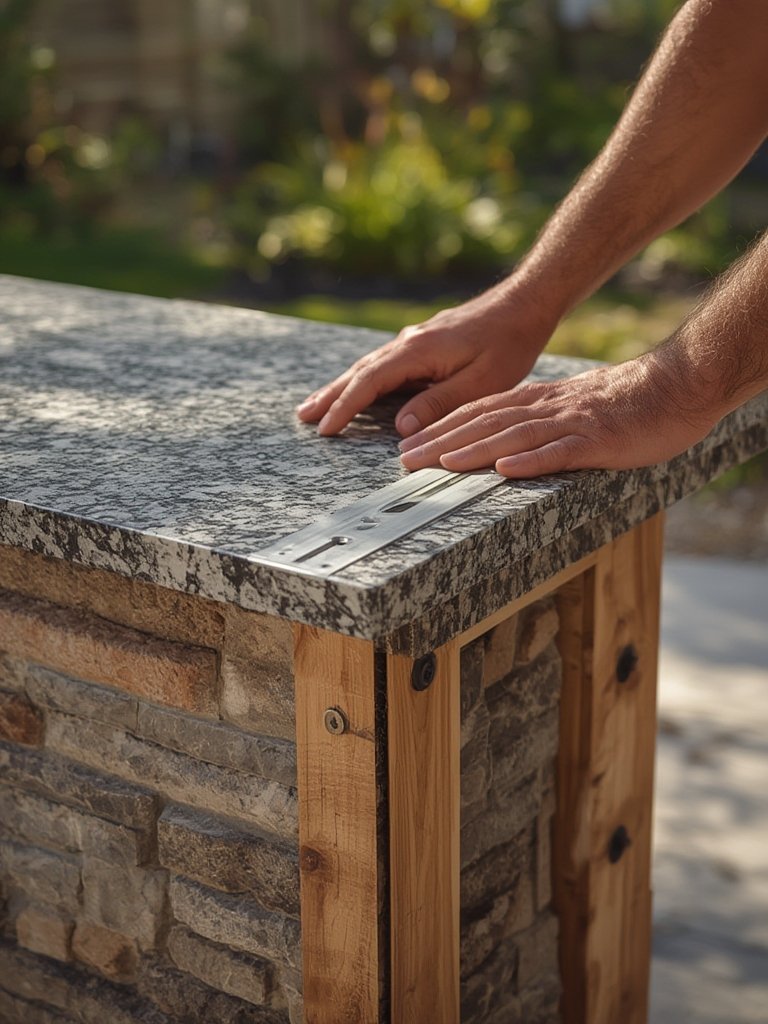
Remember, outdoor kitchens are an extension of your home. Scheduling pre-construction site visits and following a checklist will help prevent common launch-day delays. If in doubt, consult a local pro who can confirm your design fits local codes and weather conditions. For further inspiration on transforming outdoor areas, check out how landscape transformation with professional services makes all the difference.
Advanced Analysis & Common Pitfalls
Plenty of homeowners underestimate both the complexity and ongoing demands of outdoor kitchen installation. Here are the most frequent problems—realistic issues that even pros encounter:
- Permit Hassles: Many cities require dedicated permits for electrical, plumbing, and gas. Failing to get approval can result in costly stop-work orders and forced demolition.
- Maintenance Surprises: Outdoor kitchens face constant exposure. Steel can corrode if not marine-grade, and cheaper wood warps or rots. Ignoring regular maintenance causes appliances to fail fast—expect to reseal countertops and replace gaskets often.
- Weather Damage: Covers do not fully protect against humidity or wind-driven rain. Appliances and cabinetry need precise installation with proper drainage. Sun Belt homeowners must choose UV-resistant finishes.
- Cost Overruns: Custom builds easily exceed $30,000, often due to site surprises, delayed inspections, or sourcing premium appliances. Modular pods are more affordable but may lack the look or fit of bespoke designs (source).
- Poor Zoning/Code Compliance: Setting up under a low-hanging roof or near wooden fences may break fire codes. Always check with your municipality in advance and factor in setbacks from other buildings and trees.
| Traditional Outdoor Kitchen | Modular Pod System |
|---|---|
|
Custom layout/design Construction 2-8+ weeks Requires multiple contractors Cost: $15,000–$50,000+ Permits & inspections required |
Pre-configured design Install in 4 hours or less Often DIY or light labor Cost: $3,000–$15,000 Minimal permitting in some areas |
| Luxury, high customization | Fast installation, lower cost |
| More maintenance if not using top-tier materials | Materials and layout may be limited |
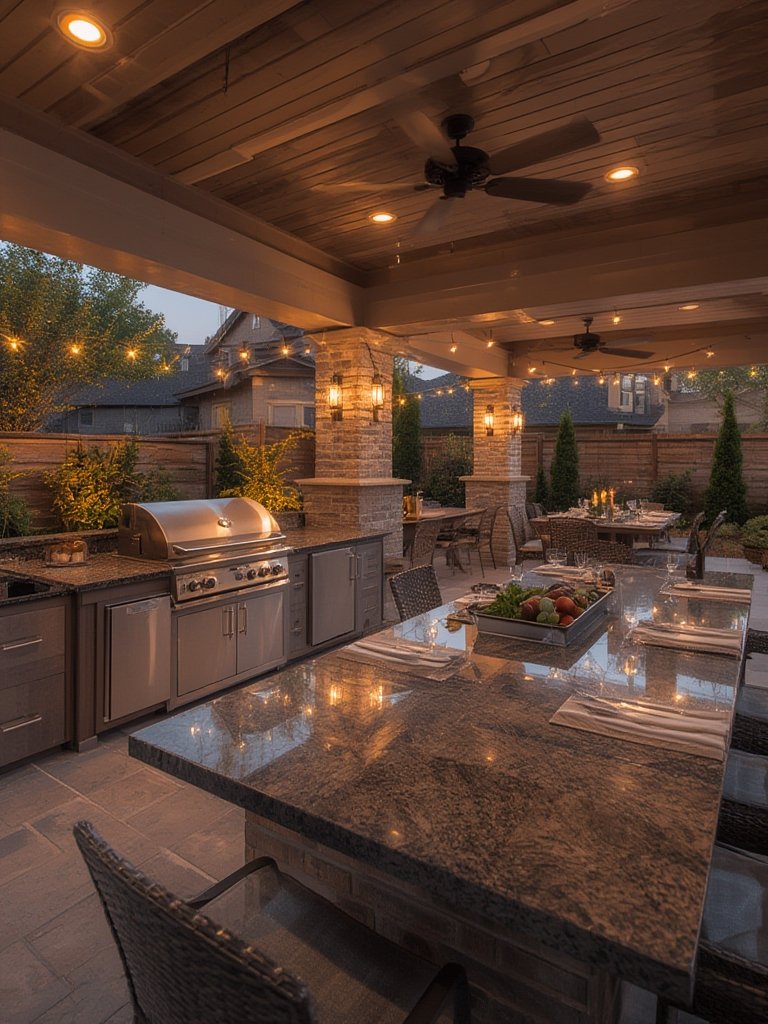
To maximize your project’s value and avoid ugly surprises, consult design/build pros familiar with local codes and climates. For comprehensive advice on transforming your backyard, see stunning landscapes through expert contractors.
Conclusion
Outdoor kitchen installation delivers lifestyle upgrades and serious property value—when done right. Start by understanding your zone and spending time on robust planning. Choose stainless steel or HDPE polymer over wood for lasting results, and lean on modular options for speed and reliability if custom budgets are out of reach. Always double-check permit and code rules before you break ground. Ready to get started with your own outdoor kitchen installation? Research local experts, verify reviews, and take the next step toward making your backyard the true heart of your home.
FAQ Section
How much does outdoor kitchen installation cost in 2024?
Costs range widely. Modular systems start around $3,000–$5,000, while custom designs can run $15,000–$50,000+. Permit fees, appliance quality, and foundation needs can increase your total budget.
Which materials last longest in outdoor kitchen builds?
Stainless steel (preferably marine-grade 304 or 316) and HDPE polymer outperform wood and masonry in most climates, offering excellent resistance to moisture, sun, and pests.
Do I need a permit for an outdoor kitchen?
In most areas, yes—especially for any electrical or plumbing lines. Check with your city’s permitting office before you begin work to avoid costly stop-work orders or insurance issues.
How long does it take to install an outdoor kitchen?
Modular systems can be installed by two people in as little as 4 hours. Custom masonry builds often require several weeks due to the need for specialized contractors and inspections.
What’s the best way to make my outdoor kitchen blend with my yard?
Work with landscaping pros who understand both design and local plants. For more ideas, see landscaping services for outdoor enhancement.