


Peel and stick wallpaper has transformed how renters and homeowners personalize their spaces—offering flexible, damage-free décor without the commitment or mess of traditional wallpaper. Whether you want an instant design refresh or a renter-friendly alternative, understanding how peel and stick wallpaper works, its benefits, and the real challenges is vital for a successful, stress-free installation.
Key Takeaways
- Peel and stick wallpaper is a booming market thanks to its renter-friendly, easy-to-remove design, but best results require careful prep and technique.
- Recent adhesive innovations greatly reduce wall damage, yet improper installation or removal can still cause paint or drywall issues—know the risks up front.
- Not all “removable” wallpapers are equal; material type, adhesive quality, and surface preparation make a real difference in results and longevity.
- Understanding Peel and Stick Wallpaper: What and Why
- How to Install Peel and Stick Wallpaper: A Step-by-Step Guide
- Advanced Analysis: Common Pitfalls & Comparison
- Conclusion
- Frequently Asked Questions
Understanding Peel and Stick Wallpaper: What and Why
Peel and stick wallpaper—sometimes called removable or temporary wallpaper—is a self-adhesive wall covering designed for hassle-free, DIY installation and residue-free removal. Unlike classic wallpaper, it doesn’t require paste, specialized tools, or professional installers, making it a top choice for renters, dorms, nurseries, and commitment-shy decorators.
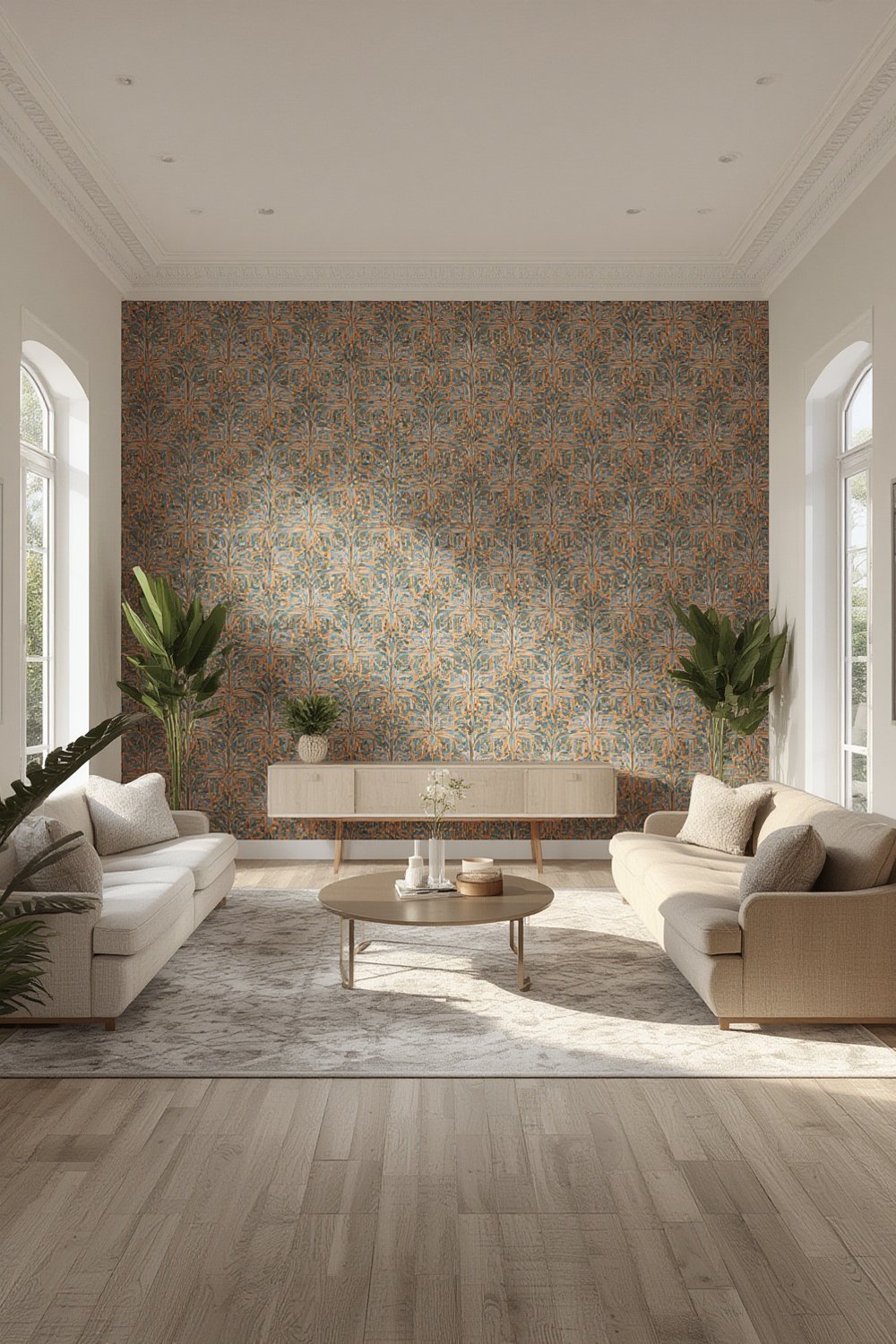
The market for peel and stick wallpaper topped $2.9 billion in 2024 with strong growth fueled by e-commerce, rental housing expansion, and the surge in DIY upgrades. Growth projections show the market reaching over $4 billion by 2032, as renters prioritize easy, non-permanent ways to customize their homes.
Why does this solution stand out? Modern peel and stick wallpapers leverage advanced adhesives that balance stickiness and removability. Vinyl options offer durability well suited to high-traffic spaces. The convenience, broad style selection, and ability to switch up looks on a whim—without risking your security deposit—set peel and stick wallpaper apart.
Before jumping in, know that walls must be properly prepared and not all products are created equal. For more ideas on transforming your living space, read about enhancing your outdoor space for a broader approach to home improvement.
How to Install Peel and Stick Wallpaper: A Step-by-Step Guide
Installing peel and stick wallpaper is simpler than traditional methods but does require good planning and care to avoid bubbles, misalignment, or potential wall damage. Here’s a proven process for renters or anyone seeking a worry-free makeover:
1. Prep Your Walls for Best Results
- Start with clean, smooth, and dry walls. Remove nails, screws, and dust using a mild soap and damp cloth.
- Repair chips and sand rough areas. Glossy or freshly painted walls should cure for at least 3 weeks.
- Do not apply over textured, dirty, or damp surfaces—poor adhesion or eventual damage can occur.
2. Plan Your Layout
- Mark vertial guidelines using a level or plumb line, especially for patterned papers.
- Measure twice—cut once. Add a few extra inches at the top and bottom of each panel for trimming.
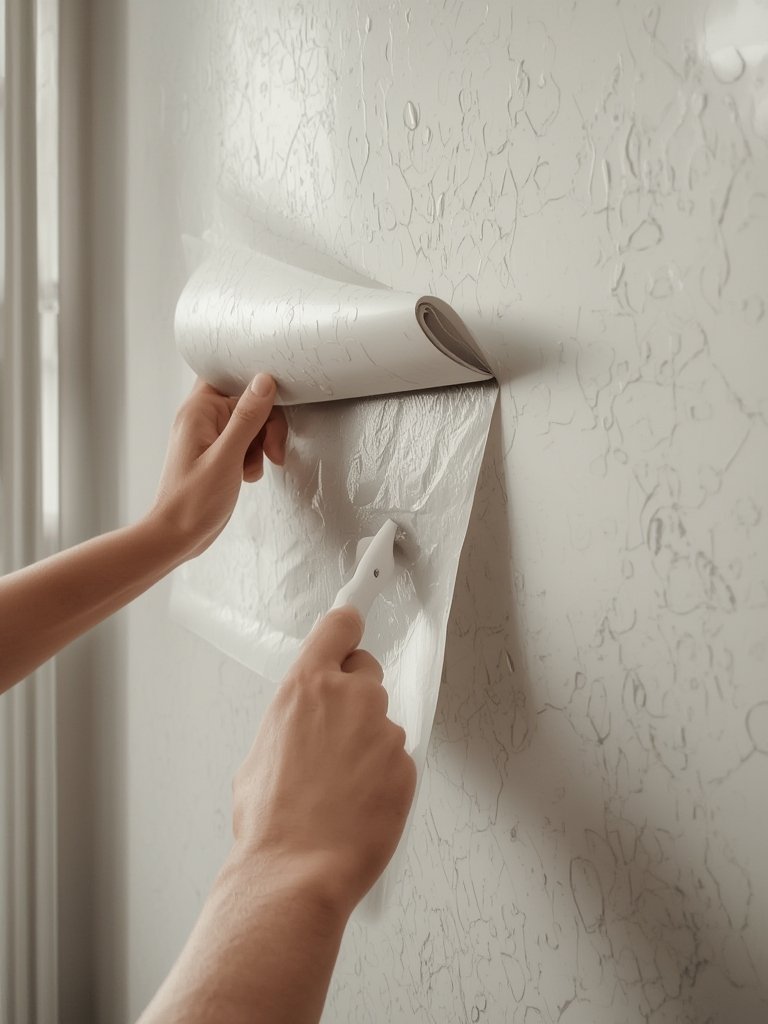
3. Apply the Wallpaper
- Peel back 12 inches of the backing and stick the panel’s top into alignment, smoothing down and outwards.
- Continue peeling the backing a little at a time, smoothing as you go with a felt-edge squeegee or clean cloth.
- Reposition as needed before pressing down firmly for a secure bond.
- For outlets and corners, trim carefully with a sharp utility knife.
4. Finishing Touches & Removal Tips
- Check for bubbles—use a pin to pop and smooth them out.
- Avoid washing with abrasive sponges or harsh chemicals; a damp microfiber cloth is sufficient for cleaning.
- To remove, start at a corner and slowly peel back at a 180-degree angle; apply gentle heat if needed to help prevent paint peel or adhesive residue.
Looking for easy ways to upgrade outdoor spaces, too? See how professional landscape services can add instant curb appeal.
Advanced Analysis: Common Pitfalls & Comparison
While peel and stick wallpaper is marketed as safe for most wall finishes, several potential issues and user pitfalls remain—especially for renters. Here is what market research and real-world experiences reveal:
- Poor Surface Prep: Residue, oils, or moisture can prevent adhesion and cause slippage or peeling corners later.
- Wall Damage on Removal: Fast or aggressive removal can lift paint or thin drywall, especially with older walls.
- Product Quality Differences: Lower-cost papers may have weak adhesives or thin, easily torn materials.
- Pattern Matching Errors: Inattention to measuring and alignment leads to mismatched patterns and wasted rolls.
- Compatibility Issues: Walls with eggshell or matte paints are more likely to suffer damage. Avoid wallpapering freshly painted or damp surfaces.
| Feature | High-Quality Peel and Stick | Low-Quality Peel and Stick | Traditional Wallpaper |
|---|---|---|---|
| Adhesive Technology | Advanced, repositionable, low-residue | Sticky, sometimes leaves residue or damages paint | Paste-applied, permanent or semi-permanent |
| Material Durability | Thick vinyl, high-traffic suitable | Thin, tears during removal, fades quickly | Paper/vinyl, very durable but laborious to install/remove |
| Installation Skill | Beginner to intermediate, DIY-friendly | Easy but prone to bubbles or misalignment | Intermediate to expert, messy |
| Price (2024) | Affordable, but no average cost published | Cheaper upfront, possibly costly if repairs needed | Varies, higher for labor/installation |
| Best For | Renters, short-term makeovers, accent walls | Temporary fixes, low-traffic areas | Permanent home renovations |
Cost transparency is lacking—official reports describe peel and stick options as “affordable,” but no credible 2024 average pricing emerges. Price sensitivity does affect market choice. For those considering multiple home upgrades, see our guide to major home improvement stores for sourcing tips.
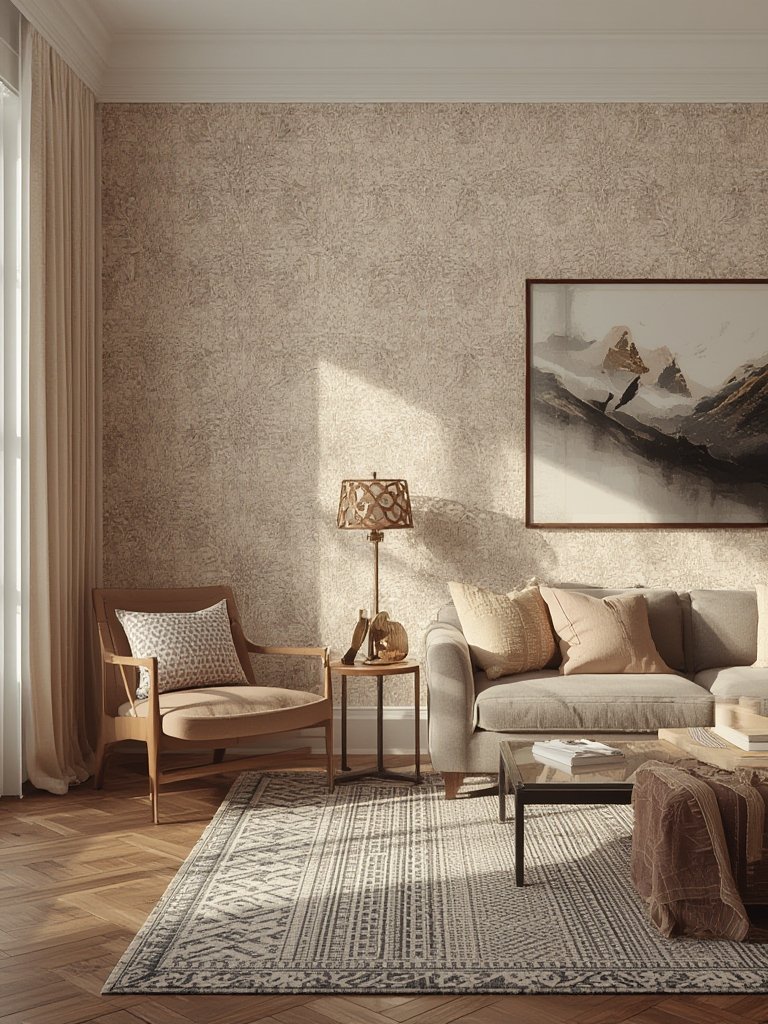
Technical specs like fire safety and moisture resistance are rarely disclosed by brands. If installing in bathrooms or kitchens, check the manufacturer’s details or choose products labeled as “moisture-resistant.” For long-lasting results, opt for well-reviewed vinyl options and recent adhesive technologies—these minimize risk and maximize satisfaction.
If your project is part of a bigger property upgrade, learning how to select top landscaping services can help balance interior and exterior transformations.
Conclusion
Peel and stick wallpaper allows renters and homeowners to transform rooms quickly, affordably, and—if done right—without lasting marks. Key success factors are product selection, meticulous surface preparation, and patience during installation and removal. While no wall covering is 100% risk-free, understanding the realities behind “removable” claims helps set expectations and protects your security deposit. Whether for bold accent walls or subtle backdrops, peel and stick wallpaper remains an innovative option for low-commitment, high-style decor.
Ready to refresh your space? Take the next step by researching top brands—or visit our complete Lowe’s shopping guide for supplies and inspiration.
Frequently Asked Questions
Is peel and stick wallpaper safe for all wall types?
Peel and stick wallpaper works best on clean, smooth, and fully cured painted walls. It may not adhere well to textured, damp, or dirty surfaces and can damage fragile or poorly painted drywall during removal.
How do I prevent damage when removing peel and stick wallpaper?
Go slow, use gentle heat from a hairdryer, and pull the wallpaper back at a 180-degree angle. If resistance is felt, pause and apply more heat. Prep work before installation—like using a primer—can also help with safe future removal.
What’s the difference between vinyl and paper peel and stick wallpaper?
Vinyl peel and stick wallpapers are more durable, moisture-resistant, and suitable for high-traffic areas. Paper options are more delicate and best for low-traffic spaces or short-term projects.
Can I install peel and stick wallpaper in a bathroom?
Some products are moisture-resistant and labeled for bathrooms; however, constant humidity might shorten the lifespan or affect adhesion. Always read the manufacturer’s instructions before use.
Are there any proven ways to fix bubbles or misalignment during installation?
Carefully peel back the affected section, apply light heat, and smooth out bubbles using a squeegee. Realignment is easier earlier in the application—avoid stretching or forcing the material.

[…] 💡 Pro Tip: Focus on one or two ‘hero’ features—such as a lush plant wall or reclaimed wood accent—rather than spreading your budget too thin on multiple elements. 🔥 Hacks & Tricks: Can’t afford premium wood? Try high-quality peel and stick wallpaper that mimics natural finishes for a quick and affordable upgrade—see our full peel and stick wallpaper guide. […]