


### Blog Post:
Solar panel installation home projects are quickly becoming one of the smartest investments for homeowners who want to lower energy bills and future-proof their property. If you’re looking for reliable details and actionable advice on installing solar panels at home in 2024 and 2025, this guide lays out everything you need to know–from upfront costs and incentive details to technical choices, step-by-step process, and common issues you might encounter.
Key Takeaways
- Typical costs for home solar panel installation in 2024 range from $2.74 to $3.30 per watt, with regional and system size factors impacting price.
- The federal solar Investment Tax Credit (ITC) saves homeowners 30% on system costs, significantly improving the return on investment.
- Planning exposes pitfalls like unexpected permitting fees, roof orientation issues, and choosing the right panels and contractor.
- What is Solar Panel Installation at Home and Why Consider It?
- Step-by-Step Guide to Home Solar Panel Installation
- Advanced Analysis & Common Pitfalls
- Conclusion
- FAQ
What is Solar Panel Installation at Home and Why Consider It?
Installing solar panels on your residence means fitting photovoltaic (PV) panels onto your roof or property to capture sunlight and convert it to electricity you can use for your home’s power needs. The main drivers for home solar panel installation are rapidly rising energy costs, increased home value, and substantial incentives that can lower upfront pricing by thousands of dollars.
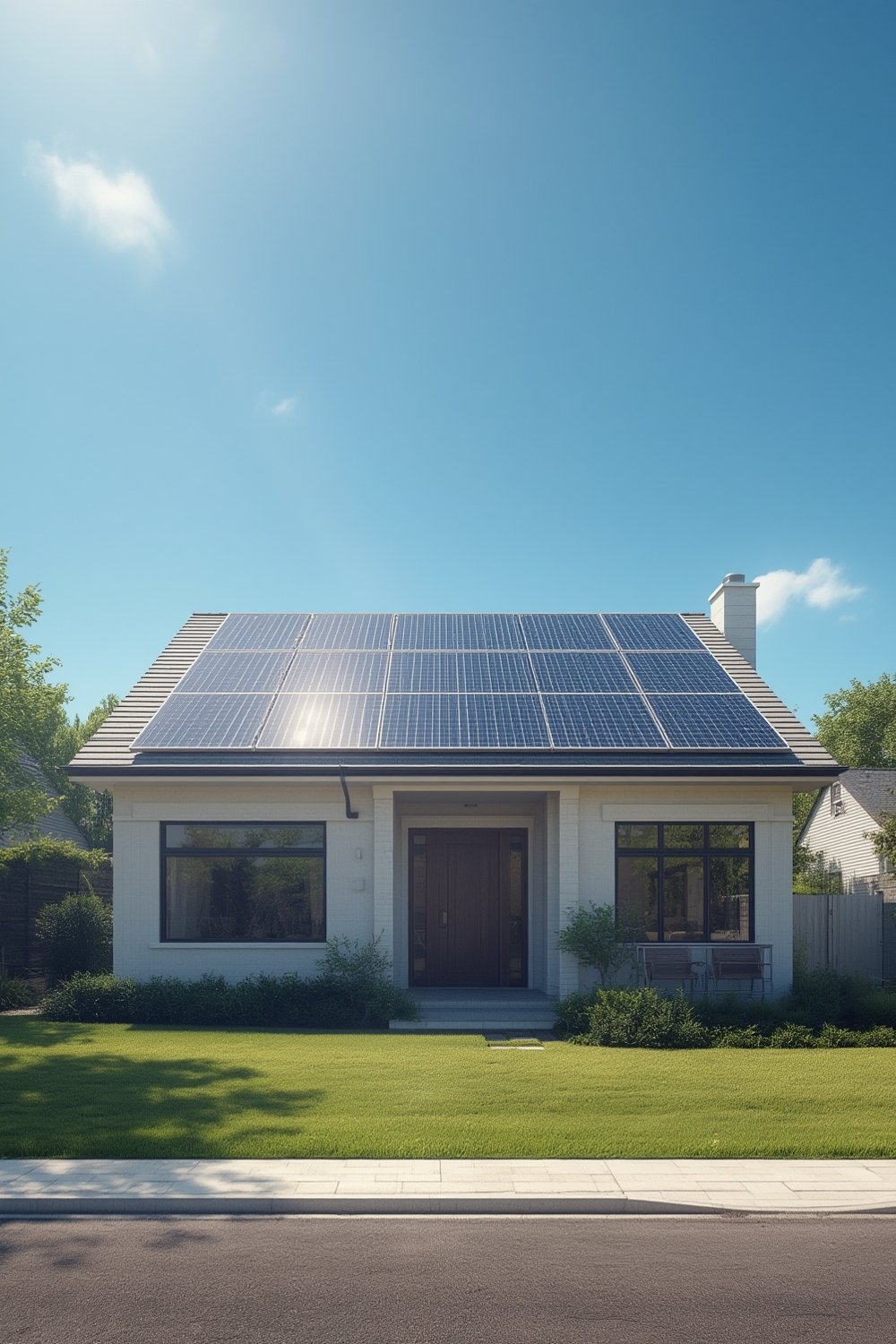
Home solar isn’t a luxury anymore. With average installed costs dropping to $2.74-$3.30 per watt in 2024, a typical 8 kW system sets most homeowners back between $21,900 and $26,400 before incentives. Factor in the 30% federal tax credit, and your net cost drops fast (source).
Besides the financial aspect, solar panel installation helps future-proof your home against electricity rate hikes. It can even improve resale value and reduce your carbon footprint. Yet, navigating costs, tech choices, vendors, and permitting can get confusing. This guide clarifies each step and the main issues to watch out for.
Step-by-Step Guide to Home Solar Panel Installation
-
Assess your home’s solar potential.
- Use historical power bills to determine annual kWh consumption.
- Divide your kWh demand by 1,200 to estimate your needed system size in kW (for most climates).
- Check for shade or north-facing roofs; these can reduce performance by 30-40% and increase cost (source).
- Analyze costs and incentives.
-
Select a qualified installer.
- Compare at least three quotes. Small, reputable local installers often provide lower prices and better support than national chains with huge sales teams.
- Ask about included warranties, actual labor costs (typically $0.50-$1 per watt), and who handles system monitoring after install.
- Optional: get a sense of the process from neighbors or online groups to spot local permitting issues in advance.
-
Secure necessary permits.
- Permitting fees in the US typically range from $110 to $760. Certain states cap fees (California $450, Colorado $500).
- Installers usually handle this—but always confirm so you don’t get stuck in paperwork limbo.
-
Choose your equipment wisely.
- Premium monocrystalline panels cost more ($0.30-$0.50/W, e.g. $120-$200 for a 400W panel), but pay off in higher power per square foot and longer durability (source).
- Don’t ignore inverter tech—a premium, high-efficiency inverter helps maximize production, even on cloudy days. These may push installed price closer to $4.50/W ($32,000+ for a 7 kW system).
-
Installation and grid connection.
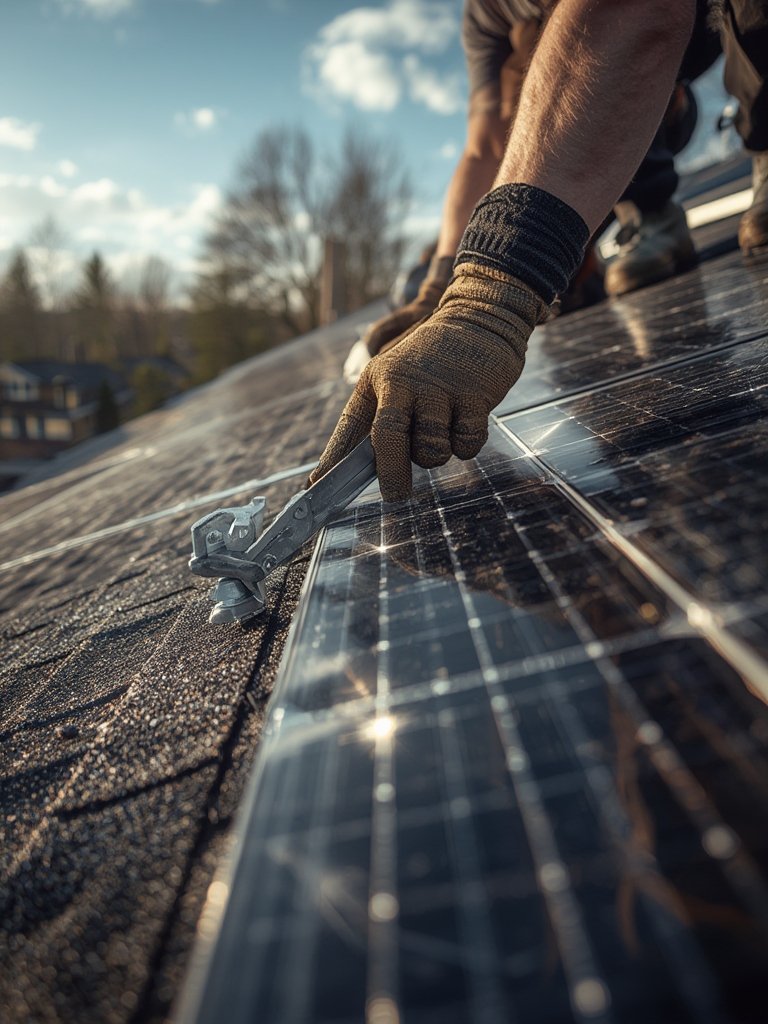
- Actual installation typically takes one to three days. Most of the timeline occurs waiting for permits, inspections, and utility approval (weeks to months depending on your area).
- Expect one inspection before installing (for safety) and one before final sign-off and grid connection.
-
Monitor and maintain.
- Use included monitoring apps to watch daily production and catch faults early.
- Occasional cleaning (especially in dusty areas) and periodic checks for animal intrusion (critter guards help, usually a $400-$600 add-on).
If you’re planning other home upgrades like an energy efficient HVAC upgrade or smart thermostat installation, coordinate these projects. Many install teams can quote for multiple improvements, potentially saving on combined labor and permit fees.
Wondering about battery backup? While adoption rates and pricing are still variable and underreported, Tesla and other brands can bundle battery storage with your solar system for resiliency. Ask for itemized pricing and requirements up front, even if you’re not buying a battery yet, to keep future options open.
Advanced Analysis & Common Pitfalls
Even with recent cost reductions and dependable incentives, installing solar at home isn’t always smooth sailing. Here are the pain points you need to know:
- Price variability: National installer brands often charge more than local electricians—sometimes $2,000-$5,000 more per project—primarily due to sales commissions and marketing budgets rather than better service.
- Roof orientation: North-facing or high-pitch roofs can cost 30-40% more and yield significantly less solar energy. Some homes aren’t ideal, and installers may not always disclose this bluntly.
- Permitting bottlenecks: In certain locales, approval timelines can stretch to months. Even within a state, permit fees can vary widely, adding unpredictability to your budget.
- Maintenance expectations: Periodic cleaning, inverter resets, and warranty repairs are normal—don’t expect zero maintenance.
- Upfront costs and ROI: Even after credits, you’re still investing $12,000-$20,000 minimum. Make sure you’ll remain in your home for at least the payback period (often 7-12 years) to fully benefit.
- Battery storage transparency: Market data on home battery backup adoption is vague. Always get detailed written quotes, and understand permitting implications if you plan to add batteries later.
| System Size | Pre-Incentive Cost | Post 30% Federal Tax Credit | Estimated 25-Year Bill Savings |
|---|---|---|---|
| 4 kW | $12,120 | $8,484 | $30,000+ |
| 6 kW | $18,180 | $12,726 | $55,000+ |
| 8 kW | $24,240 | $16,968 | $75,000+ |
| 10 kW | $30,300 | $21,210 | $95,000+ |
| 13 kW (Premium) | $32,500 | $22,750 | $115,000+ |
Most post-install complaints arise from either a lack of communication from vendors after the system goes live, confusion about incentives and billing, or roof performance miscalculations. An easy fix: choose an installer with clear, documented support policies and verify whether EV charger installation or similar upgrades might alter your roof layout or utility interconnection down the line.

If you want to boost curb appeal after your solar panel project, pairing your installation with landscaping improvements or outdoor space upgrades often creates better long-term value.
Conclusion
Planning a solar panel installation home project can dramatically reduce your future electricity bills and increase property value, but only if you’re prepared for the costs, process, and potential headaches along the way. Know your system size, insist on competitive bids, and carefully factor in incentives—don’t just chase the lowest sticker price. If you address common pitfalls and coordinate with other home improvements like outdoor kitchen installation or modern flooring updates, your investment will pay off for decades. Ready to take control of your energy future? Start comparing quotes, ask tough questions, and make 2025 the year your home goes solar.
FAQ
What is the federal solar tax credit and how does it work?
The federal investment tax credit (ITC) lets you deduct 30% of your home solar installation cost from your federal taxes, directly reducing your tax bill. This applies to the complete system—including panels, inverters, wiring, and labor—through at least 2032.
How long does a typical home solar installation take?
The physical installation on your roof is usually one to three days. With permitting, utility approvals, and inspections, expect the full process to take four to twelve weeks depending on your location.
Do I need battery storage with my solar panels?
No, most systems connect directly to the grid and offer savings without batteries. However, if you want backup power during outages, discuss battery options (like Tesla Powerwall) up front to understand extra costs and permitting requirements.
Will solar panels damage my roof?
When installed by certified pros, modern racking systems anchor securely and shouldn’t cause leaks or damage. Always check your installer’s warranty and ask for references on previous similar roof types.
Can I combine solar installation with other renovation projects?
Absolutely—coordinating solar with exterior upgrades such as new decking or landscaping can streamline timelines and boost curb appeal, sometimes saving on labor and permit fees overall.