


### Blog Post:
Whole home generator installation is becoming a necessity as storms, outages, and grid challenges sweep across U.S. neighborhoods. Homeowners in 2024 are prioritizing reliable backup power—but this process is complex, costly, and easy to get wrong. Let’s break down exactly what’s involved, what to watch out for, and how to ensure a successful installation that keeps your lights on when you need them most.
Key Takeaways
- Whole home generator installations are increasing fast in 2024, with standby generators outpacing portable options for reliability during outages.
- Expect high upfront and ongoing maintenance costs; noise and local code compliance are critical issues—especially in urban areas.
- Proper sizing, placement, and code checks are essential for safe, effective performance and avoiding the most common pitfalls.
- What Is Whole Home Generator Installation and Why Consider It in 2024?
- Step-by-Step Guide: Installing a Whole Home Generator the Right Way
- Advanced Analysis and Common Pitfalls: What Most Homeowners Overlook
- Conclusion
- FAQ
What Is Whole Home Generator Installation and Why Consider It in 2024?
A whole home generator installation means setting up a permanently installed standby generator with an automatic transfer switch that powers your entire home during outages. Unlike portable units, whole-home systems activate automatically, handling everything from refrigerators to medical devices and HVAC—even when you’re not home.
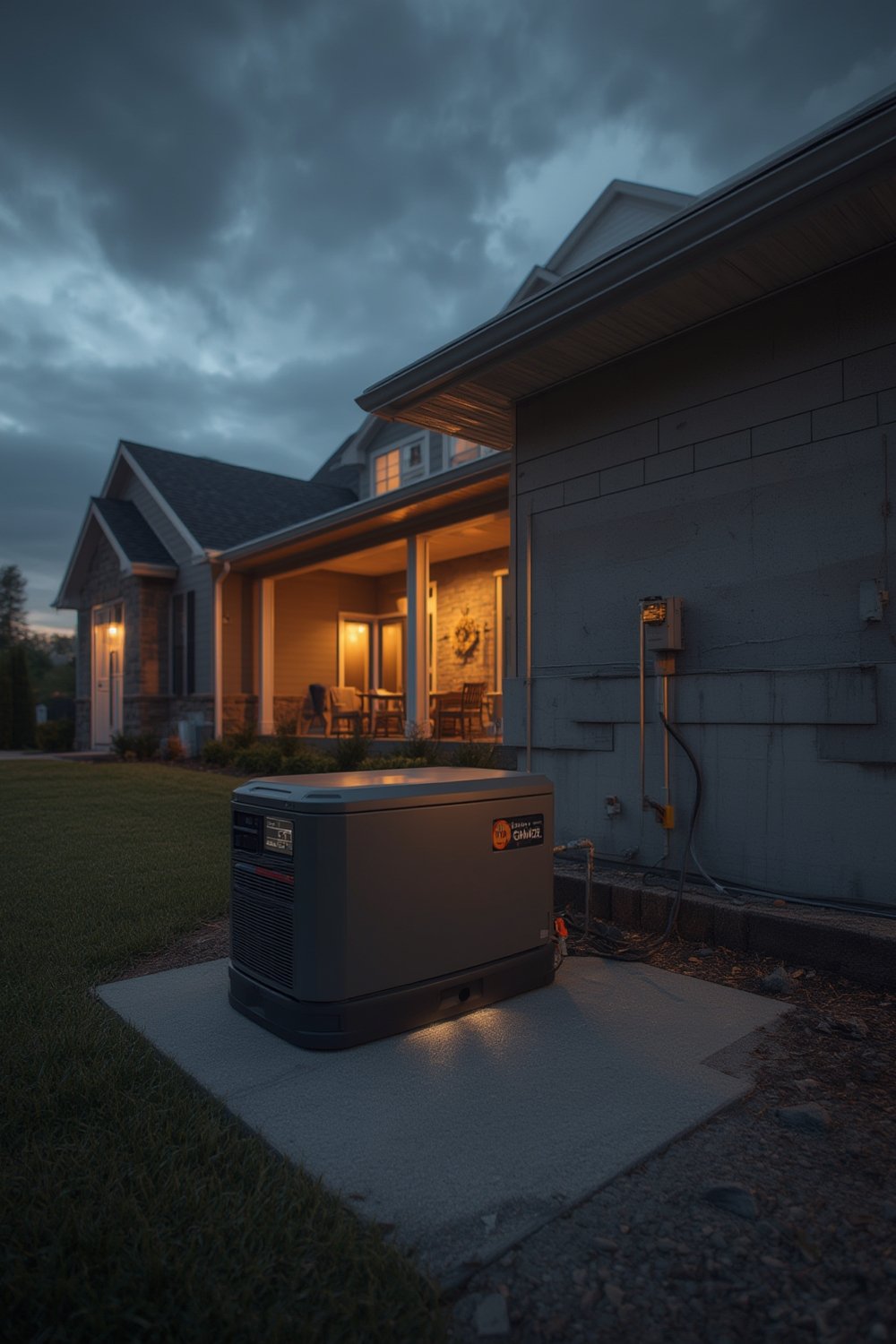
Demand for these systems has soared due to unprecedented power disruptions—over 1.2 billion outage hours in the first nine months of 2024 alone. Residential standby generator sales climbed by 28% at companies like Generac, with homeowners seeking seamless backup for entire homes instead of the limited protection of portables.
Natural gas whole-home generators in the 50 to 100 kVA range are quickly rising in popularity, offering a cleaner, quieter operation and avoiding the fuel storage headaches of gasoline or diesel. Compared to portable generators—better suited for camping or running a few essentials—standby installations provide peace of mind for families, property owners, and those reliant on uninterrupted home power, especially as storms and grid stress multiply.
If you’re investing in major home improvements or thinking about integrating renewables, an advanced generator setup can even work alongside your solar or battery system. For tips on boosting your overall home efficiency, see our resource on energy efficient HVAC upgrades.
Step-by-Step Guide: Installing a Whole Home Generator the Right Way
Here’s what to expect from a successful whole-home generator installation. Following these steps minimizes headaches, maximizes safety, and ensures your backup system truly delivers in an emergency.
- Site Assessment and Consultation
Start by consulting a local, licensed installer. They’ll evaluate your power needs, recommend potential generator sizes (50–100 kVA for most full homes), and check code requirements and utility setbacks unique to your area. If you’ve recently done other upgrades, like a smart home installation, let your electrician know—modern appliances and EV chargers affect your overall power load. - Permitting and Code Review
Secure required permits from your city or county. Codes often address placement (typically several feet from windows, doors, and property lines), plus maximum allowable decibel levels. Noise and emissions rules can be strict, particularly in cities. Discuss options for mufflers or sound-attenuating enclosures, especially if you’re near neighbors or in an HOA. - Equipment Selection and Sizing
Choose a generator brand (Generac is top-rated for U.S. homes), fuel source (natural gas is preferred for emissions and convenience), and pick a model with an automatic transfer switch (ATS). Check for compatibility with existing home systems and possible integration with future upgrades like rooftop solar. - Installation—Electrical, Placement, and Fuel Connection
The installer will pour a pad or secure a stand, mount the generator unit, connect the ATS, and tie into your home’s electrical panel. Gas units require plumbing into existing natural gas or propane lines, so expect coordination between trades. This is when missed steps, like proper venting or slab elevation, can create fire hazards or code violations if not carefully followed. - Start-Up Testing and Final Inspection
Don’t skip this stage: ensure your installer does a real-time power fail simulation, tests the ATS response, and checks for leaks, correct amperage, and compliance with local codes. The permitting authority or utility will likely require a final inspection before sign-off. - Maintenance Plan and Remote Monitoring
Create a preventive maintenance schedule (oil and filter changes, battery checks, simulated runs). If possible, enable remote monitoring. Expect quarterly or semi-annual maintenance costs. See our guide on smart thermostat installation for tips on integrating control systems for better efficiency.
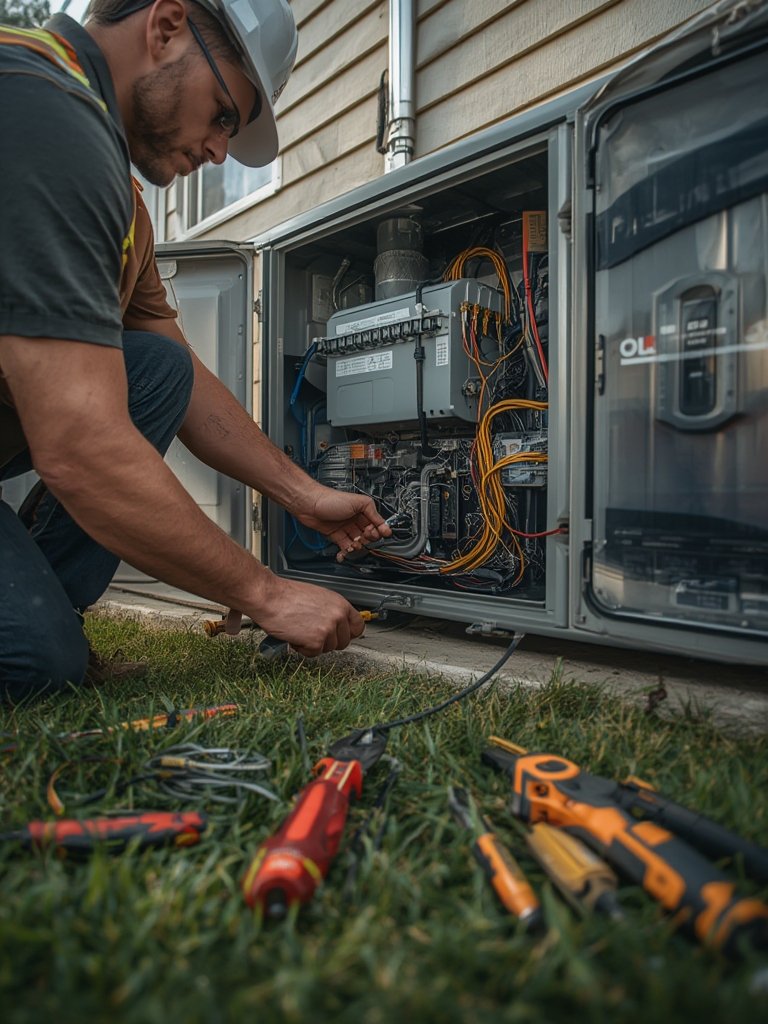
On average, the process from consultation to sign-off takes two to six weeks—longer if parts are backordered or local permitting is slow. Labor shortages in 2024 mean you should secure your installer early.
Thinking about a multi-use backyard or an overhaul? Upgrades like outdoor kitchen installation may impact your generator’s size and fuel line routing, so include these in your planning.
Advanced Analysis and Common Pitfalls: What Most Homeowners Overlook
Installation isn’t just about plugging in and flipping a switch. With the average U.S. generator installation cost running high and costs varying by region, there are critical issues many homeowners encounter—often well after the electrician leaves.
| Issue | Potential Problem | Actionable Solution |
|---|---|---|
| Ongoing Maintenance Cost | Quarterly/annual service can be $300–$800+ each visit. Delays increase breakdown risk. | Budget for maintenance upfront. Consider service contracts with remote monitoring to spot issues early. |
| Noise & Emissions | Urban and HOA restrictions can trigger fines. High decibel output upsets neighbors. | Choose models certified for sound control; invest in additional mufflers or enclosures if needed. |
| Permitting & Code Violations | Setback, ventilation, and fuel line missteps are common—may require expensive rework or removal. | Hire an installer with code experience; never skip the formal inspection. |
| Oversizing/Undersizing | Too big wastes fuel/cost; too small risks system overload or failure to power essentials. | Insist on a full, custom load analysis before purchase. |
| Integration Gaps | Fails to sync with solar/battery or EV charger; can lose backup capability for critical systems. | Future-proof with compatible ATS and consult on hybrid integration during planning. |
Research in early 2024 highlights that maintenance and noise remain the most frequent complaints, along with significant investment up front. Many users underestimate the complexity of local code compliance, especially when combining with systems like EV charger installation. There’s also a lack of robust data on property value impact, so don’t assume your generator will increase your home’s market price.

Lastly, climate-driven code changes and labor shortages can delay projects—plan ahead, and always verify your installer’s references and credentials.
Want to make the most of your overall project? Upgrading outside spaces can also enhance function and value; discover the benefits of multi-level deck designs for outdoor living.
Conclusion
Installing a full backup system is a major commitment—but for many, it’s increasingly essential. Rising outages and grid instability mean reliability is more important than ever, and a carefully planned whole home generator installation is the foundation for peace of mind. Be realistic about the investment, maintenance, and planning required—taking shortcuts almost always leads to regret, so work with reputable professionals.
Ready to protect your home with a whole home generator installation? Start your research, get quotes from licensed local experts, and make sure your backup power is ready for what comes next.
FAQ
How much does a whole home generator installation cost in 2024?
Costs vary, but most installations run between $10,000 and $22,000 for equipment, installation, automatic transfer switch, permits, and basic fuel connection. Ongoing maintenance can add several hundred dollars per year. Supply chain and labor shortages may increase pricing.
What’s the difference between a portable and a whole home generator?
Portable generators are smaller, cheaper, and can only power selected circuits or appliances. Whole home generators are permanently installed, activate automatically, and can provide power to every circuit in your house.
How long does the installation process take?
Expect two to six weeks from site assessment to final inspection. Delays are possible due to permit holdups or supply issues, especially in busy seasons or areas with labor shortages.
What maintenance is required for standby generators?
Regular oil and filter changes, battery checks, simulated power failure tests, and occasional software updates. Quarterly or semi-annual professional servicing is recommended.
Does installing a whole home generator increase property value?
There’s no definitive 2024 data confirming a boost to property value or decreased insurance rates, though reliability can appeal to buyers in outage-prone areas.
—