


Whole home water filtration system installations are rapidly increasing as families seek protection from contaminants like lead, PFAS, and microplastics that municipal water may not adequately remove. But with new technology, complex options, and rising costs, how do you choose the right whole house filtration—and what should you realistically expect before investing?
Key Takeaways
- The U.S. residential filtration market is booming, driven by groundwater contamination fears and rising adoption of reverse osmosis and carbon systems.
- Each whole home system type (RO, carbon, UV) has distinct strengths—and potential drawbacks to consider, like cost, mineral loss, and ongoing maintenance needs.
- Many competitor guides ignore real pitfalls: pressure loss, required permits, and the true costs of ownership.
- What is a Whole Home Water Filtration System and Why Install One?
- Step-by-Step Guide to Choosing and Setting Up a Whole Home Water Filtration System
- Advanced Analysis & Common Pitfalls of Whole Home Water Filtration
- Conclusion
- FAQs
What is a Whole Home Water Filtration System and Why Install One?
A whole home water filtration system, also called a point-of-entry (POE) system, treats all water entering your house at the main line—so that every tap, shower, and appliance receives filtered water. This is different from point-of-use (POU) filters, which only treat water at specific locations like a kitchen faucet or fridge. U.S. families use about 300 gallons of water daily for drinking, cooking, bathing, and laundry. With aging infrastructure and increased detection of contaminants like PFAS (affecting up to 95 million Americans), more homeowners are turning to these systems for peace of mind and improved water quality throughout the home (Future Market Insights).
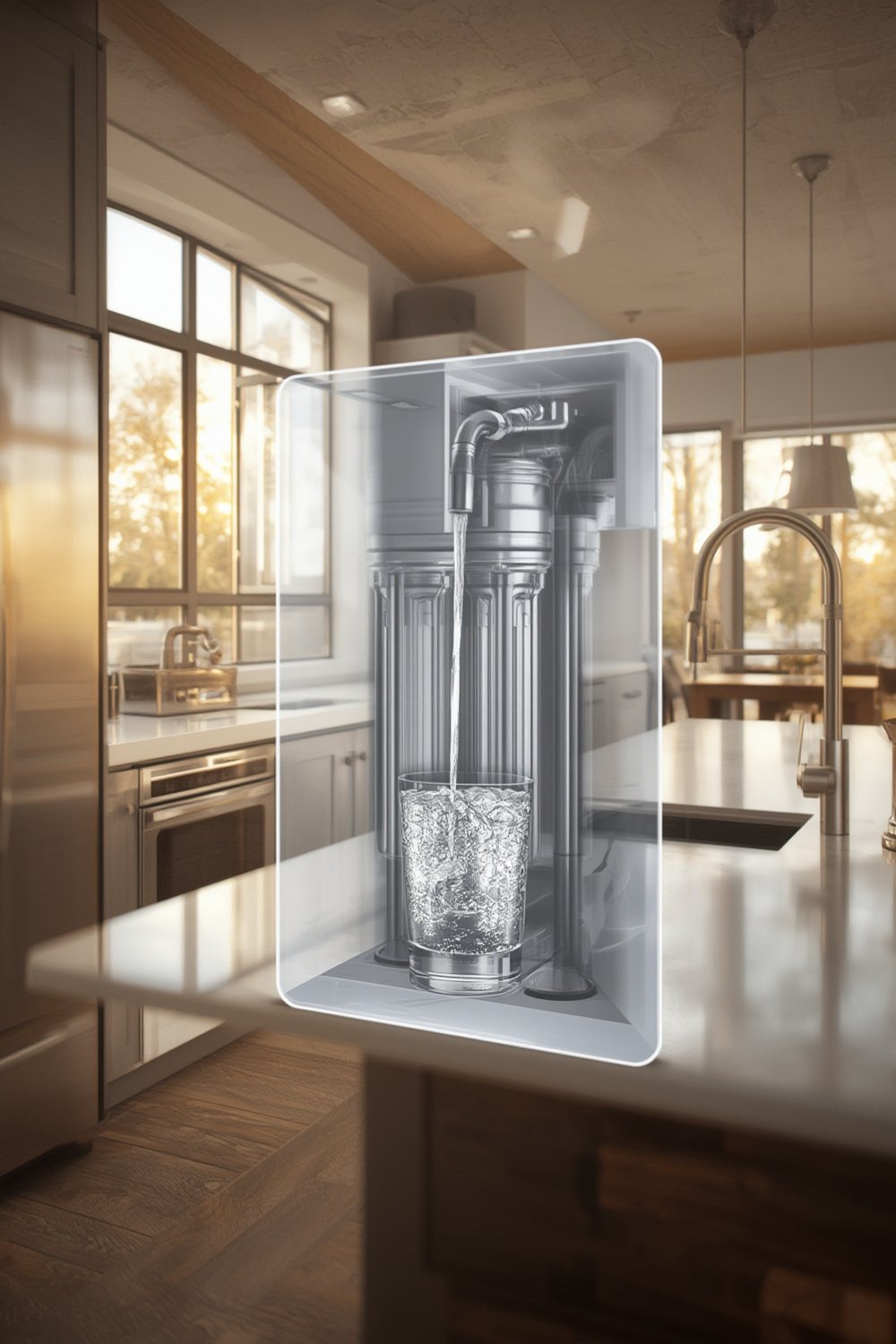
Key benefits include:
- Reduces exposure to lead, microplastics, PFAS, chlorine byproducts, and pathogens at every fixture
- Extends appliance lifespan and protects plumbing from sediment and buildup
- Improves water taste, odor, and appearance
Market trends show residential demand for POE systems is rising steadily—valued at $4.8 billion globally in 2024, with reverse osmosis (RO) and carbon-based systems leading, and North America ahead in adoption (Polaris Market Research).
Step-by-Step Guide to Choosing and Setting Up a Whole Home Water Filtration System
- Assess Your Water Quality
Have your tap water tested for contaminants—especially if you use a well or live in areas with known issues (PFAS, iron, hardness, etc.). Home test kits can reveal chlorine, hardness, and lead, but for deeper results, request a certified lab analysis. - Match Filtration Type to Your Needs
- Reverse Osmosis (RO): Removes up to 99% of dissolved solids, heavy metals, and bacteria. Known for effectiveness—however, costly, may reduce beneficial minerals, and requires ongoing maintenance.
- Activated Carbon: Good for chlorine byproducts, sediment, and some heavy metals. More budget friendly but less effective for all impurities.
- UV Purification: Destroys microorganisms but does not remove chemicals, metals, or sediment. Often used alongside RO or carbon units (Fortune Business Insights).
- Calculate Sizing and Flow Rate
System capacity is measured in gallons per minute (GPM). Too small a system will result in frustrating water pressure drops—especially during simultaneous shower or laundry use. - Prepare for Installation
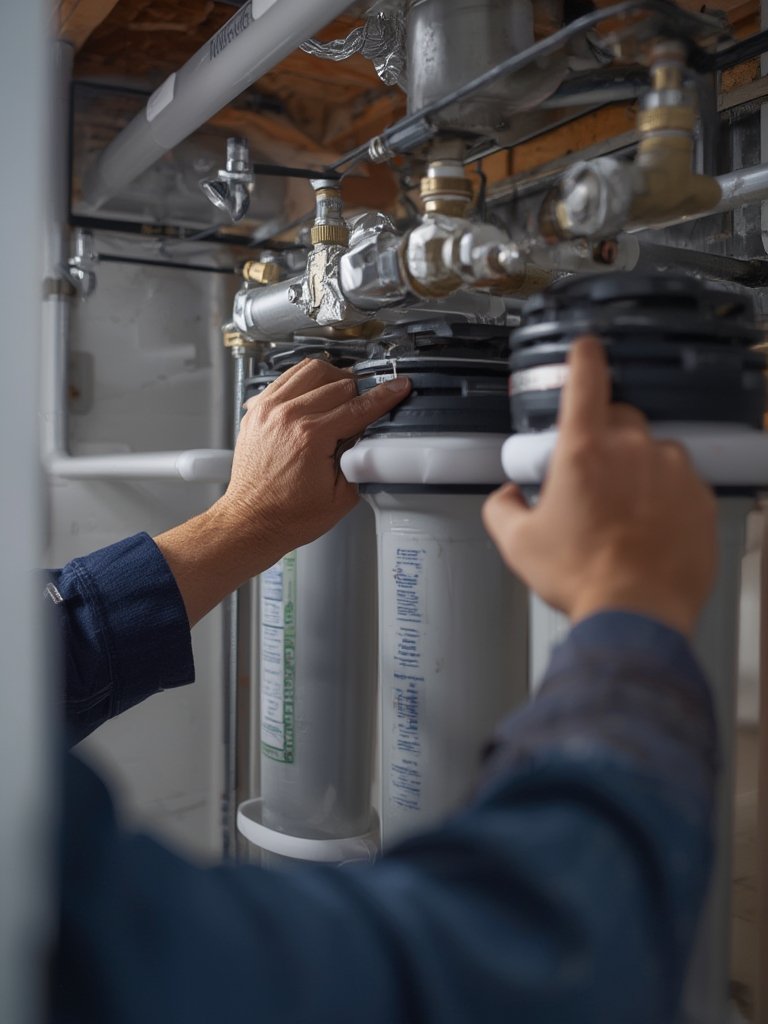
Choose a professional installer familiar with local plumbing codes, especially if you live in regions with strict water regulations. This is essential for insurance coverage and peace of mind. - Monitor and Maintain System
Replace filters as recommended. Skipping this step leads to reduced efficacy and even bacteria growth. Schedule annual professional maintenance to catch issues early.💡 Pro Tip: Save the receipts and log filter changes in your phone calendar—not only for warranty, but to stay on track and avoid costly emergency service calls.🔥 Hacks & Tricks: If your system has pressure gauges, check them monthly. A sudden pressure drop is not just inconvenient—it’s an early warning of filter clogging and prevents possible burst pipes.
Want to maximize property value or prepping for major renovations? Tackle water filtration alongside projects like energy efficient HVAC upgrades or a bathroom renovation for the best experience and lower installation pricing when jobs are bundled.
For eco-forward upgrades, consider how filtration supports whole-house projects such as solar panel installation or composite decking installation. Planning these together can help reduce permit headaches and disruptions.
Advanced Analysis & Common Pitfalls of Whole Home Water Filtration
Despite the positives, there are realistic downsides and technical limitations:
- Filter System Type Limitations
System Type Removes Key Limitations Reverse Osmosis (RO) Dissolved solids, heavy metals, bacteria, chemicals High cost, waste water produced, strips vital minerals (calcium, iron, magnesium), frequent filter changes, may alter taste Activated Carbon Chlorine byproducts, some heavy metals, sediment Does not remove all dissolved solids, less effective for viruses/microorganisms, multi-stage units often required UV Purifier Microorganisms (bacteria, viruses) Ineffective against chemicals/metals, dependent on water clarity, requires electricity - Market Gaps & Unknowns
Costs for equipment, installation, and maintenance in 2024 can range widely; real-world performance data like filter lifespan or actual pressure loss are seldom published in competitor guides. That matters because under-sizing or improper filter changes can lead to premature failure or plumbing issues. - Potential Installation Pitfalls
Most regions require compliance with local plumbing codes—and possibly permits—though details are rarely disclosed. Regulatory focus in the U.S. varies, but EPA-driven lead initiatives and evolving water quality rules can impact home projects (The Freedonia Group). - Maintenance Surprises
Skimping on maintenance leads to bacterial buildup or clogging, causing pressure drops. Monitor water pressure at fixtures—loss often signals filter issues, but many homeowners discover this only after damage is done. - Pressure Reduction at Peak Use
Inadequate system sizing or neglecting multi-bathroom demands can cause weak showers or slow appliance fills—especially in larger homes or during simultaneous use.
Other home projects can be similarly affected by regulatory red tape—see more in our guide to whole home generator installation where permitting and capacity planning also drive success.

Conclusion
Adopting a whole home water filtration system is increasingly necessary as U.S. water infrastructure ages and new pollutants emerge. While carbon and RO systems deliver strong contaminant removal, each comes with cost, maintenance, and sizing realities that most guides gloss over. Plan carefully, choose the right type, and ensure ongoing maintenance to get the best protection for your household. For more ways to boost your home’s health and value, explore upgrades like LVP flooring installation or heat pump water heater installation.
Ready to transform your home’s water quality? Start researching your local water report and filtration options—or contact a vetted pro to get a whole home water filtration system customized for your needs.
FAQs
How long does a whole home water filtration system last?
Most systems last 10 to 20 years, but filter cartridges or RO membranes typically need replacement every 6-12 months. Maintenance schedule depends on water quality and usage.
Will the installation impact my water pressure?
If sized correctly, most systems have minimal impact. However, undersized filters or poor installation can noticeably reduce pressure, especially during simultaneous water use.
Do I need a permit to install a whole home filtration system?
Many municipalities require plumbing permits and code-compliant installation, especially for systems affecting the main water line. Always check local regulations before starting.
Which contaminants are most effectively removed by RO, carbon, and UV systems?
RO removes dissolved solids, metals, and bacteria; carbon is best for chlorine, sediment, and some metals; UV targets bacteria and viruses. Each has its own technical limits and may be combined for broader protection.
What maintenance does a whole home filtration system require?
Routine filter changes, pressure checks, and annual professional inspection are recommended. Ignoring maintenance can lead to reduced filtration and possible health risks.