


When planning a ductless mini split installation, knowing the true costs, challenges, and crucial technical requirements can save you thousands and prevent major headaches. Whether you need single-zone climate control or a large whole-house system, the right prep can make or break your comfort and budget. This guide covers 2024 cost data, incentives, installation pitfalls, and actionable steps for a successful project—backed by real user and contractor research.
Key Takeaways
- Installed cost for ductless mini split systems in 2024 ranges from $2,500 to $15,000+, depending on size, zones, and region.
- Electrical upgrades, permit/code delays, and poor layout are top reasons installs exceed budget or fail to perform.
- Claim up to $2,000/year in federal tax credits for qualifying energy-efficient minisplit heat pumps—plus potential state or utility rebates.
- Understanding Ductless Mini Split Installation
- Step-by-Step Guide
- Advanced Analysis & Common Pitfalls
- Conclusion
- FAQ
Understanding Ductless Mini Split Installation
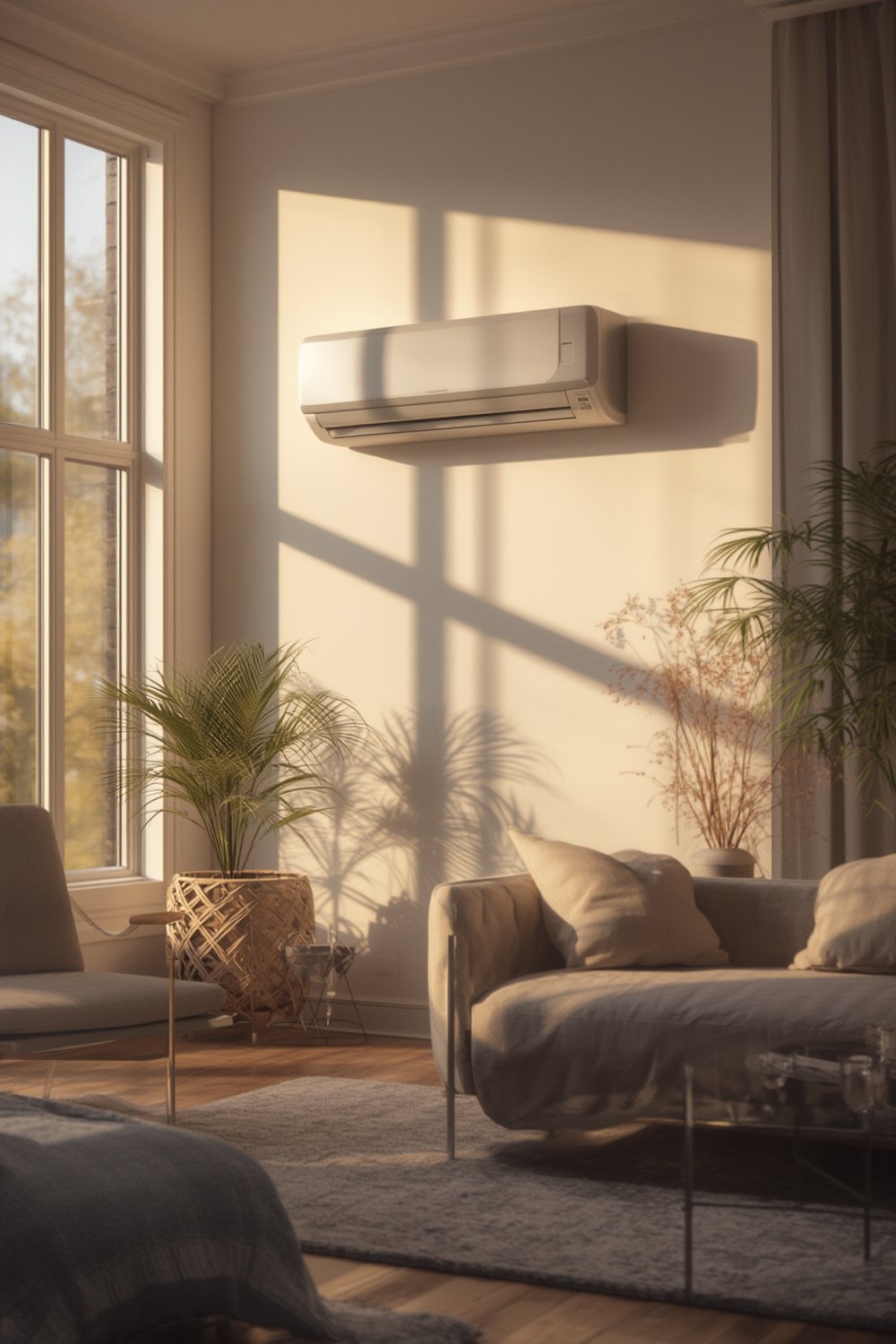
Ductless mini split installation means setting up a zoned heating and cooling system without traditional ductwork. Instead, an outdoor heat pump connects by refrigerant lines and wiring to wall-mounted indoor units—which control temperatures room by room.
Why do homeowners choose ductless? Three main reasons stand out:
- No need to add bulky ducts—ideal for additions, older homes, or specific room control.
- Energy efficiency often outpaces central or window AC, especially for variable climates or partial loads.
- New federal and state-level incentives in 2024 make these systems more attractive than ever.
However, successfully installing a mini split isn’t as easy as just picking a kit. Actual costs swing dramatically based on zones, house size, and hidden electrical or construction work. Understanding what drives that complexity—not just buying the lowest quote—will ensure comfort for the next decade.
If energy savings and home upgrades are your interest, check related guides like Upgrading to a high-efficiency HVAC system and installing a heat pump water heater for more actionable insights.
Step-by-Step Guide
Follow these steps for a ductless mini split installation that stays on budget and delivers the comfort you expect:
-
Assess your space and usage
Map out which rooms need independent temperature control. Single-zone systems serve one area; multi-zone systems (2-5+ heads) cover more. Size in BTUs depends on room square footage and insulation. -
Get 2-3 local quotes—including a detailed site walkthrough
A good contractor will check panel capacity, wall structure, and line routing challenges on-site, not just estimate by phone. -
Verify electrical requirements
Most systems require a dedicated 240 V circuit. Multi-zone or larger capacity setups might need a panel upgrade or subpanel. -
Plan for line set, drain, and indoor head locations
Consider aesthetics (how visible lines and indoor units are) and the shortest, least-invasive routes for refrigerant pipes and drains. -
Confirm permit needs and rebate eligibility
Check municipality requirements and utility or tax incentives. Detailed documentation is often needed for rebate claims. -
Schedule install, prep the area, and review with your installer
Ensure clear access, move furniture, and confirm all locations before work begins. -
Commissioning and testing
A licensed pro must vacuum, pressurize, inspect, and properly charge the system before startup. Final walkthrough includes registering the warranty and reviewing controls.
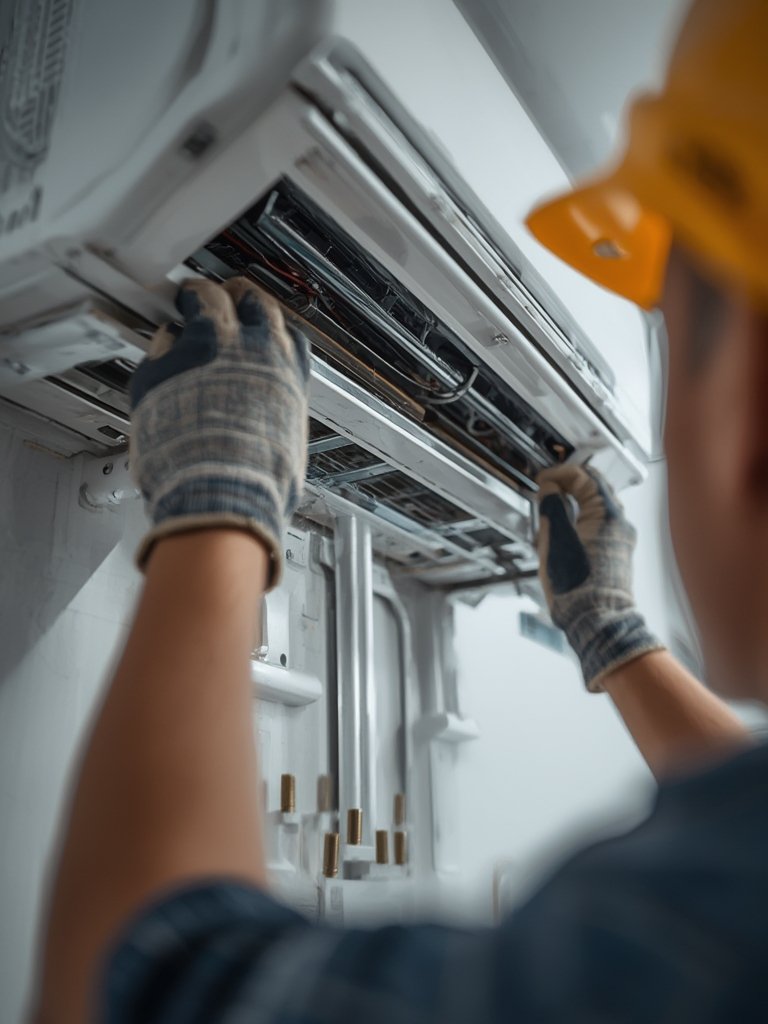
Remember, most manufacturers require licensed installer sign-off for warranty eligibility. DIY kits with pre-charged lines exist, but full self-installation often voids system warranties and is not recommended unless you really know local code and trade practice.
Interested in related home upgrades that complement a new HVAC investment? Explore our guides on spray foam insulation and upgrading windows for energy efficiency to get the most from your climate control system.
Advanced Analysis & Common Pitfalls
Even with a skilled crew, these common pitfalls derail ductless mini split installation projects:
- Unplanned electrical work: Discovering that your main panel lacks available capacity or that you must install a new subpanel can add $1,000–$3,000 and delay the project.
- Poor line set planning: Running lines through stone, brick, or dense framing adds labor and makes linesets harder to conceal. Visible trunking and covers are a leading source of post-project regret.
- Condensate drain mistakes: Sloppy or upward-sloped drains cause water leaks, mold, ceiling stains, and pump failures—one of the most common repair calls by year two.
- Incorrect sizing and zoning: Oversized systems short-cycle, use more power, and fail to dehumidify. Undersized units can’t keep up when temperatures spike.
- DIY or unlicensed install issues: Most brands will deny warranty claims for systems not installed by licensed, credentialed HVAC techs—even if the system works at first.
| System Type | Installed Cost (2024-2025) | Typical Complexity | Downtime/Repair Impact |
|---|---|---|---|
| Single-Zone | $2,500–$4,500 | Short line set, minimal wiring, quick install | Problem limited to one zone |
| Multi-Zone (2–3 heads) | $4,500–$9,500 | Multiple lines, possible panel upgrade, careful routing | Failure can affect all connected zones |
| Large Multi-Zone (4+ heads) | $8,000–$15,000+ | Long lines, more drains, structural work, higher labor | Outdoor unit or branch box failure impacts entire system |
For an in-depth look at the range of costs nationwide and by system type, see the updated data at Alpine Home Air and Della Home’s cost guide.
Don’t overlook incentives. 2024’s Inflation Reduction Act tax credits allow homeowners to claim 30% (up to $2,000 per year) for qualifying ductless mini split heat pump installs. Many states also offer rebates—a crucial step to make advanced upgrades more affordable.
Explore other ways to boost home value and comfort in our guides to composite decking or even creating an ADU from your garage for better space and ROI.

Conclusion
Ductless mini split installation can transform your home’s comfort and energy bills—but only if you plan for technical challenges, hidden costs, and code compliance from the start. Always factor in real-world install hurdles and bring in a qualified pro for design and warranty coverage. Claim all available tax credits and rebates to maximize your return.
Want tailored advice and insider tips on your ductless mini split installation plans? Subscribe, get quotes from local pros, and start your project with real confidence.
FAQ
What is the typical total cost to install a ductless mini split in 2024?
Installed costs range from $2,500 for a small, single-zone setup to $15,000 or more for large multi-zone systems, with most common residential jobs falling between $3,000 and $10,000. Costs depend on system size, zones, labor, electrical work, and region.
Are DIY mini split systems a good idea?
DIY is only practical for pre-charged, manufacturer-approved kits in simple setups. Most brands require licensed installation for full warranty coverage, and improper electrical or refrigerant work can cause leaks, fire hazards, and denied claims.
How much can I claim in rebates or tax credits?
The federal Inflation Reduction Act allows up to $2,000 per year (30% of installed cost) for eligible ductless mini split heat pumps. Many states and utilities add $300–$2,000+ in rebates. Always check with your contractor and local authority for current details.
What are the most common install mistakes to avoid?
The most frequent problems are poor electrical planning, incorrect system sizing, inadequate condensate drainage, and failing to account for permit/code requirements. These can lead to leaks, discomfort, or costly rework.
How long does professional installation take?
Single-zone installs typically take half a day to one day. Multi-zone jobs usually require one to four days depending on the number of heads, line routing, and whether electrical panel upgrades are needed.
