


### Blog Post:
Window replacement cost is a major consideration for any homeowner looking to upgrade their windows for energy savings, better comfort, or increased home value. Understanding the factors behind pricing, available rebates, common pitfalls, and proven steps will save you money and headaches.
Key Takeaways
- Triple-pane windows qualify for the highest energy efficiency tax credits but come at a much higher price than dual-pane options.
- Federal tax credits and local rebates can significantly offset window replacement cost—up to 30% or $600 per year.
- Missteps like choosing low-quality installers or neglecting to claim incentives are among the costliest window replacement mistakes.
- What Affects Window Replacement Cost?
- Step-by-Step Window Replacement Guide
- Advanced Analysis & Common Pitfalls
- Conclusion
- Frequently Asked Questions
What Affects Window Replacement Cost?
The cost to replace windows varies widely based on material type, glass efficiency, labor rates, and available rebates. Although current detailed pricing by region or material is not accessible, a few universal drivers determine what you pay:
- Window Material: Vinyl windows are generally the most affordable. Triple-pane and fiberglass options provide higher performance but increase overall costs.
- Energy Efficiency: To qualify for the 30% federal tax credit (up to $600), installed windows must be Energy Star certified, and starting in 2025, must meet the stricter “Most Efficient” rating.
Source: ImproveitUSA FAQ - Installation Complexity: Custom sizes, rotted frame repair, or unusual layouts will increase the total bill by hundreds or thousands.
- State & Utility Incentives: Beyond federal credits, local utility rebates (such as $15 per window or $40 per patio door through Michigan’s Consumers Energy) can shave down costs if requirements are met.
Source: Consumers Energy
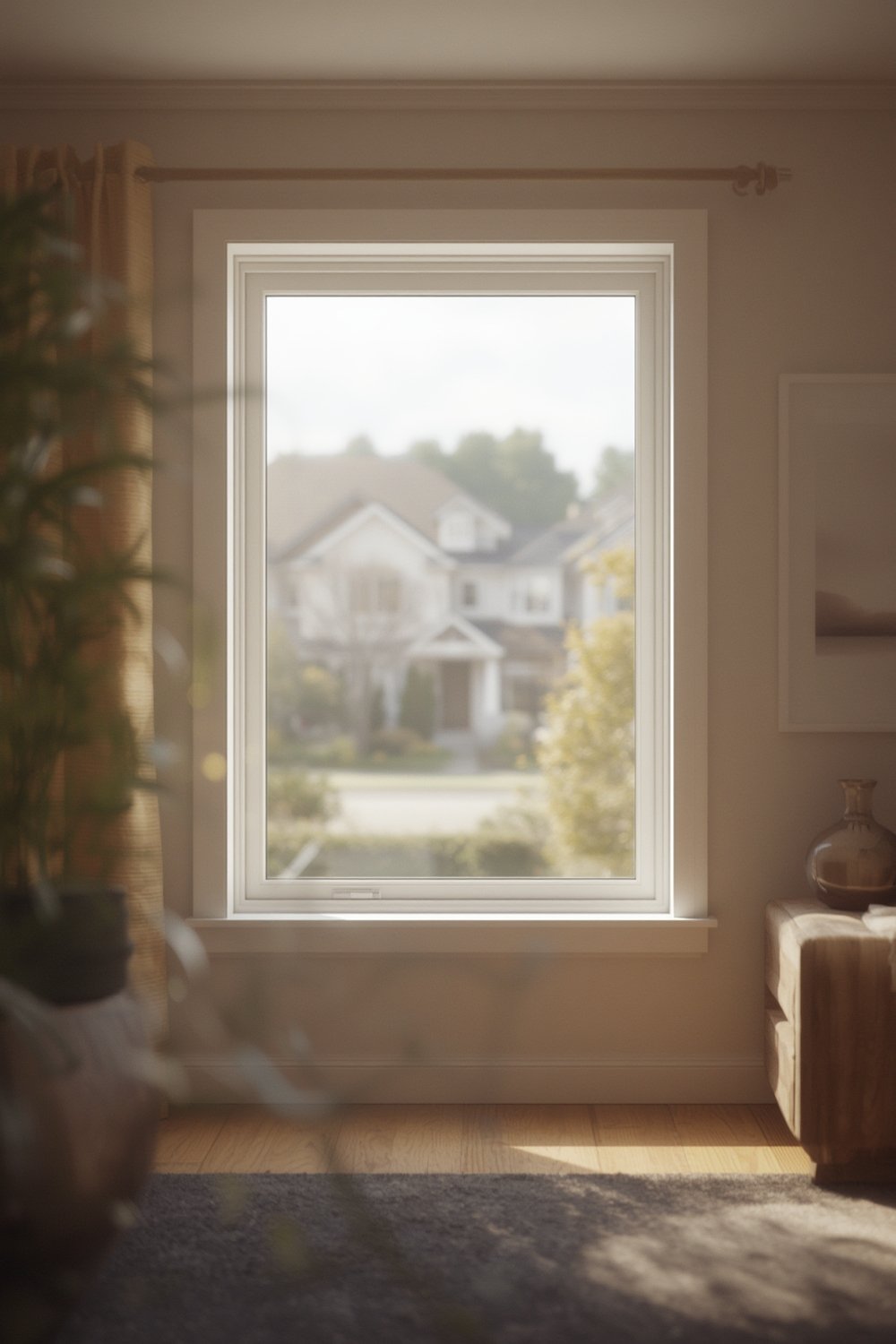
To find out which incentives are available for your home, use the Energy Star Rebate Finder and contact your local energy provider.
Step-by-Step Window Replacement Guide
- Assess Window Needs: Check for drafts, rot, condensation between panes, and faulty locks. Review the style and function you want (single-hung, casement, picture, etc.).
- Set a Realistic Budget: Factor in the number of windows, material type, and labor in your area. Expect a higher window replacement cost if you choose triple-pane or wood frames.
- Research Rebates & Credits: Confirm what federal, state, and utility incentives you qualify for. Gathering this info may reduce your total payback period by years.
- Choose Energy Efficient Options: Verify that any chosen product meets current Energy Star requirements. If replacing in or after 2025, triple-pane windows are often mandatory for the “Most Efficient” tier and top tax benefits.
Source: Energy Star - Get Multiple Installer Quotes: Ask each installer for product details, labor warranties, recent project photos, and clear pricing breakdowns. Avoid price-only decision making as cheapest rarely means best.
- Check Contractor Qualifications: Confirm certifications, insurance, and reviews. For some rebates (like in Michigan), you must use a qualified contractor and submit proof of Energy Star certification.
- Schedule Installation at the Right Time: Spring and fall are ideal to avoid extreme temperatures interfering with sealants or interior comfort.
- Handle All Paperwork Promptly: Save window and labor invoices, EPA-lead safe documentation (if home is pre-1978), and window serial numbers to claim rebates and tax credits.
- Plan for Waste Removal: Disposal fees can be significant. Clarify with your installer if haul-away is included.
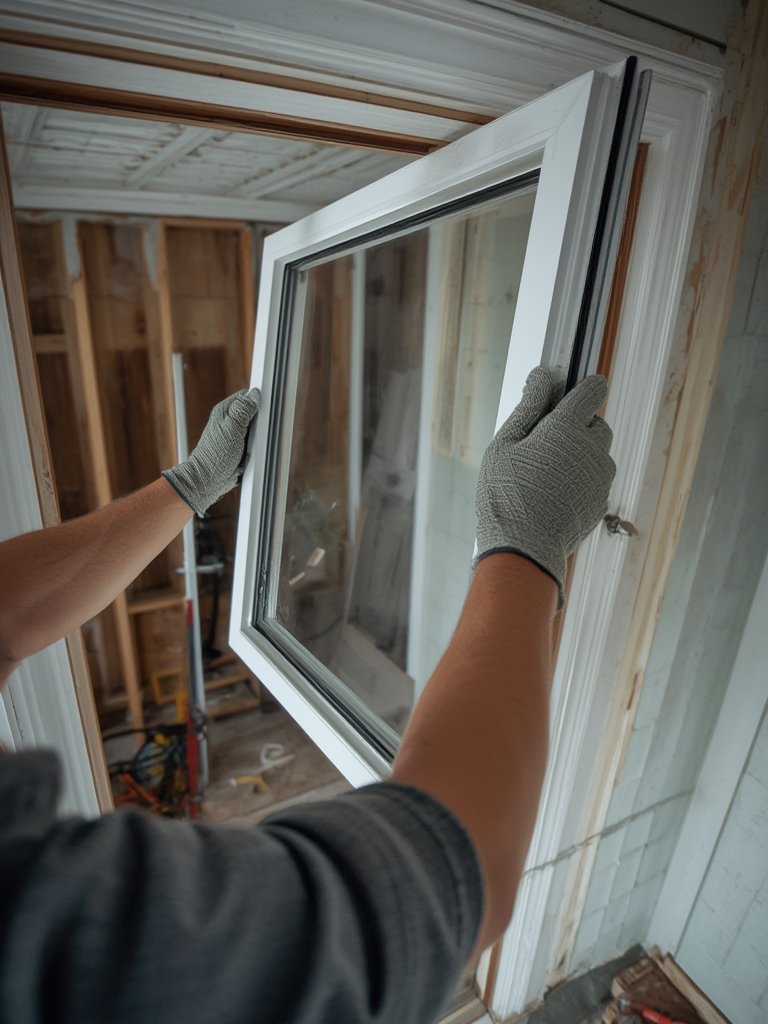
For additional ways to improve your home’s energy performance and upgrade value, consider reading our Energy Efficient HVAC Upgrade Guide or see how spray foam insulation delivers more savings when paired with new windows.
Advanced Analysis & Common Pitfalls
Avoiding the most common window replacement errors can save you both money and frustration. Here’s what to watch for:
- Neglecting Incentives: Many homeowners miss out on rebates and don’t file for federal tax credits, resulting in hundreds lost.
- Overpaying for Minimal Efficiency Gains: While triple-pane windows are required for top-tier tax credits in 2025 and beyond, their energy savings may be modest compared to high-quality dual-pane options, despite the much higher price.
See Improveit’s analysis - Poor Installation: Even premium windows will underperform or leak if improperly installed. Always choose insured, well-reviewed contractors.
- Ignoring Maintenance and Warranties: Vinyl windows with lifetime warranties can reduce long-term costs. Fiberglass windows may promise longer lifespan but often come at higher upfront expense.
Compare single and triple-pane window options for features required by incentives and likely value gained:
| Window Type | Qualifies for 2025+ Federal Credit? | Energy Efficiency | Typical Cost* | Resale Value Impact |
|---|---|---|---|---|
| Dual-pane Vinyl | No (starting 2025) | Good | $-$$ | Moderate |
| Triple-pane Vinyl/Fiberglass | Yes | Excellent | $$$ | High in cold climates |
*Exact costs vary by region and installer; always compare multiple bids.
- Financial Surprises: Removal of old windows, disposal fees, or damage hidden behind trim can lead to costly add-ons unless clarified in your installer’s contract.
Thinking of tackling other major home upgrades? Explore how roof replacement cost compares for maximizing home value and comfort—or connect new windows to smart thermostat installation with smart thermostat installation.
Conclusion
To summarize, the true window replacement cost depends on your material choice, installer quality, and ability to claim all possible rebates, especially the federal credit and local utility programs. Be mindful of 2025+ standards—triple-pane, Energy Star “Most Efficient” windows are required for the full federal tax benefit. Pair window projects with other home efficiency investments for compounded returns, and always work with vetted local contractors.
Ready to take the next step? Start by reviewing incentives in your area, compare quotes, and learn more about related upgrades such as composite decking installation or reinventing your outdoor spaces with expert landscaping services. For smart DIYers, fusing new windows with a smart home installation service can push comfort and efficiency even further.
If you found this window replacement cost guide helpful, share it or reach out for customized advice for your region.
Frequently Asked Questions
How can I estimate the cost to replace all windows in my house?
Start by tallying the number of windows and their sizes. Multiply by estimated per-window prices based on material (vinyl = lowest, triple-pane or wood = highest). Ask multiple contractors for specific quotes. Don’t forget to factor in taxes, disposal fees, and possible rebates.
Can I combine the federal tax credit with local utility rebates?
Yes, you can stack the 30% federal tax credit with utility or state rebates if you meet all program requirements. Always apply for both before year end to secure maximum savings.
Do dual-pane windows still qualify for any incentives?
Dual-pane windows may qualify for some immediate state or utility rebates, but starting January 2025, only triple-pane windows meeting Energy Star “Most Efficient” standards will be eligible for the federal credit.
How long does it take to recoup my investment via energy savings?
Actual payback can vary but may range from several years to a decade, depending on improvement in insulation and energy rates. Most homes see some reduction in heating and cooling costs, but the biggest returns come when replacing old, drafty windows as part of a whole-home efficiency upgrade.
Are there extra costs homeowners often overlook?
Yes—common missed costs include window disposal, wall or frame repairs, permit fees, and premium hardware upgrades. Clarify every line item in your contract before work begins.
