


### Blog Post:
Fence installation cost is top of mind for any homeowner considering added privacy, curb appeal, or property value. If you’re searching for clear answers, this guide lays out what drives costs, regional factors, actionable budgeting tips, and common mistakes to avoid.
Key Takeaways
- Fence installation cost varies primarily by material (wood, vinyl, aluminum) and region, with 2024-2026 prices ranging from $20–$90 per linear foot installed.
- Site conditions, labor rates, and overlooked expenses like permits and site prep can significantly impact your final bill.
- Long-term total cost of ownership is often misunderstood, with ongoing maintenance making some materials far pricier than advertised upfront.
- What Drives Fence Installation Cost?
- Step-by-Step Guide to Estimating Your Fence Installation Cost
- Advanced Analysis & Common Pitfalls
- Conclusion
- FAQ
What Drives Fence Installation Cost?
If you want a realistic estimate on your new fence, you can’t rely on a “one size fits all” answer. Fence installation cost depends heavily on the material you pick, the size and complexity of your fencing project, and your location. Knowing how these factors interact will help you plan your budget — and dodge unwelcome cost overruns.
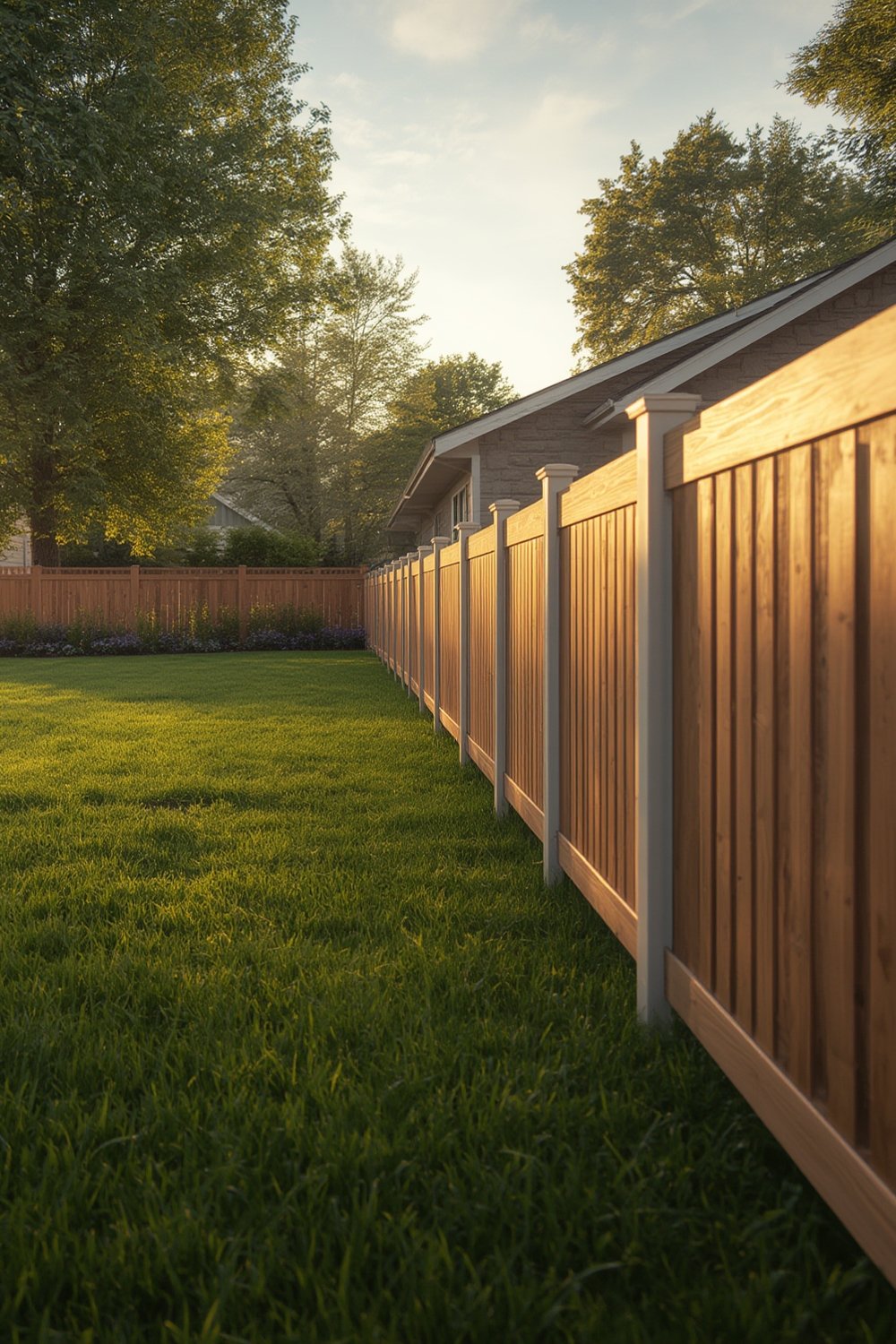
Let’s break down the three most common types of fencing by national averages for 2024-2026:
- Wood fencing: Expect $20–$50 per linear foot installed (cedar: $20–$40) including all labor and materials. A 150-200 foot project typically lands between $3,000–$8,000.
- Vinyl fencing: Install runs $15–$40 per linear foot for privacy; up to $60 for premium products (source), or $3,750–$10,000 for a mid-sized lot.
- Aluminum fencing: Standard jobs are $20–$45 per foot, but ornate or specialty installations can run up to $90/ft, with total cost from $3,550–$18,800 for a ¼-acre lot (reference).
Regional factors have a major impact, too. For example, Seattle, Los Angeles, and Boston all fetch higher average installation prices ($2,000–$6,750 per project) compared to St. Louis or Orlando ($1,600–$4,100). Local cost of living and labor shortages play a significant role. Read more about city-to-city pricing disparities.
Choosing the right fence isn’t just about looks—material and local conditions can make thousands of dollars difference in your final bill.
Want to see how fencing options compare to other outdoor upgrades? Explore our guides on landscape transformation and composite decking installation for a holistic backyard approach.
Step-by-Step Guide to Estimating Your Fence Installation Cost
Most homeowners underestimate the real price of new fencing. Here’s a step-by-step approach to building a realistic estimate—including all the “hidden” expenses.
-
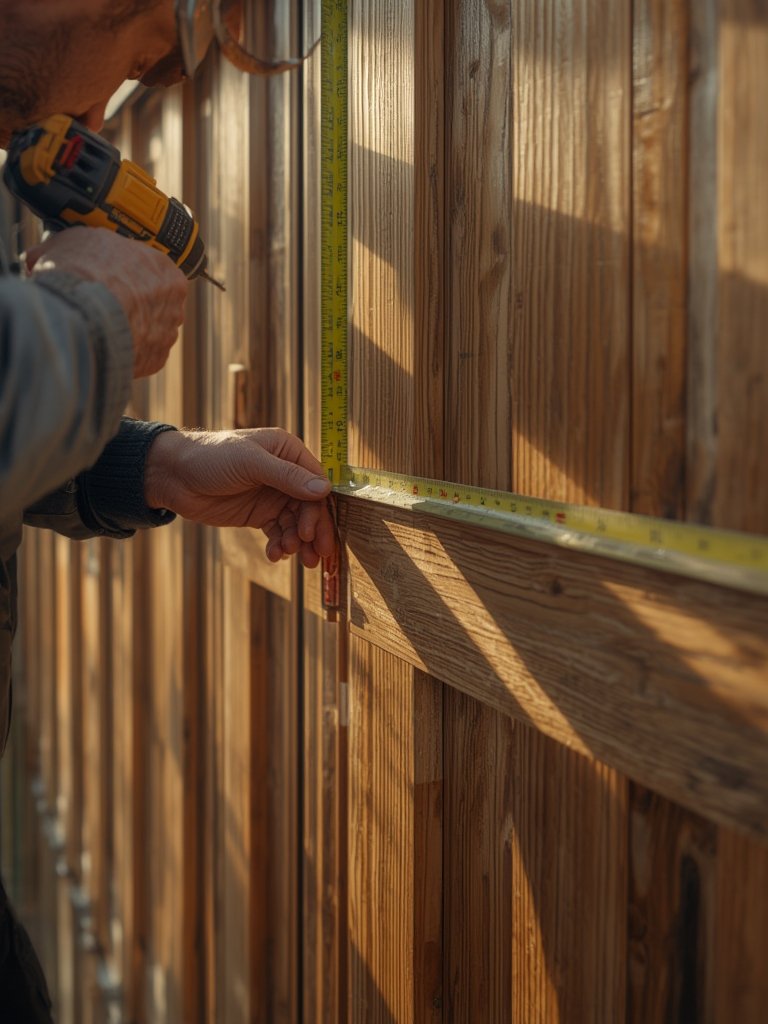
Measure Your Perimeter:
Accurately mark the boundaries to calculate total linear footage. Curves, slopes, and obstacles increase costs. Always round up to cover waste.
-
Pick Your Material:
Choose between wood, vinyl, or aluminum. Each material varies in price and durability. For a deeper dive, see our guide on landscaping services and how outdoor choices impact costs.
-
Calculate Labor vs. Materials:
Split your estimate: materials usually run $6–$20/foot, labor $14–$47/foot. Labor is higher for complex terrains, custom gates, or urban markets. According to this breakdown, labor can be over 50% of the total for specialty fences.
-
Include Site Preparation:
Is your yard flat, open, and free of trees? If not, budget 10–25% extra for grading, clearing stumps, or dealing with rocky soils. See our resource on outdoor terrain solutions.
-
Add Permit and Approval Fees:
Many cities require permits and inspections. Costs range from $50 to several hundred dollars, but are often omitted from contractor quotes. Allow extra time for HOA or municipal approvals, which can delay your project by weeks. Learn about navigating local permits in our ADU cost guide.
-
Account for Removal of Old Fencing:
If replacing an old fence, include demolition and haul-away expenses, typically $3–$5 per foot.
-
Add Permit and Approval Fees:
Many cities require permits and inspections. Costs range from $50 to several hundred dollars, but are often omitted from contractor quotes. Allow extra time for HOA or municipal approvals, which can delay your project by weeks. Learn about navigating local permits in our ADU cost guide.
-
Compare Long-Term Maintenance:
Wood demands frequent painting or sealing, vinyl needs minimal upkeep. Aluminum rarely rusts but can be dented. These factors add up over a decade. See next section for a comparison.
By breaking your project into these steps, you’ll avoid under-budgeting and select the right fence for your needs—and prevent regrets down the line.
Interested in other fast-growing home upgrades? See why EV charger installation at home is trending along with privacy fencing in suburban neighborhoods.
Advanced Analysis & Common Pitfalls
Many homeowners only consider “per foot” pricing when budgeting, but overlook several critical variables. Here’s what commonly trips people up:
- Underestimating Labor vs. Material: Labor may be 50–70% of your fence installation cost in high-wage regions. Complex layouts, slopes, or obstacles like trees quickly boost labor hours.
- Poor Site Preparation: Ignoring grade, roots, or rocks leads to surprise day-of costs. Site prep regularly adds 10–25%, especially in older neighborhoods.
- Skipping Permitting or Approvals: Delays from missing HOA or city approval can halt work for weeks, and retroactive permits are often pricier.
- Not Budgeting for Maintenance: Wood fencing, although cheap upfront, may cost much more in repainting, repairs, and eventual replacement.
- Misjudging Removal Costs: Hauling away an existing fence isn’t free—and contractors frequently bill this expense last minute.
Here’s a side-by-side comparison of average fence installation cost by material and region:
| Material | Average Cost per Foot | 150-200ft Project | Low-Cost City (Orlando) |
High-Cost City (Seattle) |
|---|---|---|---|---|
| Wood | $20–$50 | $3,000–$8,000 | $1,600–$4,250 | $2,300–$6,750 |
| Vinyl | $20–$60 | $3,750–$10,000 | $1,600–$4,250 | $2,300–$6,750 |
| Aluminum | $17–$90 | $3,550–$18,800* | $1,800–$4,100 | $2,300–$6,750 |
*Large, designer, or perimeter fences can exceed this range.
Cost overruns, weather delays, and slow approval can swamp even well-budgeted fencing projects. Don’t overlook the total cost of ownership: wood requires continual upkeep, and even “maintenance free” vinyl can develop mildew or cracks if impacted. For outdoor upgrades that are truly low-maintenance, compare with LVP flooring for patios or outdoor kitchens.
Conclusion
Estimating your fence installation cost isn’t just about material price per foot. For the true cost, factor in labor, permits, prep, and long-term maintenance. Always compare local bids and get transparent breakdowns to avoid surprises. If you want a backyard upgrade with strong ROI, and your own privacy oasis, taking a strategic approach to the fence installation cost is essential—so you can build smarter, not just cheaper.
Ready to move forward? Start by measuring your yard and requesting detailed quotes. Want advice from real experts? Explore our guides to professional landscaping, or browse home improvement stores near you for material options today.
FAQ
What is the average fence installation cost per foot in 2024?
In 2024, most homeowners pay between $20–$50 per linear foot for wood, $20–$60 per foot for vinyl, and $20–$90 per foot for aluminum—depending on material quality and location. For a 150ft privacy fence, expect total costs of $3,000–$10,000.
Why do fence installation costs vary so much by region?
Labor rates, cost of living, and regional supply/demand drive the biggest differences. For example, fencing projects in Seattle or Boston are often $1,000+ more expensive than in St. Louis or Orlando, independent of material choice.
What hidden costs should I watch for when installing a new fence?
Site prep (grading, clearing roots), permit fees, and removal of old fencing are often overlooked. Confirm in writing whether your installer handles permits and debris haul-away to avoid last minute upcharges.
Is wood fencing actually cheaper than vinyl or aluminum over time?
Wood fences are usually cheapest to install but require ongoing maintenance—painting, sealing, and repairs—that add up over a decade. Vinyl and aluminum cost more upfront but are typically far lower maintenance in the long run.
Do I really need a permit for residential fence installation?
Most cities require permits for fencing over a certain height or on property lines, and HOAs may impose additional rules. Always verify requirements before starting, as illegal construction can mean costly delays or do-overs.
—
