


Home elevator installation is rapidly becoming a mainstream home upgrade as US homeowners look for safety, accessibility, and future resale value—especially in multi-level homes and for aging populations. Done right, it adds convenience and independence. Done poorly, it can lead to surprises, regulatory headaches, or expensive maintenance later.
Key Takeaways
- The US home elevator market is growing fast, driven by aging demographics, demand for accessibility, and changing real estate trends.
- Installation and maintenance costs remain the steepest hurdle, with ongoing service a significant commitment.
- Pneumatic vacuum elevators are modernizing the segment, but practical home integration requires careful planning to avoid pitfalls.
- Understanding Home Elevator Installation
- Step-by-Step Guide to Home Elevator Installation
- Advanced Analysis & Common Pitfalls
- Conclusion
- FAQ
Understanding Home Elevator Installation
Installing a home elevator is no longer just a luxury reserved for mansion owners. The demand for residential elevators in the US surged to a market value of $10.4 billion in 2024, with experts projecting 4.9% yearly growth through 2030 due to aging populations and more multi-story homes [source]. Pneumatic vacuum elevators, known for compact installs and lower structural requirements, are gaining traction alongside traditional hydraulic and cable-driven models.
The real driver is increased accessibility—whether for elderly homeowners, mobility-challenged family members, or simply future-proofing a property. A well-planned installation improves everyday quality of life, helps retain home value, and modernizes your space. But navigating code requirements, cost ranges, technical specs, and ongoing service is essential—oversights here often lead to delays and big price increases.

Step-by-Step Guide to Home Elevator Installation
- Assess Your Needs and Feasibility
- Is accessibility the goal, or future-proofing?
- What floor plan do you have—open, multi-level, or space-constrained?
- What is your budget and timeline?
- Choose the Right Elevator Type
- Pneumatic vacuum elevators: Require a smaller footprint, minimal structural change—ideal for retrofitting.
- Hydraulic elevators: Smooth ride but need a pit and machine room, increasing install complexity.
- Cable-driven elevators: Traditional style, but typically demand the most shaft space and potential wall modifications.
- Consult a Licensed Elevator Contractor
- Request a home evaluation and get a written proposal.
- Ask for references, proof of insurance, and detailed breakdowns of the process and cost.
- If you’re also improving other parts of your home, consider combining with projects like bathroom renovation to minimize future disruptions.
- Check Local Regulations and Permits
- Home elevators nearly always require local permits and compliance with safety codes.
- Ask your contractor about who’ll handle permitting; get documentation.
- Factor in potential delays caused by inspections and approvals.
- Prepare Space and Utilities
- Plan for electrical upgrades or plumbing adaptation (for hydraulic units).
- Expect structural work: wall reinforcement, cutting floors, and framing.
- Protect the rest of your home from dust and disruption—contractors can provide temporary barriers.
- Installation and Testing
- Most two-story pneumatic units install in less than a week after permitting; hydraulic/cable models may take two weeks or more.
- After final install, rigorous safety tests and code compliance/inspections are mandatory before use.
- Plan for Ongoing Maintenance
- Most elevators require yearly safety checks and maintenance contracts; skipping these voids warranties and puts users at risk [source].
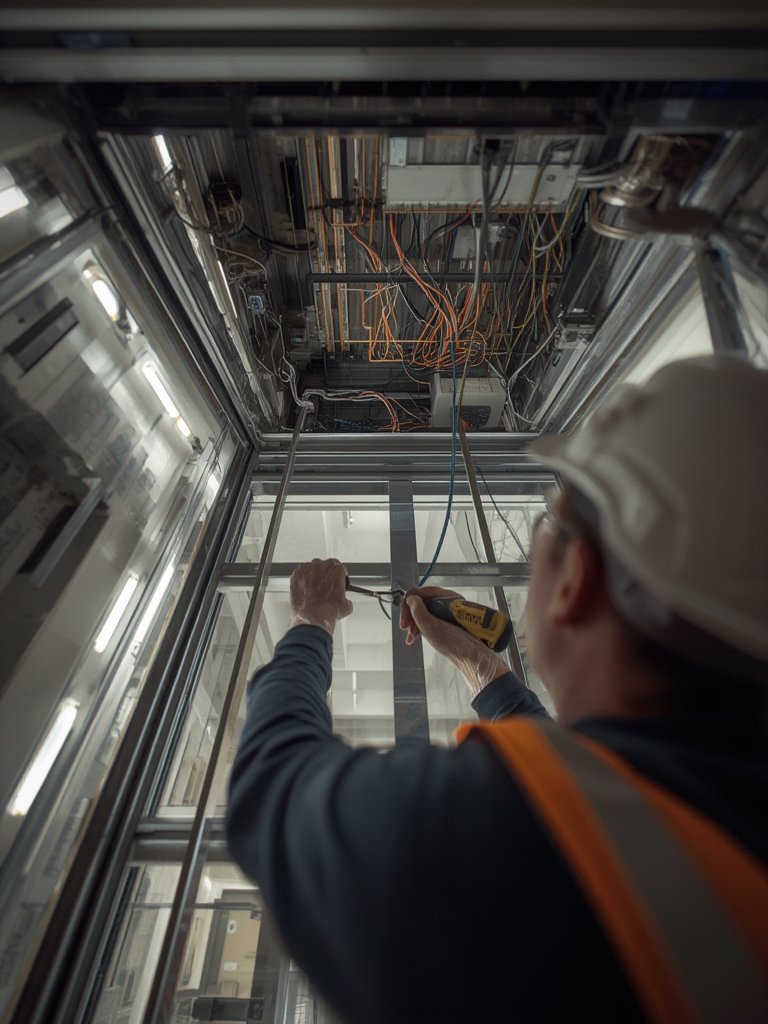
Advanced Analysis & Common Pitfalls
While demand for home elevators is booming—especially in regions like the Northeast and fast-growing South [source]—many homeowners underestimate costs, ongoing maintenance, and integration challenges:
| Aspect | Pneumatic Vacuum Elevator | Hydraulic/Cable Elevator |
|---|---|---|
| Shaft Requirements | Minimal, self-contained tube | Shaft and pit required |
| Typical Install Duration | 3-5 days (after permitting) | 7-14 days |
| Space Needed | ~36″ diameter | ~48″ x 48″ shaft or larger |
| Structural Changes | Few, often free-standing | Major: framing/floor cuts |
| Yearly Maintenance | Required, but simpler | Required, potentially higher cost |
- High total costs: Even the simplest pneumatic units typically require at least $30,000 installed, while hydraulic and cable-driven models often exceed $40,000 after structural work. Ongoing maintenance contracts are not optional—neglecting them leads to breakdowns, voids warranties, and could pose a safety risk.
- No transparency on surprise fees: Permit costs, unexpected electrical upgrades, or repairs to finishes all add up. Ask for a line-item contract to avoid surprises.
- Code and permitting delays: Local inspection schedules and code corrections can add weeks to a timeline. Contractors often underestimate permit lead times—always ask for realistic timeframes based on previous projects.
- Space miscalculations: Many installers will quote minimum shaft sizes, but real-world installs often require more space for clearances, controls, and access. Always allow for a margin over the bare minimum specification.
- Integration with older homes: Retrofitting into century-old or historically significant homes can be complex. Structure reinforcing, dust/debris, electrical changes, and architectural review might be necessary. Consider consulting a local architect or integration specialist.
If you are improving your home elsewhere—like adding solar panels or upgrading HVAC—use the same general contractors to streamline inspections and minimize downtime.
Review additional smart home elements, such as smart home installation, to future-proof usability, safety, and long-term value.

Conclusion
An investment in home elevator installation grows with you—supporting mobility, adding value, and enhancing quality of life. The biggest rewards come from educated planning: know the type you need, prepare for structural and regulatory steps, and budget for professional maintenance. By taking the time to compare options and understand the real-world challenges, you ensure that your home elevator installation is a true benefit—not a future headache. Ready to take the next step? Connect with local contractors and request a home survey to start your journey toward long-term accessibility and value.
FAQ
How much does it cost to install a home elevator in a two-story house?
Installation costs for residential elevators frequently range from $30,000 to $50,000 and up, depending on the type (pneumatic, hydraulic, cable-driven), home layout, and required structural changes. Ongoing maintenance and permit fees add to the total investment.
Can a home elevator be installed in an existing house, or is it just for new builds?
Both new builds and existing houses can accommodate elevators. Pneumatic vacuum units are the best choice for retrofits in many cases, since they need less structural work. Conventional hydraulic or cable models may require more extensive modifications.
What permits and approvals are needed for home elevator installation?
Most US locales require building permits, electrical permits, and post-installation inspections for home elevators. Your licensed contractor should handle the submission and scheduling, but you must confirm everything is documented for compliance and future resale.
What are the maintenance requirements and costs?
Annual professional inspections are essential and often required for warranty coverage. Costs vary, but typical contracts range from $500 to $1,500 per year depending on elevator type and region. Skipping routine service can be dangerous and reduce long-term reliability.
Are there financing options or tax credits for home elevator installations?
Some contractors offer financing plans. While home elevators are not typically eligible for general federal tax credits, certain accessibility upgrades may qualify for state or local incentives. Check with your local authority and ask your installer for referrals to relevant programs.
