


Recessed lighting installation cost is a top consideration for homeowners planning lighting upgrades in 2024. The right lighting transforms spaces and impacts your budget, so understanding price ranges, challenges, and cost-saving strategies is essential for smart renovations.
Key Takeaways
- Average recessed lighting installation cost in 2024 ranges from $100 to $300 per fixture, with project totals running $800–$2,500 for a standard room.
- LED recessed lights cost more initially but save energy and maintenance over time compared to incandescent or CFL options.
- Retrofit projects, high ceilings, or switching from ceiling fans to recessed lighting increase installation costs and complexity.
- Recessed Lighting Installation Cost: The Core Concept
- Step-by-Step Guide: How to Estimate and Control Your Costs
- Advanced Analysis and Common Pitfalls
- Conclusion
- Frequently Asked Questions
Recessed Lighting Installation Cost: The Core Concept
Recessed lighting, sometimes called “can lights,” creates a modern, seamless look with fixtures installed directly inside the ceiling. In 2024, the typical recessed lighting installation cost is between $100 and $300 per fixture, including both materials and professional labor. The price depends on your home’s layout, fixture type, ceiling condition, and project complexity. Expect total costs for a midsized room to land between $800 and $2,500, with higher-end projects or complex retrofits costing more.
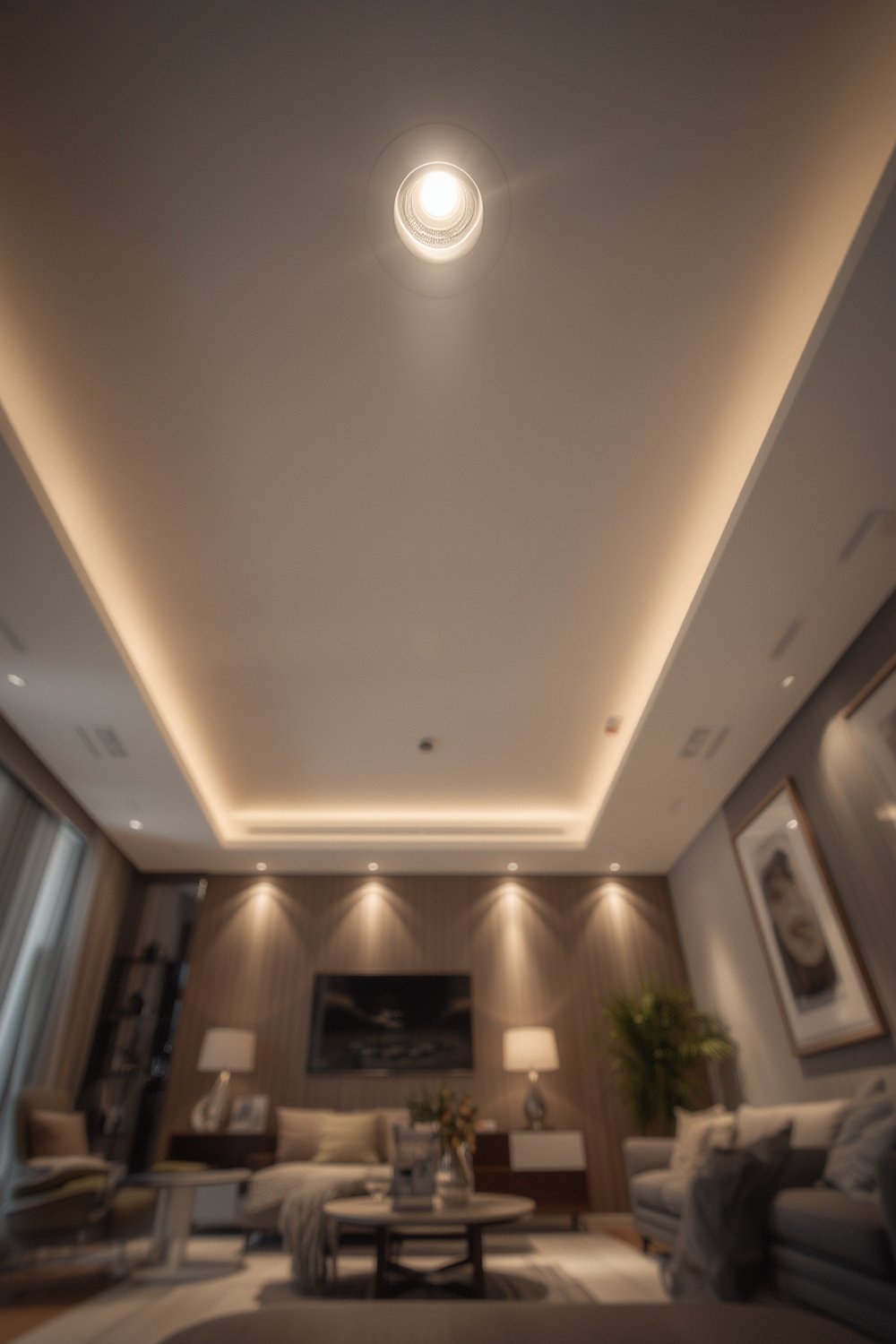
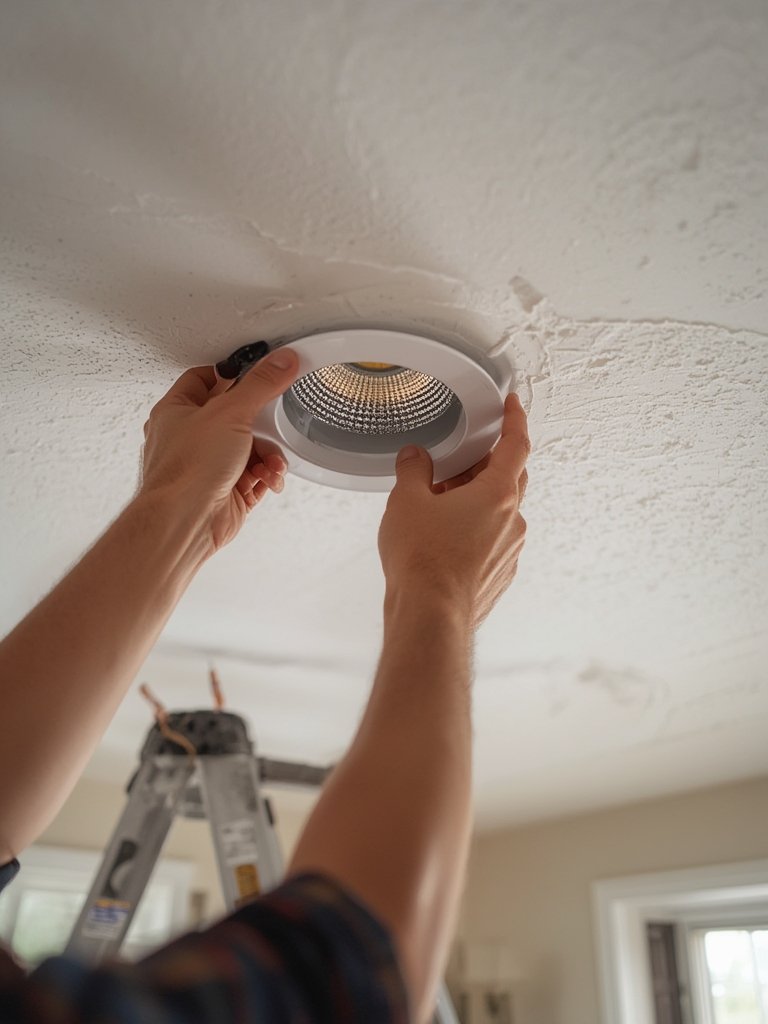
Most modern installs now use efficient LED fixtures. Retrofitting older homes or switching from a ceiling fan—especially with high ceilings—usually increases labor time and materials. Outdoor, wet-rated, dimmable, or smart-compatible fixtures also cost more.
For a deeper dive into comprehensive home improvements, explore our Bathroom Renovation 2025 Guide or see how Lowe’s became a leading home improvement store.
Step-by-Step Guide: How to Estimate and Control Your Costs
-
Assess Room Size and Lighting Needs
Measure your space and determine how many recessed fixtures are needed. For example, a 12×12 bedroom typically needs 4–6 lights, while a 16×20 living room may require up to 10. Under-lighting means dark spots, while over-lighting wastes money and can cause glare. -
Select Fixture Type and Bulb Technology
LED is the new standard, offering lasting efficiency ($5–$41 per bulb included in fixture price). Choose IC-rated if your ceiling is insulated, pick canless LED fixtures for shallow spaces, and opt for wet-rated lights outdoors. -
Decide Between New Construction or Retrofit
Installing in new ceilings is cheaper ($125–$250 per light), while retrofitting older homes costs around 30% more ($200–$400 per light) due to preservation challenges. -
Factor in Labor and Permits
Labor rates average $75–$250 per fixture. Permits and inspections usually cost $50–$250 but are required for code and safety. -
Calculate Total Project Cost
Multiply fixtures needed by per-fixture price, then include wiring upgrades, removal of ceiling fans (if swapping), and controls like dimmers or smart switches. -
Get Multiple Quotes
Contact licensed electricians for estimates tailored to your home’s needs and complexity. -
Budget for Contingencies
Complex installs, high ceilings, and limited attic access often lead to unexpected costs.
For outdoor areas, outdoor kitchen projects or patios, opt for wet-rated or weatherproof fixtures. If you’re doing extensive upgrades, including smart home integration, see our guide on smart home installation service to streamline your wiring strategy.
Advanced Analysis and Common Pitfalls
What Drives Up Costs?
- Retrofitting Old Ceilings: 30% more expensive than new construction due to careful demolition and ceiling patching. See Angi’s breakdown for typical scenarios.
- High Ceilings or Limited Attic Access: Extra labor and scaffolding drive prices from $163 up to $530 per fixture.
- Outdoor & Specialty Installations: Wet-rated or weatherproof fixtures are pricier. Outdoor soffit or deck installs run $200–$500 per light.
- Switching from Ceiling Fan: Additional cost for removal, patching and re-wiring, and circuit changes. Basic wiring is $0.16–$1.63 per foot, but upgrades may be needed.
- Permits and Inspections: Essential for electrical code compliance, but can add $50–$250 per project.
Most Common Mistakes and Complaints
- Underbudgeting Retrofits: Surprises like old wiring, insulation issues, or damaged drywall escalate costs.
- Ignoring Lighting Layout: Too few fixtures create dark corners, while too many cause glare and wasted money.
- Skipping Permits: Leads to non-compliance, safety hazards, or fines—always check local rules.
- DIY Without Experience: May save $50–$130 per light but risks improper wiring or unsafe installs. For comparison, explore our related coverage on roof replacement costs in 2025 to understand project planning and budgeting strategies.
- Cheap Fixtures: Low-end recessed lights can flicker or fail early, demanding expensive repairs later.
Table: Ceiling Fan vs. Recessed Lighting
| Option | Pros | Cons |
|---|---|---|
| Ceiling Fan | Provides airflow; cooling in summer; built-in light kit possible | Removal costs extra; not as modern; may require patching and re-wiring to switch to recessed lighting |
| Recessed Lighting | Modern, streamlined look; even room illumination; dimmable and smart options available | Higher install cost ($100–$500 per light); more wiring complexity; not suitable for all ceilings |
Room Lighting Recommendations (By Size and Function)
- 12×12 bedroom: 4–6 recessed lights
- 16×20 living room: 8–10 lights
- Small bathrooms/hallways: 2–4 lights
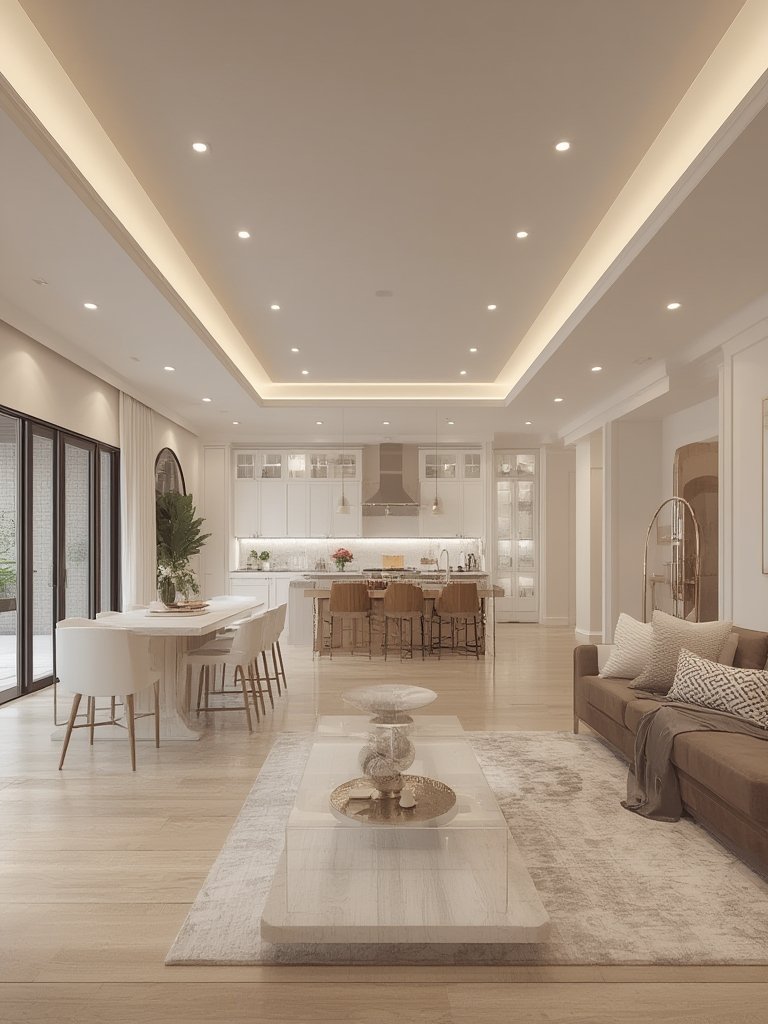
- Large kitchen or open-plan: 6–10 lights or more
Larger projects benefit from economies of scale—cost per fixture drops for whole-home upgrades. For more savings tips on efficiency, see our energy efficient HVAC upgrade guide.
What Top-Ranking Articles Miss
- No state or city-specific recessed lighting installation cost breakdowns—regional price variations remain unclear.
- Few long-term ROI comparisons: no easy 5–10 year cost-benefit analysis for LED vs. incandescent/CFL, though LEDs are strongly favored for efficiency (see details).
- No meaningful aggregation of user complaints like flickering, light “scalloping,” or uneven brightness. This is a substantial gap.
For room upgrades involving both lighting and flooring, check our LVP flooring installation guide for paired budget strategies.
Conclusion
The 2024 average recessed lighting installation cost is $100 to $300 per fixture, but your actual spend depends on project size, room function, wiring needs, and local labor rates. LED fixtures dominate thanks to long-term efficiency, but retrofits, fan removal, or complex layouts drive costs up. Always get multiple quotes and budget for the unexpected. For smart upgrades and more home project resources, explore our growing collection.
Ready to illuminate your home? Start comparing installer quotes to get accurate recessed lighting installation cost estimates and bring your project to life.
Frequently Asked Questions
What is the average cost to install recessed lighting in 2024?
Most homeowners pay $100 to $300 per fixture, with nationwide averages around $180 per light. Project totals for a typical living room or bedroom run $800–$2,500, depending on room size and ceiling access.
Do LED recessed lights really save money over time?
Yes. LED bulbs cost more up front but last longer and use much less energy than incandescent or CFL, so you save on electricity and bulb replacement long-term.
Can I install recessed lighting myself to save money?
DIY is possible for single light replacements ($50–$130 per light), but whole-room installs require electrical knowledge and local permits. Mistakes can lead to costly repairs or safety issues. For larger projects, hiring a licensed electrician is strongly recommended.
How many recessed lights do I need per room?
The typical 12×12 bedroom uses 4–6 lights; a 16×20 living room needs 8–10 for even coverage. Your layout and desired brightness will affect the count.
What factors increase recessed lighting installation cost?
Retrofits, high ceilings, adding new circuits, switching from ceiling fans, or installing weatherproof fixtures outdoors all increase costs. Getting several quotes can reveal price differences and savings opportunities.
